
Nishtar Medical University

ward 19

Paeds Medicine(Ward # 19)

Clinical Departments

Paeds Medicine

INTRODUCTION

The Department of Pediatric Medicine (Unit I) at Nishtar Medical University &
Hospital, Multan, is a leading center dedicated to the care, education, and research
in child health. The unit provides comprehensive medical services to infants,
children, and adolescents, focusing on both preventive and curative pediatrics.
Under the guidance of highly qualified and experienced faculty members, the unit
manages a wide range of pediatric illnesses through its outpatient, inpatient, and
emergency services. The department
also plays a vital role in the academic
training of undergraduate and
postgraduate medical students,
including FCPS, MD, and DCH
trainees.
Pediatric Medicine Unit I is committed
to excellence in patient care, clinical
teaching, and research, ensuring that
every child receives compassionate,
evidence-based, and high-quality medical attention

Controller of examination Nishtar Medical University
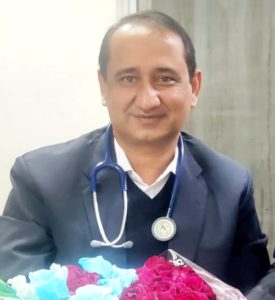
Prof. Dr. Azam khan Dean of medicine and Allied Specialities Chairman and head of deptt of paediatrics NMU & Hospital Multan

GOALS AND OBJECTIVES
Mission Statement
To train competent, ethical, and compassionate pediatrician through evidence-based education, patient
centred care, clinical research, and lifelong learning — serving the healthcare needs of our society and
advancing the standards of medicine in Pakistan.
Programme Learning Objectives (PLOs)
1.
Clinical Competence:
To equip postgraduate trainees with advanced medical knowledge, diagnostic and practical skills
in internal medicine for independent and safe patient care.
2.
Professionalism and Ethics:
To exhibit empathy and ethical behaviour in academics, clinical practice and research.
3.
Research and Innovation:
To promote a culture of research, innovation, and critical thinking relevant to local and global health
challenges.
4.
Teaching and Leadership:
To develop teaching skills and leadership qualities to prepare future mentors and healthcare
leaders.
5.
Communication and Teamwork:
To strengthen communication skills for effective interaction with patients, families, and
multidisciplinary teams.
6.
Continuous Professional Development:
To instill habits of self-assessment and lifelong learning for continuous improvement in medical
knowledge and practice

ActionTime FrameResponsibilityResourcesMonitoring and Evaluation (KPIs)
1. Strengthen Clinical Training• Conduct regular grand rounds for case-based learning.• Assign emergency and outpatient duties to increase exposure to acute and outpatient cases.• Implement structured subspecialty rotations with clearly defined learning objectives.4 yearsFacultyHuman resourcesUse of DOPS and Mini-CEX for formative assessment and feedback
2. Professionalism• Encourage trainees to learn ethics and professionalism by role modelling.• Conduct annual workshops on professionalism.2 yearsFacultyFinancial + Human resourcesUse of DOPS etc. for formative assessment and feedback
3. Research Capacity Building• Conduct research methodology workshops annually to enhance research skills.• Facilitate timely IRB approvals.• Encourage residents for publication in recognized journals and participation in national conferences.2 yearsSupervisorFinancial resourcesNumber of workshops; Certificate of IRB-approved projects; Publications and presentations logged
4. Academic Development• Arrange monthly topic presentations, journal clubs, and CPCs to promote critical thinking.• Engage residents in teaching undergraduates to develop teaching skills.• Hold mortality meetings and clinical audits monthly to improve clinical care and outcomes.4 yearsSupervisor and other facultyHuman + Financial resourcesParticipation records; Peer & student feedback; Audit reports
5. Communication Skills• Conduct communication skills workshop at least once during the training period.• Encourage teamwork and collaboration among trainees.2 yearsFaculty and SupervisorFeedback forms; Peer and faculty evaluation of teamwork & communication

Programme Outcomes (POs)
After 4 years of completion of the MD programme or 2 years of DCH programme successful completion
the postgraduate trainee will be able to:
1.
Diagnose and Manage:
Independently diagnose and manage a wide spectrum of acute and chronic medical conditions with
appropriate use of diagnostic tools and therapeutic interventions.
\
2.
Demonstrate Professionalism:
Exhibit ethical and professional behaviour in clinical, academic, and research settings.
3.
Conduct and Present Research:
Design, conduct, and defend clinical research with understanding of biostatistics and medical writing.
4.
Teach and Train:
Deliver structured teaching sessions and bedside instructions to undergraduates and junior colleagues.
5.
Communicate Effectively:
Communicate clearly and empathetically with patients, caregivers, and peers, respecting sociocultural
sensitivities.
6.
Engage in CPD:
Participate in continuous professional development (CPD) and quality improvement.
Future Plan
1. Infrastructure Expansion

Neonatal ICU (NICU) & Pediatric ICU (PICU) Expansion: Increasing the capacity to handle
more critical pediatric cases.

Additional Pediatric Beds: Due to the high number of child patients, more beds should be
added to accommodate them.
2. Advanced Medical Equipment


issues.
Ventilators & Incubators: Enhancing neonatal care with modern ventilators and incubators.
Pediatric Dialysis Unit: Expanding a dedicated dialysis unit for children with kidney-related
3. Specialist Doctors & Training

Introduction of Pediatric Subspecialties: Such as Pediatric Neurology, Pediatric
gastroenterology, and Pediatric emergency medicine etc .

Training for Doctors & Nurses: Conducting workshops and training sessions for better
pediatric care.
4. Digital Health & Management

Electronic Medical Records (EMR): Implementing computerized records to track children’s
medical history efficiently.

Telemedicine Facilities: Enabling remote consultation with specialists for patients from far
f
lung areas.
5. Mother & Child Health Programs enhancement


children
Free Vaccination Camps: Ensuring all children receive necessary immunizations.
Nutrition & Malnutrition Awareness Programs: Special diet programs for malnourished
6. Collaboration with Government Support

Funding & Grants: Seeking government support for better pediatric care

Serial noNameDesignationQualification
1Dr. Maria saleemAssociate professorFCPS (paediatric medicine)
2Dr. Amna wajdanAssociate professorFCPS (paediatric medicine)
3Dr Sulaiman sheikhAssisstant professorFCPS(paediatric medicine)
4Dr. saima Jabeen JoiyaAssisstant professorFCPS (pediatrics)
FCPS(paediatric Gastroentrology & hepatology & nutrition)
5Dr Afaq Hussain ChishtiAssisstant professor (Neonatology)FCPS (paediatrics medicine ), FCPS (Neonatal Paediatrics)
6Dr. Ibrar hussainAssisstant professorFCPS(pediatric medicine)

Routine assignments


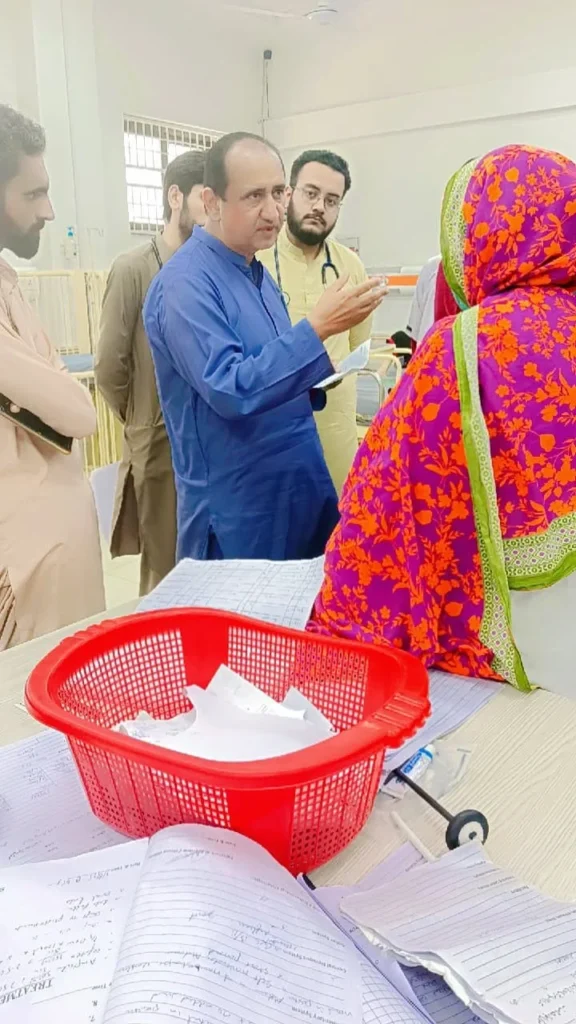
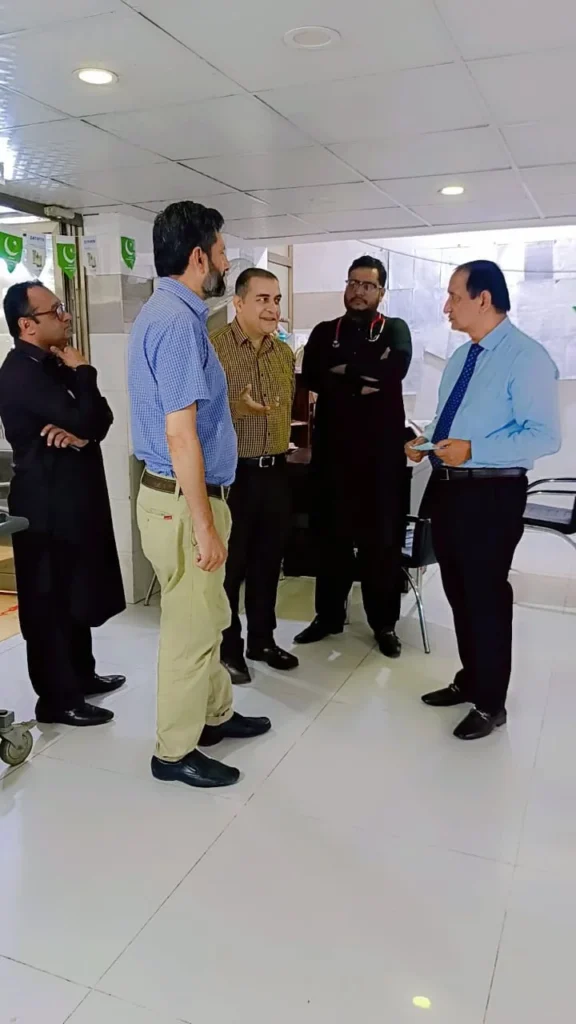
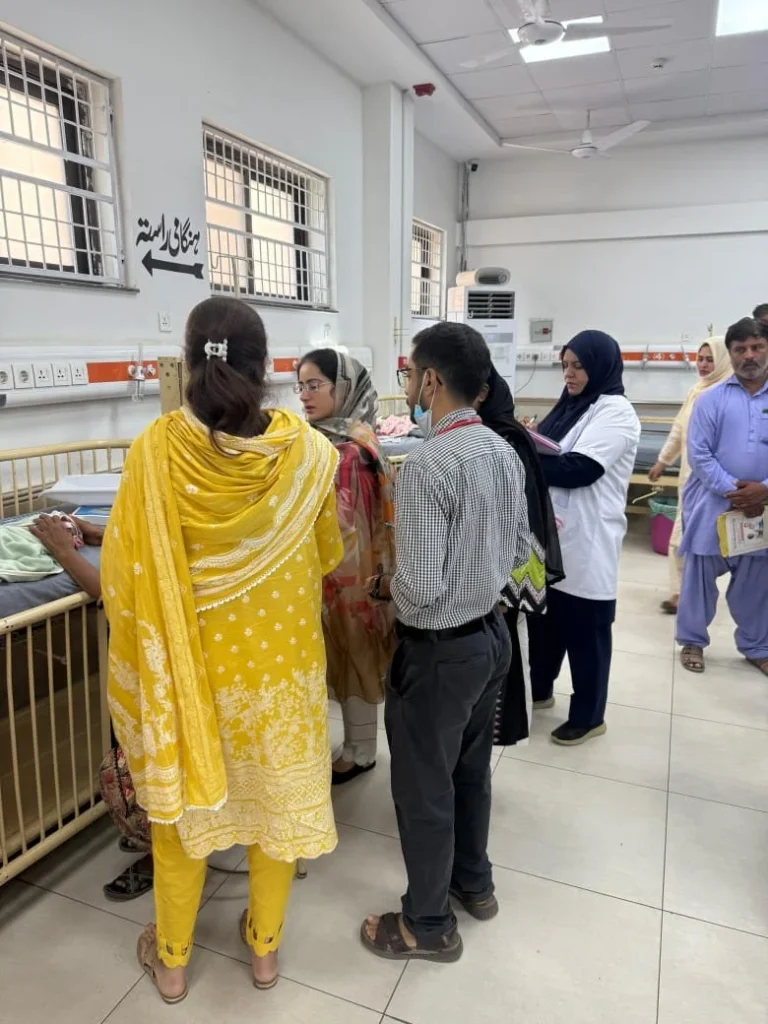
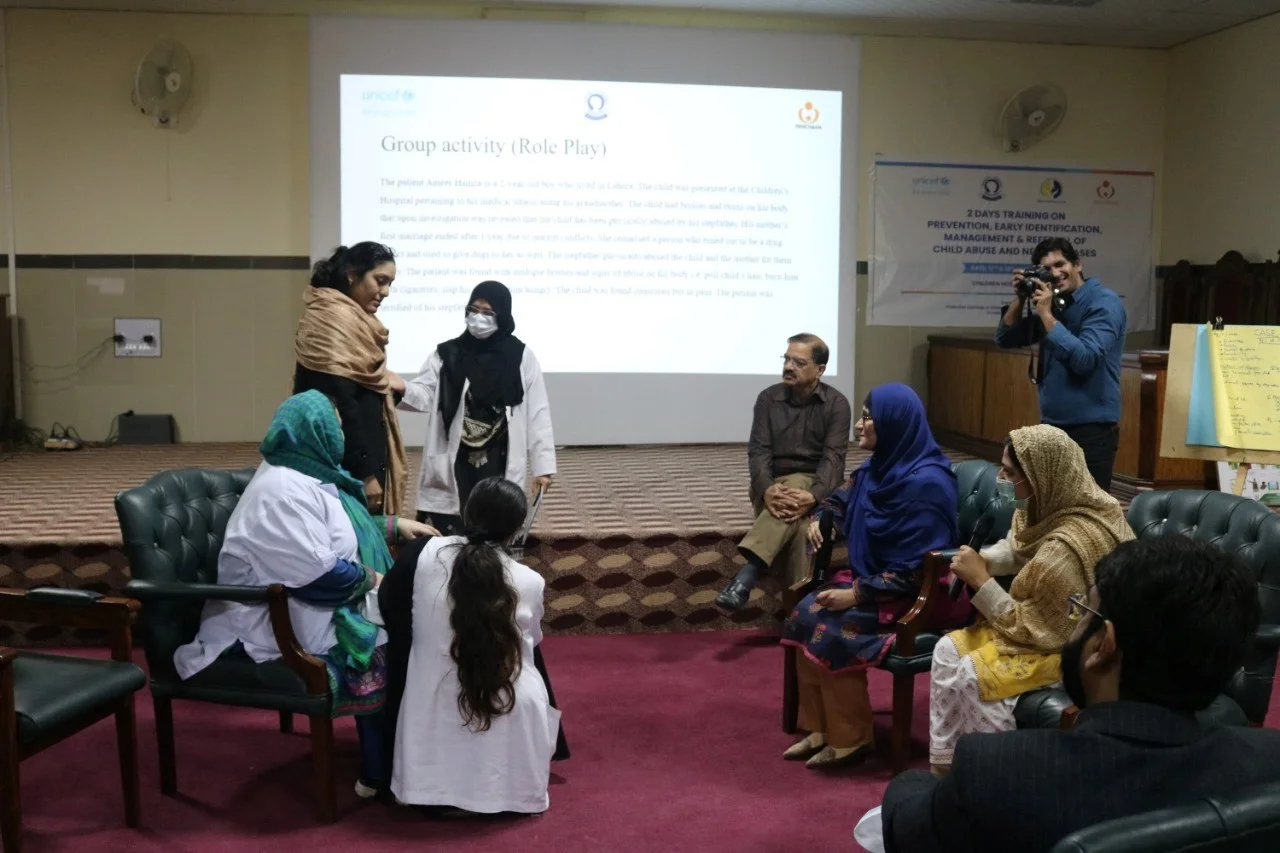
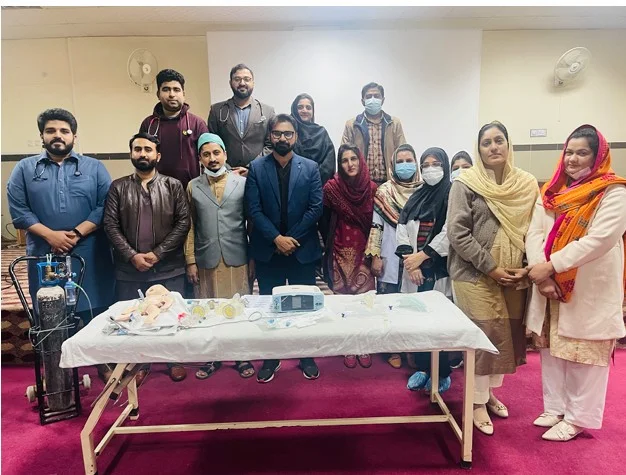
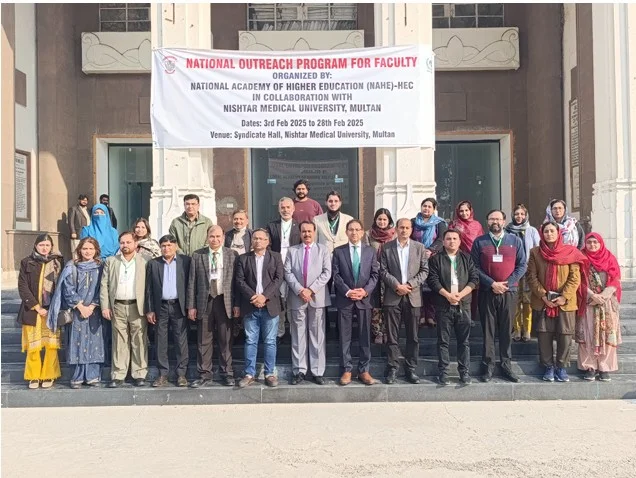
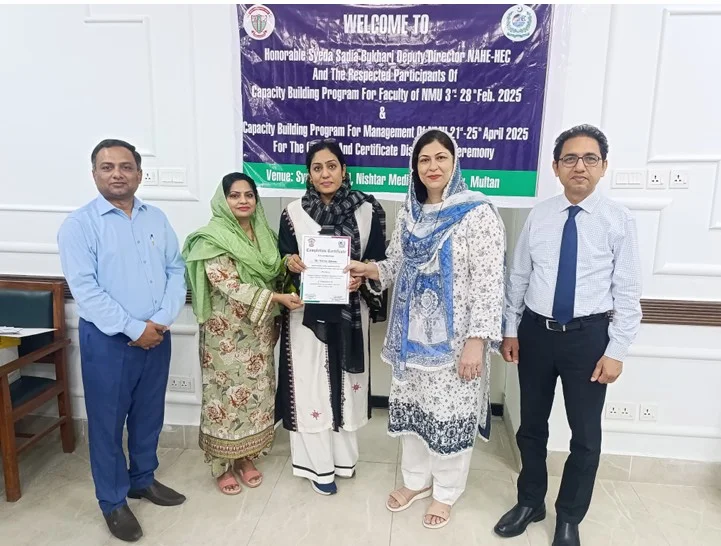
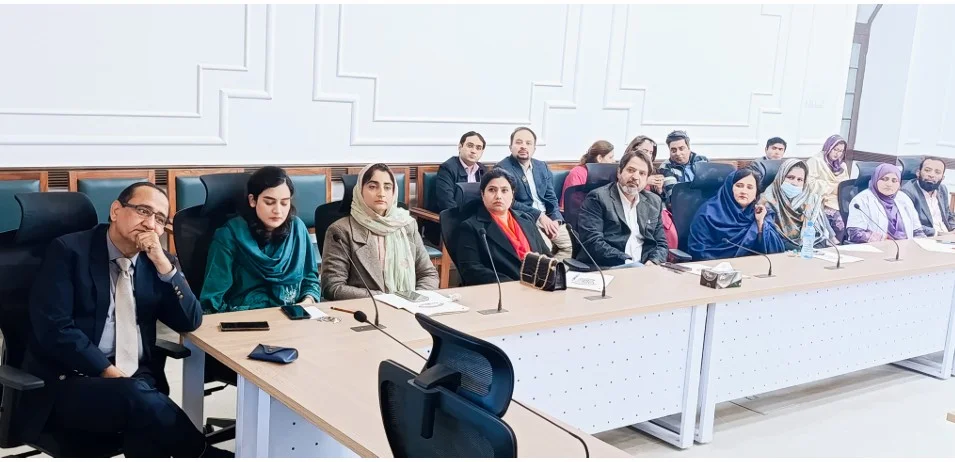
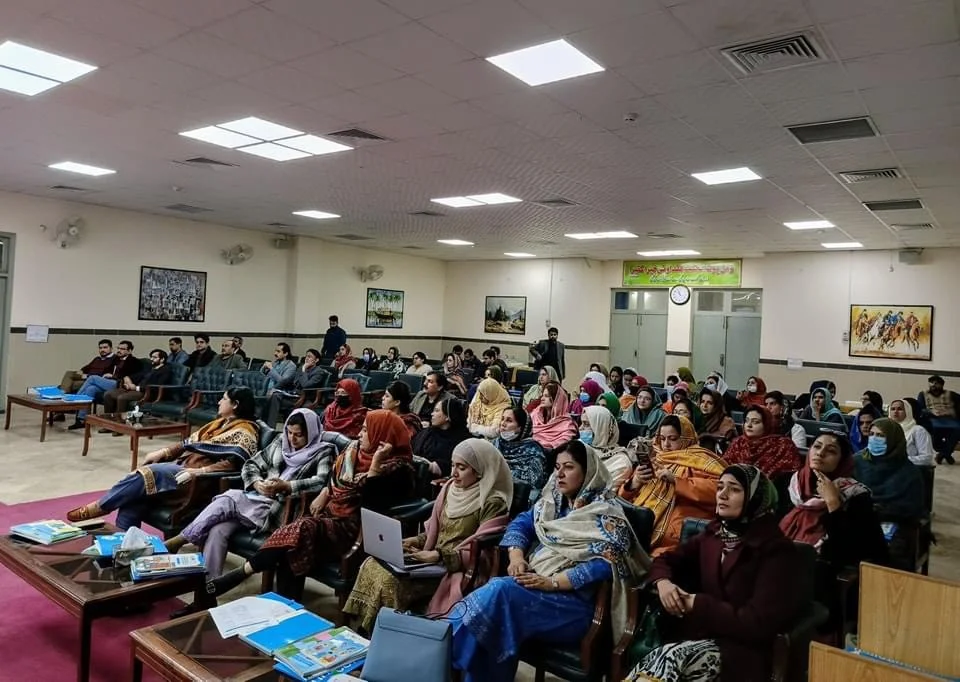
EDUCATIONAL ACTIVITIES (with pics
 

Research Work

S#TopicPublished InReference
1To Determine The Frequency of Necrotizing Enterocolitis in Pre-Term InfantsPakistan Journal of Medical & Health SciencesPg. 3200, Vol 15, Dec 2021
2To Determine The Frequency of Intraventricular Hemorrhage among Pre-Term Neonates at a Tertiary Care HospitalPakistan Journal of Medical & Health SciencesPg. 786, Vol 14, Oct–Dec 2020
3Hypothyroidism in Children with Celiac Disease: A Study at Tertiary Care HospitalPakistan Journal of Medical & Health SciencesPg. 81, Vol 15, Jan 2021
4Frequency of Serum Electrolyte Derangement among Children having Acute Diarrhea and Dehydration at a Tertiary Care HospitalPakistan Journal of Medical & Health SciencesPg. 83, Vol 15, Jan 2021
5Risk Factors & Acute Complications of Small for Gestational Age Term NewbornsPakistan Journal of Medical & Health SciencesPg. 299, Vol 9, Jan–Mar 2015
6Polymerase Chain Reaction in Clinically Suggestive Tuberculosis MeningitisPakistan Journal of Medical & Health SciencesPg. 874, Vol 8, Oct–Dec 2014
7Hypomagnesaemia Among Children at Pediatric Intensive Care Unit, Nishtar Hospital MultanThe Professional Medical JournalVol 27, No 3, March 2020
8Risk Factors of Perinatal Asphyxia at Nishtar Hospital MultanThe Professional Medical JournalVol 27, No 3, March 2020
9Hyponatremia in Children Hospitalized at Nishtar Hospital, MultanThe Professional Medical JournalVol 27, No 5, 2020
10Comparison of Outcome of Salbutamol Alone and Salbutamol in Combination with Ipratropium Bromide in Acute Asthma in ChildrenThe Professional Medical JournalVol 27, No 6, 2020
11Outcome of Acute Peritoneal Dialysis (APD) in Renal Failure among Children Admitted at Children’s Hospital and Institute of Child Health, MultanThe Professional Medical JournalVol 27, No 8, 2020
12Frequency of Meningitis in Newborns Presenting with SepsisMedforumVol 25, No 9, Sep 2014
13Clinical Presentation and Etiological Agents of UTI in ChildrenMedforumVol 25, No 9, Sep 2014
14Resistant Edema in Nephrotic Syndrome – Best Treatment OptionThe Professional Medical JournalVol 13, No 4, Dec 2006
15Neonatal Resuscitation Programs and Birth Asphyxia – The Actual SituationThe Professional Medical JournalVol 20, No 1, Jan–Feb 2013
16Iron Deficiency under One Year of AgeThe Professional Medical JournalVol 12, No 2, April–June 2005
17Clinical Study of Nephrotic SyndromeThe Professional Medical JournalVol 12, No 1, Jan–Mar 2005
18Birth Asphyxia Risk FactorsThe Professional Medical JournalVol 11, No 4, Oct–Dec 2004

State-of-the-Art Pediatric Ward Services
1. Clinical Care Services
a. General Pediatric Inpatient Care
Management of all common pediatric illnesses (pneumonia, meningitis, gastroenteritis, sepsis,
asthma, etc.)
Age-segregated cubicles: Neonates, infants, toddlers, older children
Isolation rooms for infectious cases (with negative pressure ventilation)
b. High Dependency Unit (HDU) / Step-down Unit
For children requiring close monitoring but not full ICU support
Continuous pulse oximetry, cardiac monitoring, and staff ratio 1:2
c. Pediatric Intensive Care Unit (PICU)
Ventilator support (invasive and non-invasive)
Infusion pumps, syringe drivers, bedside ultrasound
24/7 availability of trained pediatric intensivist
d. Neonatal Intensive Care Unit (NICU)
Incubators, radiant warmers, CPAP, mechanical ventilators
Facilities for TPN, phototherapy, exchange transfusion