
Unit# III
Gynacology Department
- Gynae Unit# I
- Gynae Unit# II
Ward 18
Vision
To build a vibrant, compassionate, and academically strong department that not only excels in clinical outcomes but also becomes a hub of inspiration and innovation for future generations of obstetricians and gynaecologists.
Mission
“Our mission is to provide Master of Surgery (MS) students with advanced surgical knowledge, technical proficiency, and critical thinking skills necessary for excellence in clinical practice and research. Through rigorous training, evidence-based education, and hand-on experience, we aim to develop skilled, ethical, and compassionate surgeons who are committed to lifelong learning, surgical innovation, and improving patient outcomes.”

PROF. Saima Ahraf Head of Gynae Unit-III
GOALS AND OBJECTIVES
Aspire to create an environment where learning is passionate, research is purposeful, and patient care is holistic — grounded in empathy, ethics, and excellence.
I envision sub-specialty units — high-risk pregnancy, infertility, Gynae oncology, and urogynaecology — growing under strong mentorship and teamwork.
Our department should be known not just for its outcomes, but for its unity, professionalism, and human touch.
Cultivate a culture of mentorship, where senior and junior faculty learn from one another.
Encourage academic visibility through conferences, workshops, and collaborative research.
For My Trainees our aim is to provide
Structured training and simulation-based learning to strengthen their clinical confidence.
Regular academic discussions, case reviews, and audit projects to sharpen their reasoning.
Opportunities for research, leadership, and presentation so they grow as balanced clinicians and scholars.
Undergraduate teaching should be inspiring, not intimidating.
I want my students to see obstetrics and gynaecology not just as a subject, but as a calling to protect life and dignity.
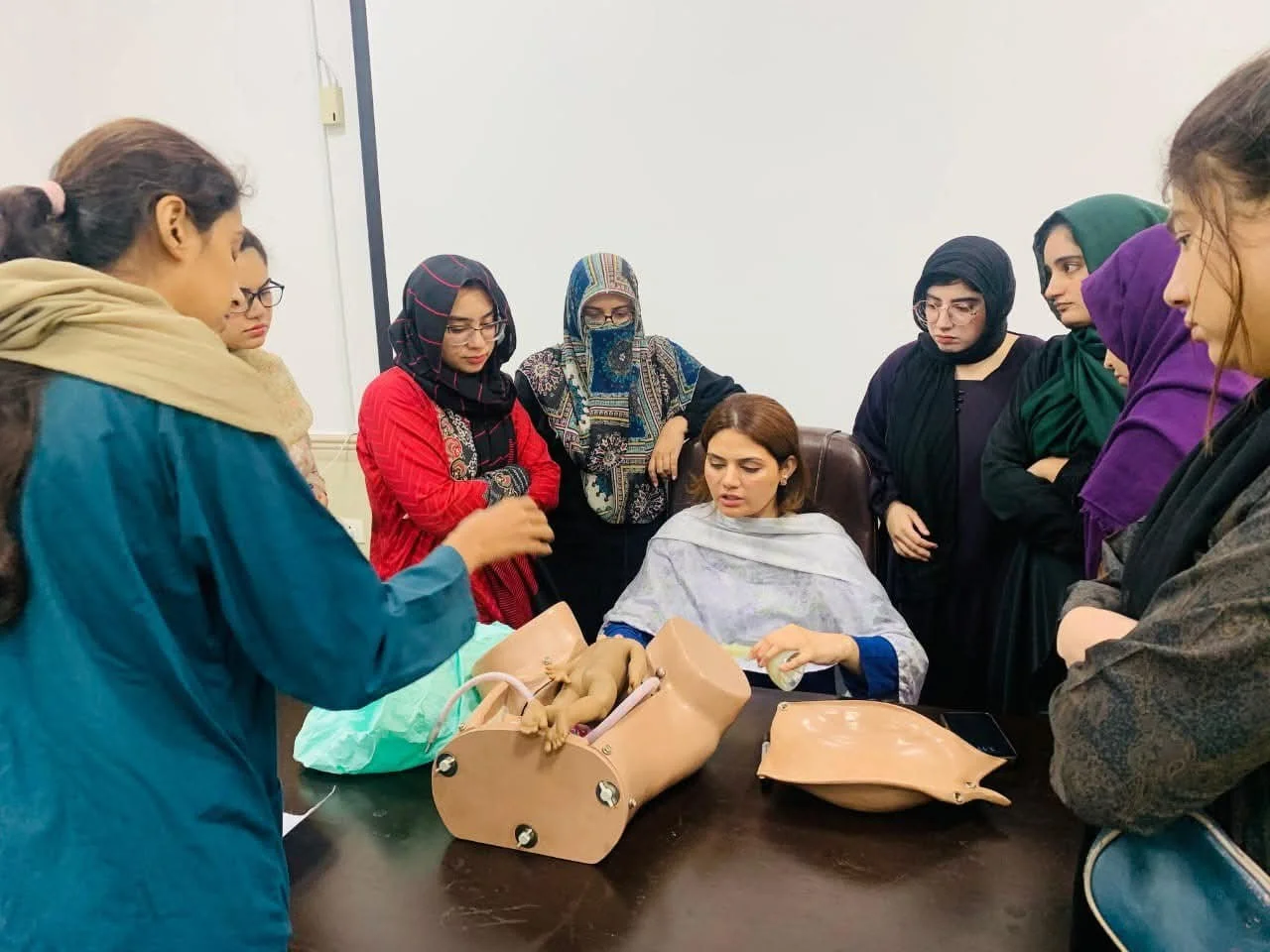
Through interactive sessions, simulation labs, and clinical exposure, I aim to make learning engaging, empathetic, and empowering
LIST OF FACULTY MEMBERS | |||
NAME | DESIGNATION | QUALIFICATION | CONTACT INFORMATION |
| Prof. Dr. Saima Ashraf | Professor | MBBS, FCPS | saimashahzad35177@gmail.com |
| Dr. Hajira Masood | Associate Professor | MBBS, FCPS | drhajiramasood@hotmail.com |
| Dr. Asiya Fayyaz | Assistant Professor | MBBS, FCPS | asiyafayyaz1998@gmail.com |
| Dr. Sadia Aslam | Assistant Professor | MBBS, FCPS, | |
| Dr. Wadiat Khan | Assistant Professor | MBBS, FCPS, | dr.khan130@gmail.com |
| Dr. Uzma Shaheen | Senior Registrar | MBBS, FCPS, | druzmashah@hotmail.com |
| Dr. Rabia Rahman | Senior Registrar | MBBS, FCPS | drraabia@yahoo.com |
| Dr. Komal Mirani | Senior Registrar | MBBS, MS | Dr.komalmirani786@gmail.com |
| Dr. Ayesha Zahoor | Consultant | MBBS, FCPS | drayeshazahoorqureshi@gmail.com |
| Dr. Fatima Hashmi | Consultant | MBBS, FCPS | fatimahashmi_24@hotmail.com |
| Dr. Maria Ahmad Khan | Consultant | MBBS, FCPS | drmaria63@hotmail.com |
| Dr. Rahat Amir | Consultant | MBBS, FCPS | dr-rahat@hotmail.com |
| Dr. Arif Khan | Consultant | MBBS, FCPS | mohammadarifkhan721@gmail.com |
| Dr. Syeda Hussna | Consultant | MBBS, FCPS | hussna_zahra@hotmail.com |
| Dr. Shazia Shafi | Consultant | MBBS, FCPS | drshazia583@gmail.com |
| Dr. Nosheen Sadiq | Consultant | MBBS, FCPS | drnosheensadiq@gmail.com |
| Dr. Sehrish Rubab | Consultant | MBBS, FCPS | |
| Dr. Afshan Mehwish | Consultant | MBBS, FCPS | afshan.mehvish786@gmail.com |
| Dr. Armish Saeed | Consultant | MBBS, FCPS | |
| Dr. Sadaf Mushtaq | Consultant | MBBS, FCPS | |
| Dr. Zarmeen Mazhar | Consultant | MBBS, FCPS | |
| Dr. Hafsa Kareem | Consultant | MBBS, FCPS | |
| Dr. Hawwa Tariq | Consultant | MBBS, FCPS | |
| Dr. Nida Shahid | Consultant | MBBS, FCPS | |
| Dr. Fozia Iqbal | Consultant | MBBS, FCPS | |
| Dr. Saba Mazhar | Consultant | MBBS, FCPS | |
| Dr. Sadia Falak | Consultant | MBBS, FCPS | Sadiafalak23@gmail.com |
| Dr. Samra Ijaz | Consultant | MBBS, FCPS | |
Associate professor dr Hajira Masood

Dr wadiat khan Assistant Professor

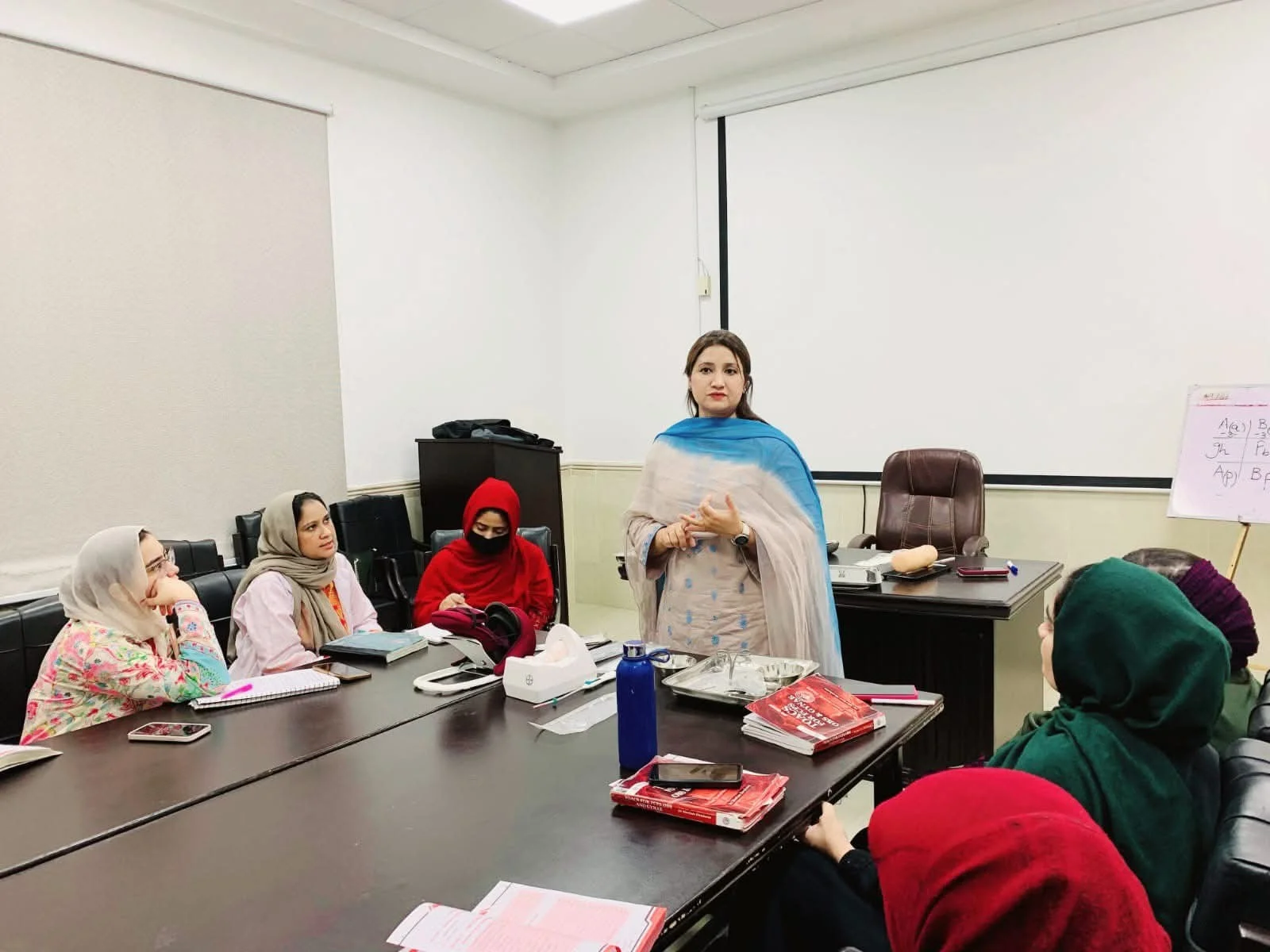
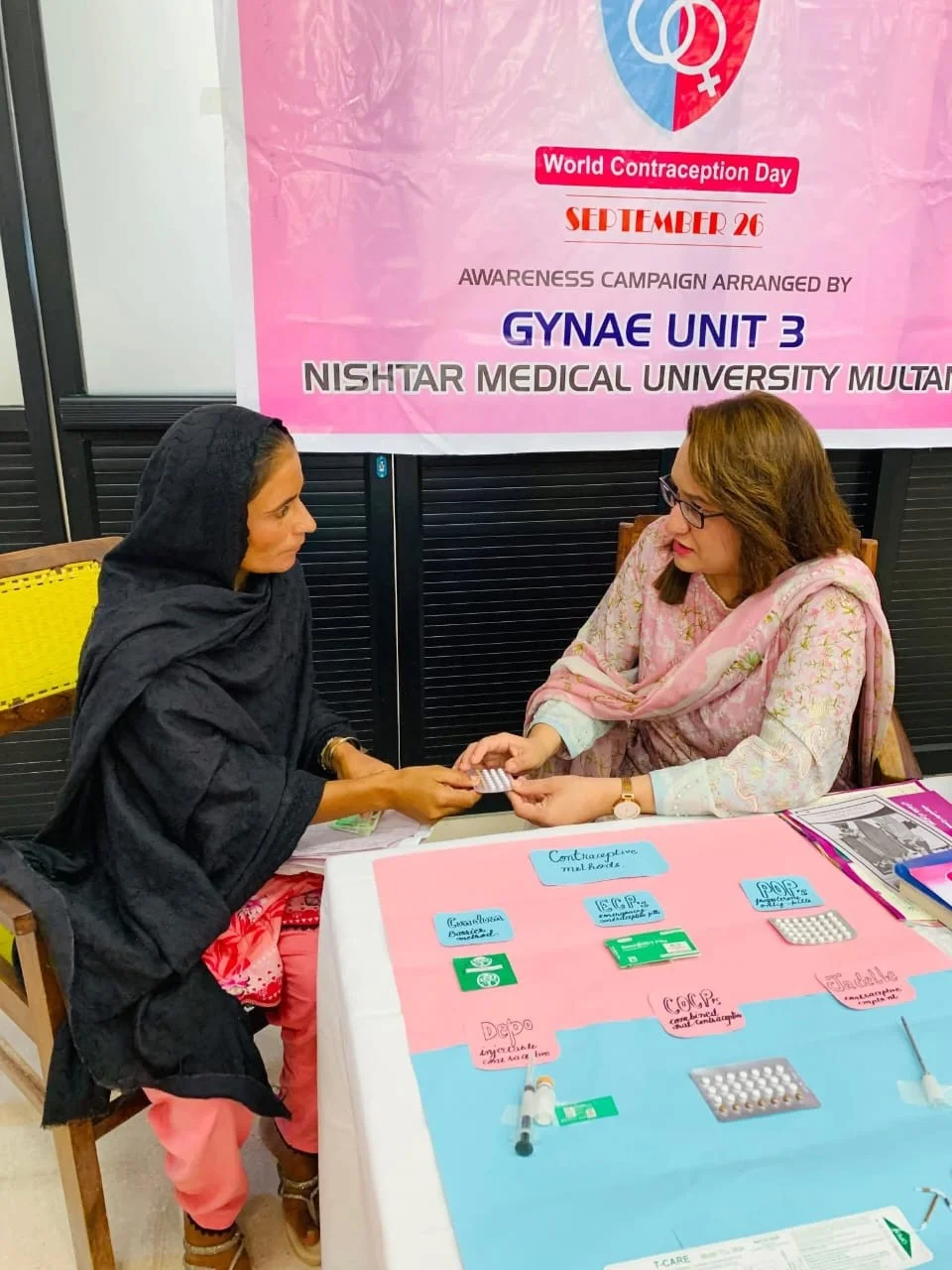
Awareness Campaign on world contraception day


RESEARCH
PROF. Dr. Saima Ashraf
- FIRST TRIMESTER MISCARRIAGE MANUAL VACUUM ASPIRATION VERSUS MISOPROSTOL FOR THE MANAGEMENT Vol. 24 No. 07 (2017): Vol 24 No. 07
- MATERNAL OUTCOMES OF EXPECTANT MANAGEMENT IN COMPARISON WITH INDUCTION OF LABOUR wITHIN TWENTY FOUR HOURS OE PREMATURE RUPTURE OF MEMBRANES (PROM). DOI: 10.29309/TPMJ/2020.27.08.4182
- Association of obstetrical Hvsterectomy with rising rates of cesarean section Publication In PMDC among women with Placenta Previa Approved Journals Vol. 39 No. 1 (2023): January-February 2023
- Comparing the efficacy of probiotic plus antibiotic with the Antibiotic Therapy alone on the recurrence of Bacterial Vaginosis Vol, 41 No. 1 (2025): January 2025 >
- Comparison of Clomiphene Citrate Clomiphene Alone and Clomiphene Plus Sildenafil Citrate Citrate Alone and Plus to Improve Ovulation Induction in Patients Sildenafil Citrate to Improve with Unexplained Subfertility Med.Vol. 34, No. 8 OriginalArticle 94 August, 2023
- Efectiveness of Norethisterone Acetate alone Versus in Comnbination with Letrozole for treatment of Chronic Pelvic Chronic Pain and Dyspareunia in Patients with Endometriosis Vol. 16, No. 06, Jun 2022 307
- Hajira Masood
- First Trimester Miscarriage: Manual Vacuum Aspiration Versus Misoprostol For The Managenment Vol. 24 No. 07 (2017): Vol 24 No. 07
- Maternal Sepsis and associated factors: A multi-central study from two tertiary care hospitals of South Puniab, Pakistan Publicatton ls PMDC January 2025 Vol, 41 No. 1 Approved Journals
- Role of Low Molecular Weight Heparin in Unexplained Recurrent Pregnancy Loss Vol. 35(o6):717-721
- Seroprevalance of rubella antibodies among women of reproductive age Vol. 12 No. 4 (2006): AKEMU >
- Primary Dysmenorrhea in Adolescence >
- Identifving Symptoms of Ovarian Cancer >
- Premenstrual Syndrome in Young Girls. >
- First Trimester Miscarriage. Manual Vacuum Aspiration Versus Misoprostol for The Management >
- Role of PH & Leukocyte Count in Prediction of Preterm Labour >
- Role of Metformin in Reducing Frequency of 1″ Trimester Miscarriage among Pregnant women with Polycystic Ovarian Syndrome” >
- Frequency of Positive Endometrial Pipelle Biopsies in Patients with Abnormal Uterine Bleeding For Detection of Endometrial Carcinoma”
- Critical Analysis of Adverse Outcomes in Delaved Presentation of Ectopic Pregnancy
- Wadiat Khan
- Maternal outcomes in patients having morbid adherence of placent after hysterectomy Medical journal of south Punjab vol2 issue Publication In PMDC Approved Journals >
- Thyroid dysfunction in women with primary subfertility Med forum volume 32 no 3
- Sadia Aslam
- STUDY TO KNOW THE EFFECT OF URINARY STONES ON PRETERM LABOUR: A RETROSPECTIVE ANALYSIS Indo Am. J. P. Sci, 2020; 07(02).
- THE UROLOGICAL DISORDERS AMONG PREGNANT FEMALES AND ITS COMPLICATIONS Indo Am. J. P. Sci, 2020; 07 (02).
- Asiya Fayyaz
- ANEMIA AND CAUSATIVE RISK FACTORS
Role of Mentzer index for differentiating iron deficiency.
- SEMEN ANALYSIS IN INFERTILE COUPLE
Dr. Rabia Rahman
- Maternal Outcome in Patient having Morbid Adherence of Placenta after Hysterectomy 2021;2(1): 3-7
- Frequency of Placenta Previa in Scarred and Unscarred Uterus Vol. 1, No. 1, 2018
- Frequency of Various Laparoscopic Diagnostic Findings in Subfertile Women JSOGP 2011, Vol. 1, No. 4
Dr. Uzma Shaheen
- Comparison of Prevalence of Stress Incontinence Among Multiparous and Primiparous Women After One year of Delivery JMMDC 2022:Vol 1 (1):06-10 >
- Diagnostic Accuracy of Doppler Ultrasound in Diagnosis of Morbidly Adherent as Gold Standard rOperative Diagnosis Epns per Med Publication In PMDC Approved
- Frequency of Live Births in Patients with Unexplained Recurrent Abortions Journals Treated with low Molecular Weight Heparin and Aspirin Med Forum 2015;26 (8): >
- Low Birthweight in Women with Vitamin D Deficiency PJMHS Vol. 15.No.10. Oct 2021
- A Study Comparing the Risk of Adverse Pregnancy Outeomes in Women with and Without Polycystie Ovarian Syndrome PJMHS Vol. 17, No.02. February,2023
- Effect of early Tranexamic acid administration onmortality, ysteree【OmYanO other morbidities in women with post -partum haemorrhage (WO an international, randomised, double-blind, placeb0- controlled trial The Lancet. April 2017
- Thyroid Dysfunction in Women with Primary Subfertility Med Forum2021; 32(3): 77-81
- Efficacy of Letrozole as First Line Ovulation Induction Agent in Subfertile Women PJMHS Vol. 7, No. 3 Jul – Sep 2013 >
- Rao Spiral Suturing (SRSS) of Lower Uterine Segment: An Innovative Hemostatic Technique in The Management of Placenta Previa and Acereta Spectrum. PAK J Med sci 2024 Jan-Feb 40; (3 part -|) 449-454
Dr. Ayesha Zahoor
- Feto-Maternal Outcome; Comparison While Using Epidural Analgesia Versus Parenteral Opioid Derivatives In Labor Vol. 19 No. 03 (2012): Vol 19. No.03 >
- Episiotomy Versus No-Episiotomy Approach And Impact On Severe Perineal Trauma: An Institutional Experience Publication In PMDC Isra Med J. Vol 11 – Issue 5 | Sep-Oct 2019 Approved Journals >
- Social Factors Affecting Antenatal Care (Under Process Of Publication) MEDICAL BED NO:1
Dr. Komal Mirani
- Efficacy of Ascorbic acid verses placebo in the treatment of bacterial vaginosis
- CIRCULATING MICRORNAS AS NOVEL BIOMARKERS IN GYNECOLOGICAL CANCERS: CURRENT EVIDENCE AND FUTURE DIRECTION
Publication Link
https://fmhr.org/index.php/fmhr/article/view/1024/863
AIMS AND OBJECTIVES OF THE MSN gynae
AIM:
The aim of four years MS programme in Obs/Gynae is to train residents to acquire the competency of a specialist in the field of Obs/Gynae so that they can become good teachers, researchers and clinicians in their specialty after completion of their training.
GENERAL OBJECTIVES:
- To provide a broad experience in Obs/Gynae, including its interrelationship with other disciplines.
- To enhance Obs/Gynae knowledge, skills, and competence in bedside diagnostic and therapeutic procedures.
- To achieve the professional requirements, to prepare the consultants for the sub specialty in Obs/Gynae.
- To cultivate the correct professional attitude and enhance communication skill towards patients, their families and other healthcare professionals.
- To enhance sensitivity and responsiveness to community needs and the economics of health care delivery.
- To enhance critical thinking, self-learning, and interest in research and development of patient service.
- To cultivate the practice of evidence-based practice and critical appraisal skills.
- To inculcate a commitment to continuous medical education and professional development.
- To provide a broad trammg and in-depth experience at a level for trainees to acquire competence and professionalism of a specialist in Obs/Gynae especially in the diagnosis, investigation and treatment of obstetrical and gynaecological problems towards the delivery of holistic patient care.
- To acquire competence in managing acute Obs/Gynae emergencies and identifying Obs/Gynae problems in patients referred by primary care and other doctors, and in selecting patients for timely referral to other specialty appropriate tertiary care or the expertise of another specialty.
- To develop competence in the inpatient and outpatient management and in selecting patients for referral to tertiary care facilities and treatment modalities requiring high technology and/or the expertise of another specialty.
- To manage patients in general Obs/Gynae units in regional/District hospitals; to be a leader in the health care delivery team and to work closely with networking units which provide convalescence, rehabilitation and long-term care.
- To encourage the development of skills in communication and collaboration with the community towards health care delivery.
- To foster the development of skills in the critical appraisal of new methods of investigation and/or treatment.
- To reinforce self-learning and commitment to continued updating in all aspects of Obs/Gynae.
- To encourage contributions aiming at advancement of knowledge and innovation in Obs/Gynae through basic and/or clinical research and teaching of junior trainees and other health related professionals.
- To acquire professional competence in training future trainees in Obs/Gynae at Nishtar Medical University.
SPECIFIC OBJECTIVES
- OBS/GYNAE KNOWLEDGE
- The development of a basic understanding of core Obs/Gynae concepts.
- Etiology, clinical manifestation, disease course and prognosis, investigation and management of common Obs I
- Gynae diseases.
- Scientific basis and recent advances in diagnosis and management of complicated Obs/Gynae diseases.
- Spectrum of clinical manifestations and interaction of multiple problems diseases in the same patient.
- Psychological and social aspects of Obstetrical and gynaecological complications.
- Effective use and interpretation of investigation and special diagnostic procedures.
- Critical analysis of the efficacy, cost-effectiveness and cost-utility of treatment modalities.
- Patient safety and risk management
- Audit and quality assurance
- Ethical principles and medico legal issues related to concerned specialty.
- Updated knowledge on evidenced-based practice and its implications for diagnosis and treatment of patients.
- Familiarity with different care approaches and types of sub specialties in Obs/Gynae, including urogynecology, fetal medicine, gynecological oncology and subfertility.
- Knowledge on patient safety and clinical risk management.
- Awareness and concern for the cost-effectiveness and risk-benefits of various advanced treatment modalities.
- Familiarity with the concepts of administration and management of overall running of Obs/Gynae unit.
- SKILLS
- Ability to take a detailed history, gathers relevant data from patients, and assimilates the information to develop detailed management plan.
- MS trainee are expected to effectively record an initial history and physical examination and follow-up notes. She should be capable to present case in an elaborative and comprehensive manner to her seniors on round and to guide their team members regarding case management.
- Competence in eliciting abnormal physical signs and interpreting their significance.
- Ability to select appropriate investigation and diagnostic procedures for confirmation of diagnosis and patient management.
- Residents should be able to interpret all laboratory data relevant to basic antenatal care.
- Basic understanding of routine baseline investigations for subfertility biochemistry, hormonal profile, pelvic ultrasound and semen analysis. In addition MS trainee should be capable of judicially advising all these laboratory investigations based on patient history and examination.
- The Trainee should be capable enough to advise and interpret basics radiological investigations including trans abdominal ultrasound, trans vaginal ultrasound, CT and MRI.
- The formulation of a differential diagnosis based on patient history and investigation and with up-to-date scientific evidence and the development of list of risk factors to make therapeutic decisions.
- Assessing the risks, benefits, and costs of varying effective treatment options.
- Residents must be able to perform competently all Obs/Gynae procedures and skills required in their allocated time interval during the training of Obs/Gynae. This includes efficiency in taking consent based on appropriate indications.
- Residents should be instructed in additional procedural skills that will be determined by the training environment, trainees expectations and availability of skilled teaching faculty.
- Skills in performing important bedside diagnostic and therapeutic procedures will be marked by supervisor or mentors as desired competency level achieved I not achieved by trainee. The required number of DOPS and MiniCEX during four year training will be enlisted in Log Book.
- Ability to present clinical cases in ward rounds and teaching classes.
- Good communication skills and interpersonal relationship with patients, families, colleagues, paramedics, nursing and allied health professionals.
- Ability to mobilize appropriate resources for management of patients at different stages of Obs/Gynae illnesses, including critical care, consultation of Obs/Gynae specialties and other disciplines, ambulatory and rehabilitative services, and community resources.
- Competence in the diagnosis and management of obstetrics emergencies particularly postpartum hemorrhage, eclampsia, septic induced abortion, ruptured ectopic and rupture uterus.
- Competence in the diagnosis and management of benign and malignant gynecological tumor and treatment modalities available around vicinity.
- Diagnostic skills to effectively manage complex cases with unusual presentations.
- Ability to implement strategies to prevent antenatal complication and early detection of diseases.
- Ability to understand and critically appraise published work and clinical research on disease presentations and treatment outcomes. Experience in basic and/or clinical research within the training programme should lead to publications and/or presentation in seminars or conferences.
- Practice based learning with reference to research and scientific knowledge pertaining to their discipline through comprehensive training in Research Methodology.
- Ability to recognize and appreciate the importance of cost-effectiveness of treatment modalities.
- The identification of key information resources and the utilization of literature to expand one’s knowledge base and to search for answer to problems.
- ATTITUDES
- The well-being and restoration of health of patients must be the top priority .
- Empathy and good rapport with patient and relatives are essential attributes.
- An aspiration to be the team-leader in total patient care involving nursing and allied Obs/Gynae professionals should be developed.
- The cost-effectiveness of various investigations and treatments in patient care should be recognized.
- The privacy and confidentiality of patients and the sanctity of life must be respected.
- The development of a functional understanding of informed consent, and the physician-patient relationship.
- Ability to appreciate the importance of the effect of disease on the psychological aspects and socio-economic burden of individual.
- Understand patients’ psycho-social needs and rights, as well as the professional ethics involved in patient management.
- Willingness to keep up with advances in Obs/Gynae and concerned specialties.
- Understand the need of timely referral of patients to the appropriate specialty.
- Aspiration to be the team leader in patient care involving paramedics nursing and allied Obs/Gynae professionals.
- The promotion of women health via awareness programmes regarding contraception immunizations, periodic health screening, and risk factor assessment and modification.
- Recognition that teaching and research are important activities for the advancement of the profession.
- OTHER REQUIRED CORE COMPETENCIES:
- PATIENT CARE
- Residents are expected to provide patient care that is compassionate, appropriate and effective for the promotion of health, prevention of illness, treatment of disease and at the end of life.
- Gather accurate, essential information from all sources, including history, physical examinations, investigations, clinical record and diagnostic/therapeutic procedures.
- Make informed recommendations about preventive, diagnostic and therapeutic options and interventions based on clinical judgment, scientific evidence, and patient preference.
- Develop, negotiate and implement effective patient management plans and integration of patient care.
- Perform competently the diagnostic and therapeutic procedures considered essential to the practice of internal medicine.
- INTERPERSONAL AND COMMUNICATION SKILLS
- Residents are expected to demonstrate interpersonal and communication skills that enable them to establish and maintain professional relationships with patients, families, and other members of health care teams.
- Provide effective and professional consultation to other physicians and health care professionals and sustain therapeutic and ethically sound professional relationships with patients, their families, and colleagues.
- Use effective listening, nonverbal, questioning, and narrative skills to communicate with patients and families. · Interact with consultants in a respectful, appropriate manner.
- Maintain comprehensive, timely, and legible Obs/Gynae records.
- PROFESSIONALISM
- Residents are expected to demonstrate behaviors that reflect a commitment to continuous professional developmental, ethical practice, an understanding and sensitivity to diversity and a responsible attitude toward their patients, their profession, and society.
- Demonstrate respect, compassion, integrity, and altruism in relationships with patients, families, and colleagues.
- Demonstrate sensitivity and responsiveness to the gender, age, culture, religion, sexual preference, socioeconomic status, beliefs, behavior and disabilities of patients and professional colleagues.
- Adhere to principles of confidentiality, scientific/academic integrity, and informed consent.
- Recognize and identify deficiencies in peer performance.
- Understand and demonstrate the skill and art of end-of-life care.
- PRACTICE-BASED LEARNING AND IMPROVEMENT
- Residents are expected to be able to use scientific evidence and methods to investigate, evaluate, and improve patient care practices.
- Identify areas for improvement and implement strategies to enhance knowledge, skills, attitudes and processes of care.
- Analyze and evaluate practice experiences and implement strategies to continually improve the quality of patient practice.
- Develop and maintain a willingness to learn from errors and use errors to improve the system or processes of care.
- Use information of technology or other available methodologies to access and manage information, support patient care decisions and enhance both patient and physician education.
- SYSTEMS-BASED PRACTICE
- Residents are expected to demonstrate both an understanding of the contexts and systems in which health care is provided, and the ability to apply this knowledge to improve and optimize health care.
- Understands accesses and utilizes the resources, providers and systems necessary to provide optimal care.
- Understand the limitations and opportunities inherent in various practice types and delivery systems, and develop strategies to optimize care for the individual patient.
- Apply evidence-based, cost-conscious strategies to prevention, diagnosis, and disease management.
- Collaborate with other members of the health care team to assist patients in dealing effectively with complex systems and to improve systematic processes of care.
SPECIFIC LEARNING OUTCOMES
On completion of the training programme, Obstetrics and Gynaecology trainees pursuing an academic pathway will be expected to have demonstrated competence in all aspects of the published syllabus. The specific training component would be targeted for establishing clearly defined standards of knowledge and skills required to practice Obstetrics and Gynaecology at secondary and tertiary care level with proficiency in the Basic and applied clinical sciences, Basic gynecological and obstetric care, intensive care, Emergency (A&E) medicine and Complementary surgical disciplines.
- Describe embryology, applied anatomy, physiology, pathology, clinical features, diagnostic procedures and the therapeutics including preventive methods, (medical/surgical) pertaining to Obstetrics and Gynaecology surgery
- Develop clinical skills in the medical interview and physical examination in both obstetrical and gynecological patients
- Understand the physiological, physical and psychological change during pregnancy, labour and puerperium
- Understand the development of the foetus from conception to term
- Develop skill in identifying the needs of the mother during antenatal, intranatal and postnatal period and promote positive health in normal and high risk cases.
- Develop skill in conducting normal labour and identify any major deviations from normal.
- Develop skill in giving care to the high-risk neonates, small for date & premature infants.
- Identify menstrual disorders, pelvic inflammatory diseases and infertility cases and provide comprehensive care.
- Extend maternal and child health to families and counsel couples regarding acceptance of family planning measures.
- Be able to develop a broad differential diagnosis for a patient with an “acute abdomen” including conditions such as pelvic infection, ectopic pregnancy, adnexal torsion, appendicitis, diverticulitis, urinary calculi
- Become aware of population health; recognize social and health policy aspects of women’s health, ethical issues, sterilization, abortion, domestic violence, adolescent pregnancy, and access to health care
- Demonstrate newer knowledge about gynecological or obstetric diseases in general, including technological (laser) and pharmacologic advances (medicines) and newer method of therapy for certain conditions.
- Acquire knowledge about radiology/imaging and to interpret different radiological procedures and imaging procedures in Obstetrics and Gynaecology There should be collaboration with Radiology department for such activities.
SPECIALIZED TRAINING IN:
Anatomy & Embryology:
- Review of external and internal female and male genital organs
- Anatomy of pelvic floor
- Female pelvis-structure measurement and deviation
- Fertilization and maturation of ovum, embedding of zygote.
- Placenta – development, type, abnormalities and functions
- Fetal development and fetal circulation.
- Fetal skull and its measurement
- Influence of hereditary factors on growth & development of fetus and health of newborn
- Normal development and pubertal changes in human breast
- Hormonal influences on breast development
- Cell proliferation and hormone receptors
- Morphology, blood supply and lymphatic drainage of the breast
- Changes during pregnancy, lactation and Menopause
- Abnormalities in breast development
- Congenital
- Acquired
Physiology:
- Physiology of normal menstruation
- Physiological during pregnancy – anatomical, hormonal and biochemical
- Signs symptoms and diagnosis of pregnancy – clinical, biophysical, biochemical and hormonal
- Psychosocial aspects
Antenatal care:
- Assessment, general and obstetrical examination, pelvic examination, nutrition, antenatal exercises, mother craft.
- Minor aliments of pregnancy.
- Aspects of preventive obstetrics.
Normal labour
- Onset, physiological changes & psychological aspects of labour
- Mechanism, induction and augmentation of labour
- Monitoring & use of portogram and cervicograph
- Observation and clinical diagnosis of patient in different stages of labour.
- Episiotomy and care
- Analgesics and anesthesia in labour
Normal puerperium
- Physiological changes during puerperium
- Care during puerperium – mother, neonate and family
- Physiology of lactation and establishment of lactation and breast feeding
- Post-natal-care – post natal exercises, follow up care.
- Customs and beliefs in relation to confinement and puerperium
New Born
- Resuscitation &, immediate care of new born.
- Normal characteristics and care of the new born
- Asphyxia neonatorum, respiratory distress
- Jaundice in new born
- Hemorrhagic diseases of the newborn
- Convulsions in new born
- Birth injuries, congenital anomalies, infection of the newborn, vomiting in new born.
- Still birth – incidence, causes and prevention
- Care of Low birth weight babies in labour room and nursery
High risk pregnancy
- Hyperemesis gravidarum
- Hydramnios
- Multiple pregnancy
- Premature rupture of membrane and preterm labour
- Intrauterine growth retardation
- Post-date pregnancy
- Abnormal Uterine Action
- Medical conditions associated with pregnancy:
- Anemia in pregnancy
- Heart disease in pregnancy
- Pregnancy induced hypertension
- Venous thromboembolism
- Rh Incompatibility and amniocentesis
- Diabetes in pregnancy
- Pyelonephritis
- Infections, sexually transmitted diseases in pregnancy
- General surgery during pregnancy
Gynecological conditions in pregnancy:
- Ca cervix with pregnancy
- Fibroid with pregnancy
- Ovarian tumor in pregnancy
- Retroverted gravid uterus
- Genital prolapse in pregnancy
Complications in pregnancy
- Bleeding in early pregnancy
- Abortion, types, complication and management
- Ectopic pregnancy
- Trophoblastic tumours
- Ante partum haemorrhage
- Placenta praevia
- Abruptio placenta
- Hydatidiform mole
- Pregnancy induced hypertension (Pre eclampsia and eclampsia)
- Intrauterine death
- Induction of labour, Preterm labour and Post maturity
- Induction of labour – Medical, surgical, combined
- Preterm labour
- Premature rupture of the membrane
- Post maturity
- Intrauterine foetal death
Malposition, Malpresentation and Cord prolapse
- Occipito-posterior position – causes, diagnosis, antenatal care, course of labour and management
- Breech presentation – causes, diagnosis, types, antenatal care, course of labour and management
- Face and brow presentation – causes diagnosis, antenatal care, course of labour, and management
- Transverse lie, unstable lie
- Compound presentations
- Cord prolapse
- Prolonged labour, obstructed labour, dystocia caused by foetal anomalies
- Destructive operations
Abnormalities of Puerperium
- Puerperal pyrexia and puerperal sepsis
- Puerperal venous thrombosis, thrombophlebitis, pulmonary embolism
- Urinary complications in puerperium
- Post partum hemorrhage
- Other puerperal emergencies
- Subinvolution, obstetric palsies
- Breast complications – Breast engorgement, breast abscess, acute mastitis cracked & retracted nipples, suppression of lactation
- Psychiatric disturbances in puerperium
- Obstetrical emergencies and operative obstetrics 5 Hrs
- Uterine rupture, cervical tear, inversion of uterus
- Obstetrical hysterectomy
- Dilatation and evacuation
- Suction evacuation
- Use of instruments – forceps, ventouse, Versions
- Caesarean section
Special cases
- Pregnancy with previous history of Caesarean section
- Pregnancy in Rh-negative woman
- Elderly primigravida
- Grand multipara
- Bad obstetric history
- Complications of third stage of labour
- Contracted pelvis
- Abnormal uterine action
Pharmacotherapeutics
- Oxytocics and prostaglandins used in obstetrics
- Indications and contraindications of rationale drugs in pregnancy
Gynaecological history taking and examination Menstrual disorders
- Amenorrhoeas
- Cryptomenorrhoea, oligomenorrhoeas
- Hypomenorrhoea, dysmenorrhoea
- Metrorrhagia, menorhagia
- Dysfunctional uterine bleeding
- Menopause and hormonal replacement therapy (HRT)
Common genital infection
- Fungal infections – Vaginal discharges
- Acute and chronic infections of genitalia
- Low back ache
Endometriosis Tumours of the genital tract
- Proliferative lesions and benign tumours; Adenomyosis, uterine lieomyoma, cervical polyp, ovarian cyst and tumours
- Malignant tumours – vulvar, vaginal, cervical, ovarian, endometrial and trophoblastic carcinomas
- Radiotherapy
- Chemotherapy
Uterine displacements
- Uterovaginal prolapse
- Retroverted uterus
- Anteverted uterus
Infertility
- Primary and secondary infertility
Gynecological emergencies
- Acute salpingo-oophoritis
- Twisted ovarian cyst, pedunculated fibroma of the uterus
- Ectopic pregnancy
Special diagnostic tests
- Pap smear
- Ovulation tests, semen analysis
- Tubal patency tests – salphingography,
- Hysterosalpingography
- Culdoscopy, colposcopy, Laparoscopy
- Biopsy –cervical and endometrial
- Gynecological operations and instruments
- Vesicovaginal fistula
- Ureterovaginal fistula
- Pre and post operative care of patients undergoing gynaecological operations
Hormone Therapy:
- indications and management of complications
Research Experience:
All residents in the categorical program are required to complete an academic outcomes-based research project during their training. This project can consist of original bench top laboratory research, clinical research or a combination of both. The research work shall be compiled in the form of a thesis which is to be submitted for evaluation by each resident before end of the training. The designated Faculty will organize and mentor the residents through the process, as well as journal clubs to teach critical appraisal of the literature.