- World Health Organization (WHO)
- Recognized by all leading Medical Universities of USA and United Kingdom
- Pakistan Medical & Dental Council (PMDC)
- Higher Education Commission (HEC)
- Pakistan Medical Research Council (PMRC)
Quality Enhancement Cell QEC
- QEC Home
- Aboute QEC
- Organizational Structure
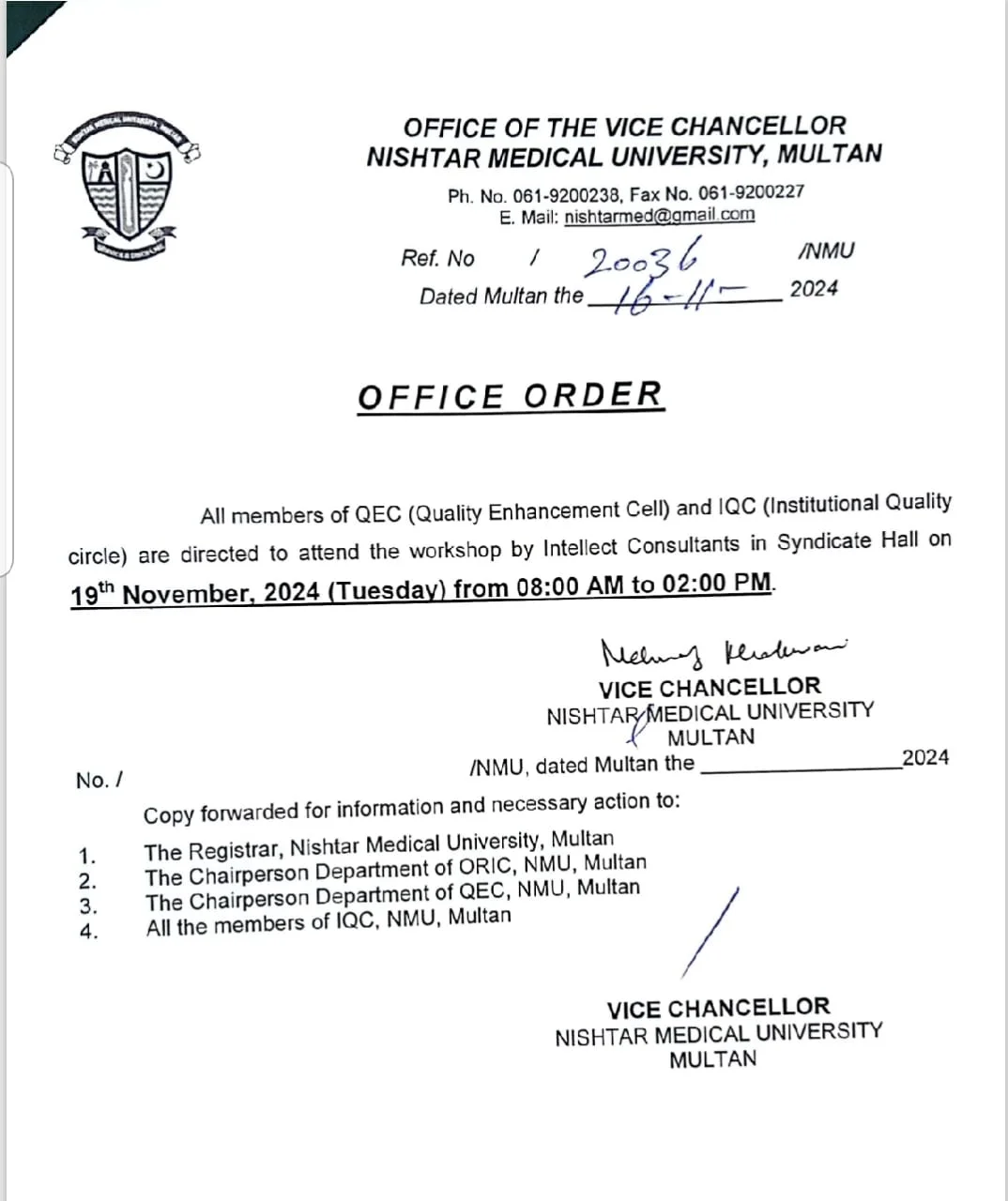
- Trainings and Workshops
- QEC Ranking
- QEC Scorecard
- NMU Annual Reports
- QA Mechanism Of HEC
- QEC Downloads
- Academic Program
- Assessment
- IQC
- Quality
Patron In Chief

Prof. Dr. Mehnaz Khakwani
Vice Chancellor NMU
Director

Prof. Dr. Zahra Nazish
Email: directorqec@nmu.edu.pk
Deputy Director

Prof. Dr. Syed Ahmar Hussain
Email: dydirectorqec@nmu.edu.pk
Honorary Advisor
Prof. Dr. Umer Farooq Ahmed
Email: umerfarooq@nmu.edu.pk
About QEC
The Quality Enhancement Cell was established on 16th May, 2017 at the Nishtar Medical College on the directive of the Vice Chancellor, NMU has always endeavored to maintain a high quality in all the departments, both academic as well as administrative. Quality assurance is a process-driven approach with specific steps to define, measure, analyzed, improve and control to attain its goals and the whole process comprises of design, development, execution of services in education and health sectors. The goal is to ensure that excellence is inherent in every component of the process and QEC strives to accelerate the excellence in all areas by applying appropriate steps laid down in Quality Assurance procedures and standards at the right time and condition. According to Prof. Dr W. Edward Demming (The Quality guru) Quality Assurance cycle for continual improvement have the four steps: Plan, Do, Check, and Act ( PDCA) and most of Quality models ISO standards and HEC models for Quality Assurance etc. build upon these four steps.
QEC is the Quality Assurance Unit developed at NMU to put a focused attention on a Quality Assurance aspect of Higher Education. QEC is being operated by the NMU for execution of QA policies designed by the Quality Assurance Agency (QAA) of HEC with uniformity of pace and standards. This cell is also responsible to develop and implement the measures of Quality Assurance with promise of Quality Enhancement to meet International standards set by the NMU in QA framework & HEC criteria/standards as well and undertaking various assignments to create awareness, impart training and carry out various tasks for Quality Assurance in teaching and education.
QEC Aims
Quality Promotion: The development of a program of activities to institutionalize a quality culture in higher education and a commitment to continuous quality improvement
Capacity Development: The development and implementation of initiatives to build and strengthen the capacity for high quality provision at university, program and individual levels.
Faculty Assessment: Measurement of the expected outcome/performance from individual faculty member through standard internationally evaluated and tested procedures after having provided the requisite teaching and research infrastructure and facilities.
Departmental Reviews: Measurement of the performance of each Academic Department/Institute/Center through conducting annual review based on the standard parameters set for this purpose.
Accreditation: Regular assessment and review of the King Edward Medical University (NMU) in order to assure the quality of the teaching staff and the teaching and training provisions provided to the students.
QEC Functions
According to HEC guidelines, QEC functions are as follows:
1. The Quality Enhancement Cell (QEC) is to be headed by a Dean reporting directly to Vice Chancellor/Rector. He is to be the correspondent with the outside bodies.
2. QEC is responsible for promoting public confidence that the quality and standards of the award of degrees are enhanced and safeguarded.
3. QEC is responsible for the review of quality standards and the quality of teaching and learning in each subject area.
4. QEC is responsible for the review of academic affiliations with other institutions in terms of effective management of standards and quality of programs.
5. QEC is responsible for defining clear and explicit standards as points of reference to the reviews to be carried out. It should also help the employees to know as to what they could expect from candidates.
6. QEC is responsible to develop qualifications framework by setting out the attributes and abilities that can be expected from the holder of a qualification, i.e. Bachelors, Bachelor with Honors, Master’s, M. Phil., Doctoral.
7. QEC is responsible to develop program specifications. These are standard set of information clarifying what knowledge, understanding, skills and other attributes a student will have developed on successfully completing a specific program.
8. QEC is responsible to develop quality assurance processes and methods of evaluation to affirm that the quality of provision and the standard of awards are being maintained and to foster curriculum, subject and staff development, together with research and other scholarly activities.
9. QEC is responsible to ensure that the university’s quality assurance procedures are designed to fit in with the arrangements in place nationally for maintaining and improving the quality of Higher Education.
10. QEC is responsible to develop procedures for the following
- Submission of University Ranking Statistics to HEC
- Self Assessment Process and evaluation including program monitoring, faculty monitoring, and student’s perception
- Student feedback
- Employer feedback
- MS/M.Phil Review and Ph.D Review
- Institutional Review

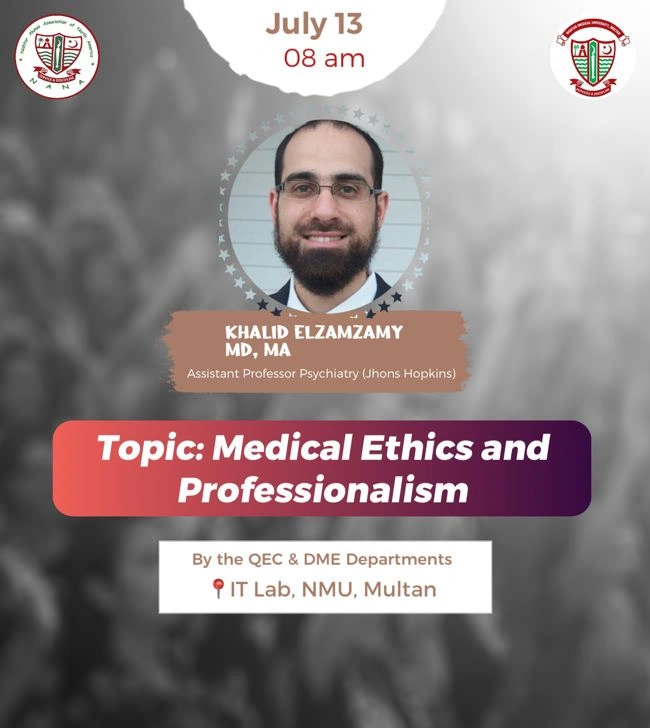
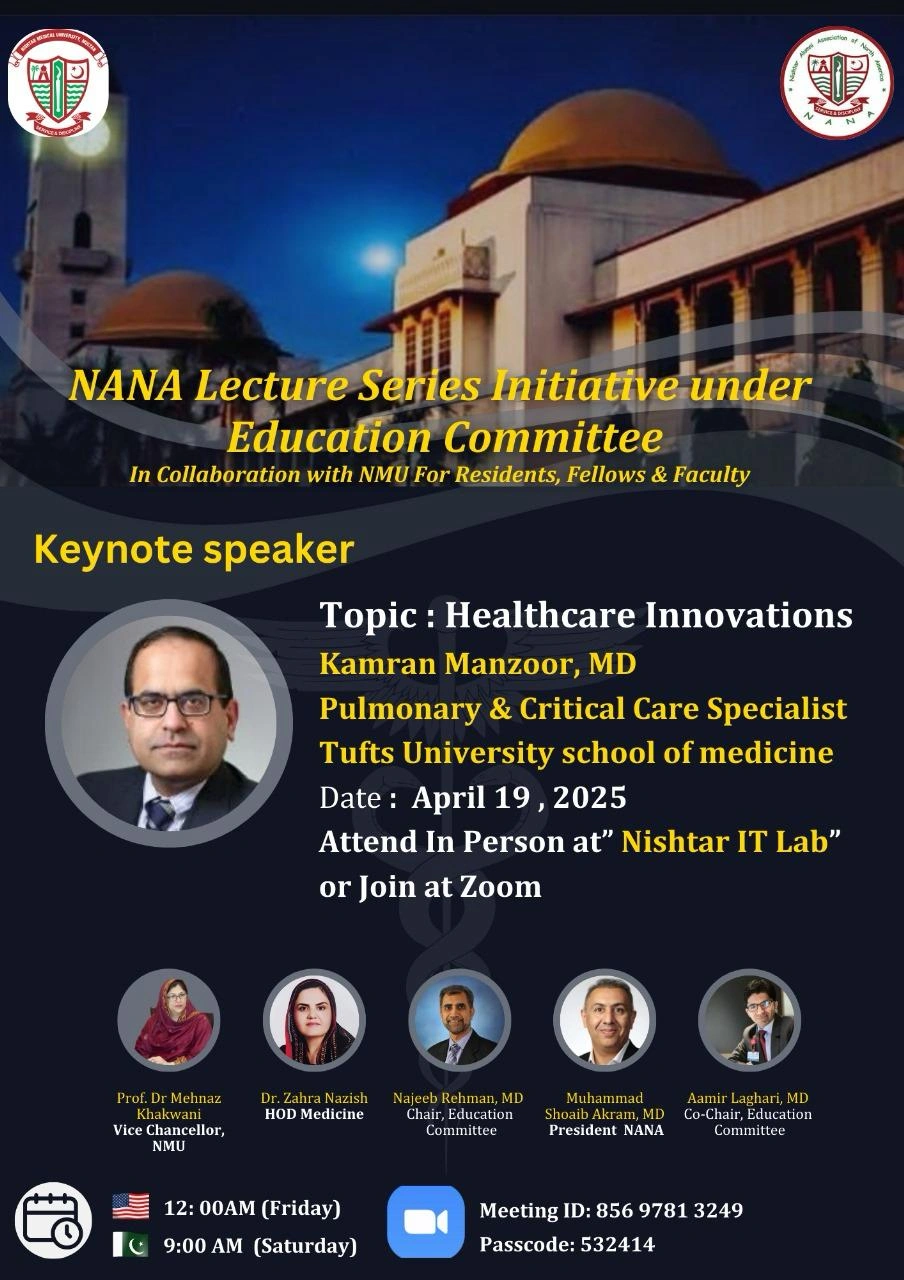
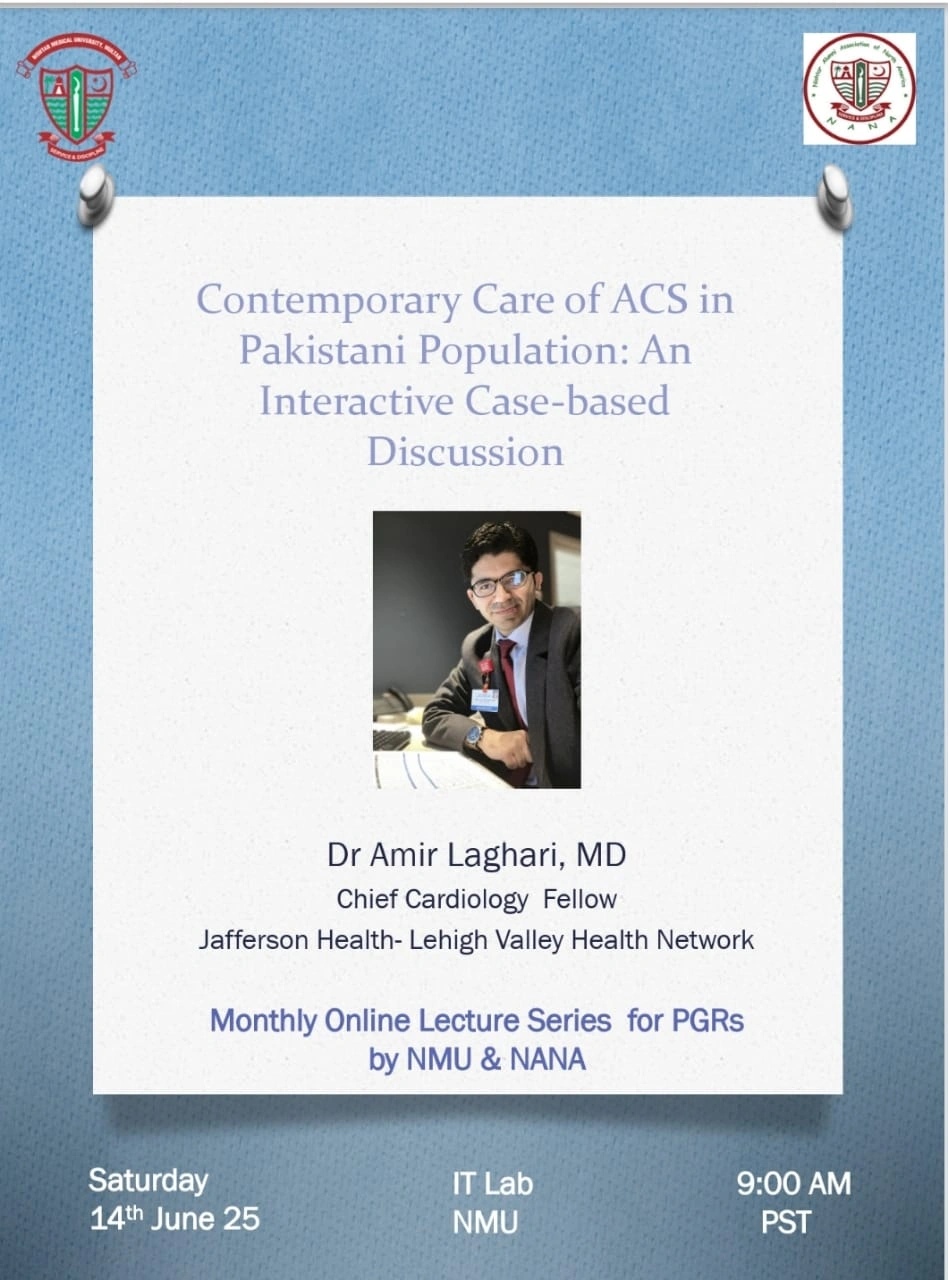
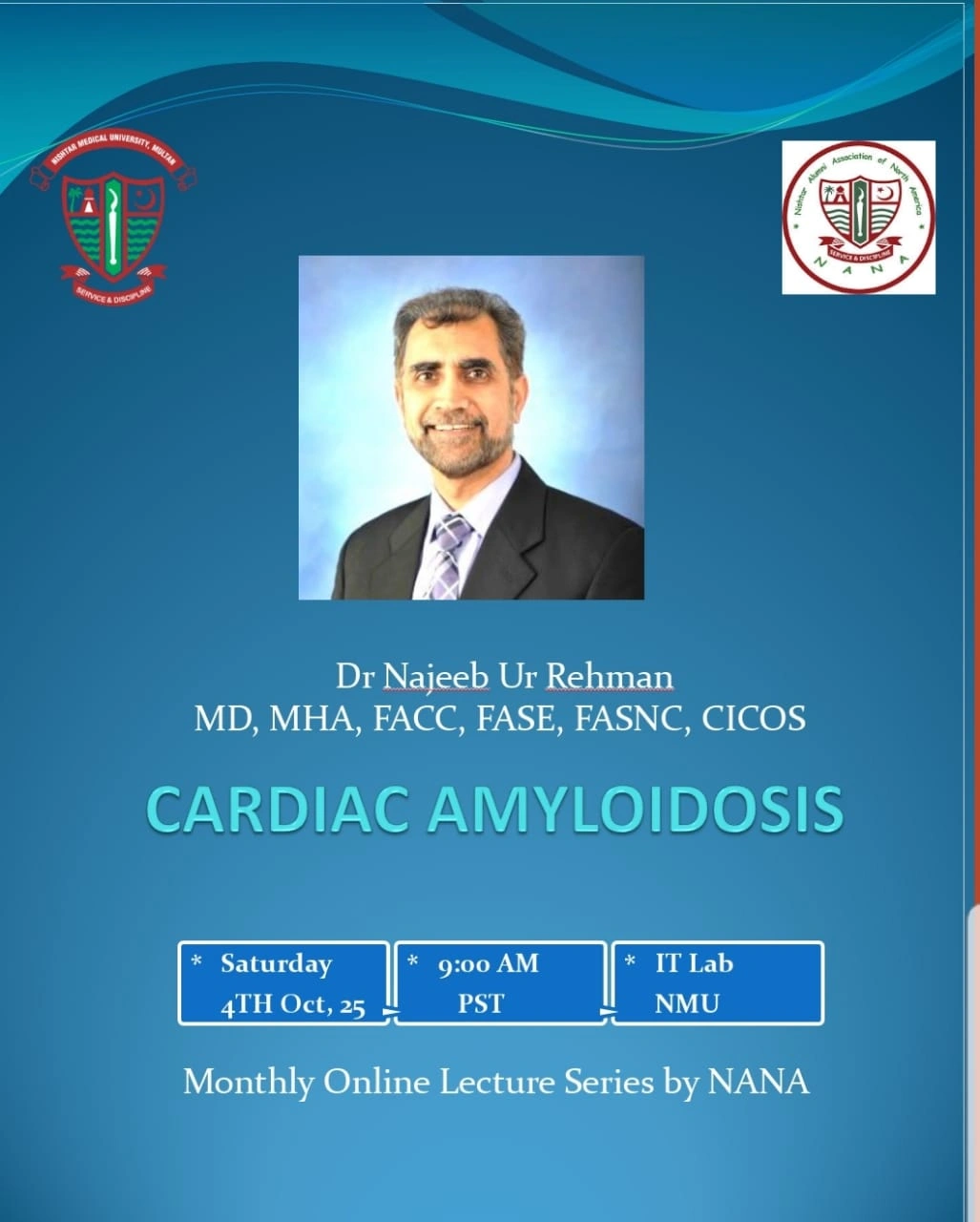
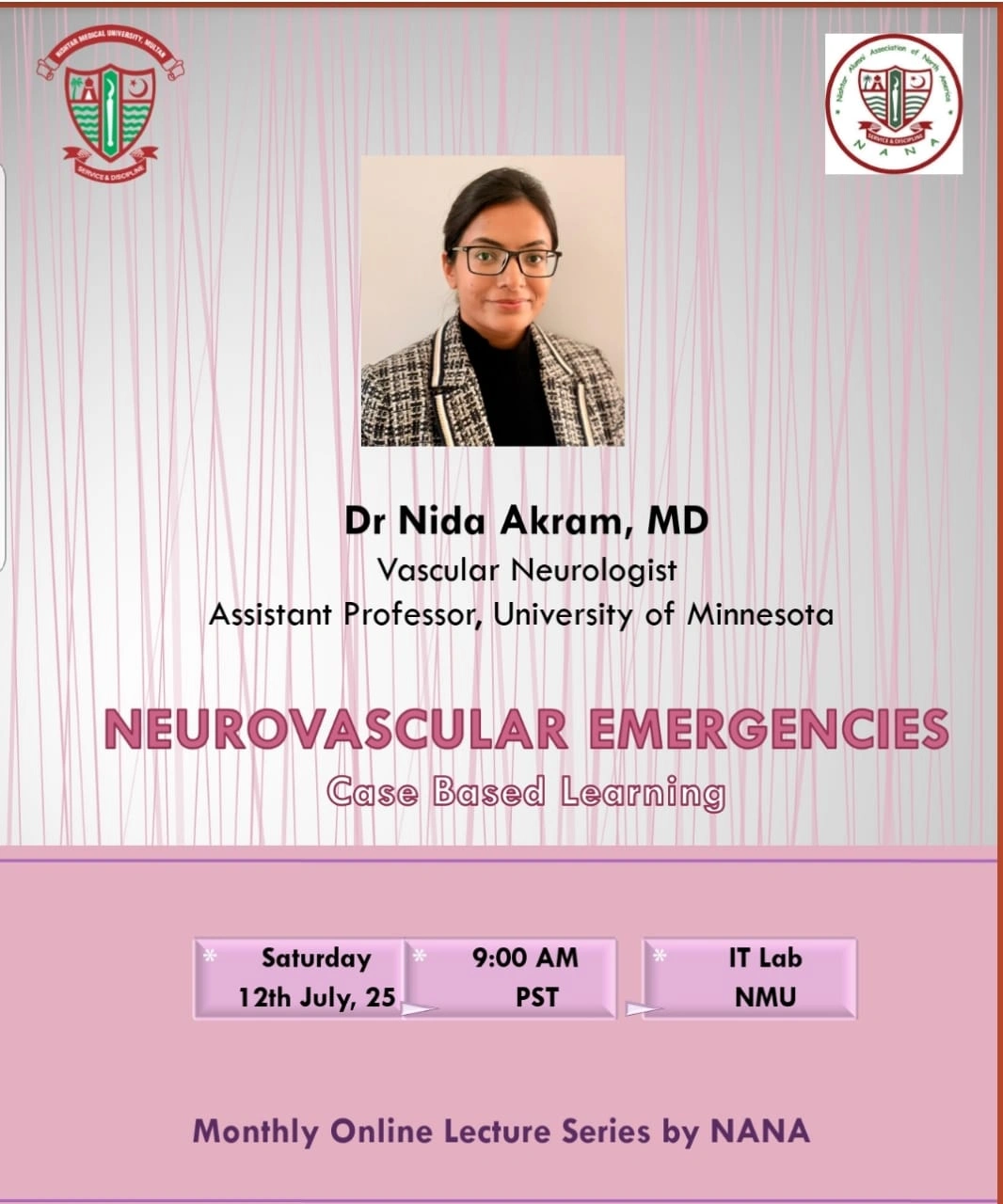
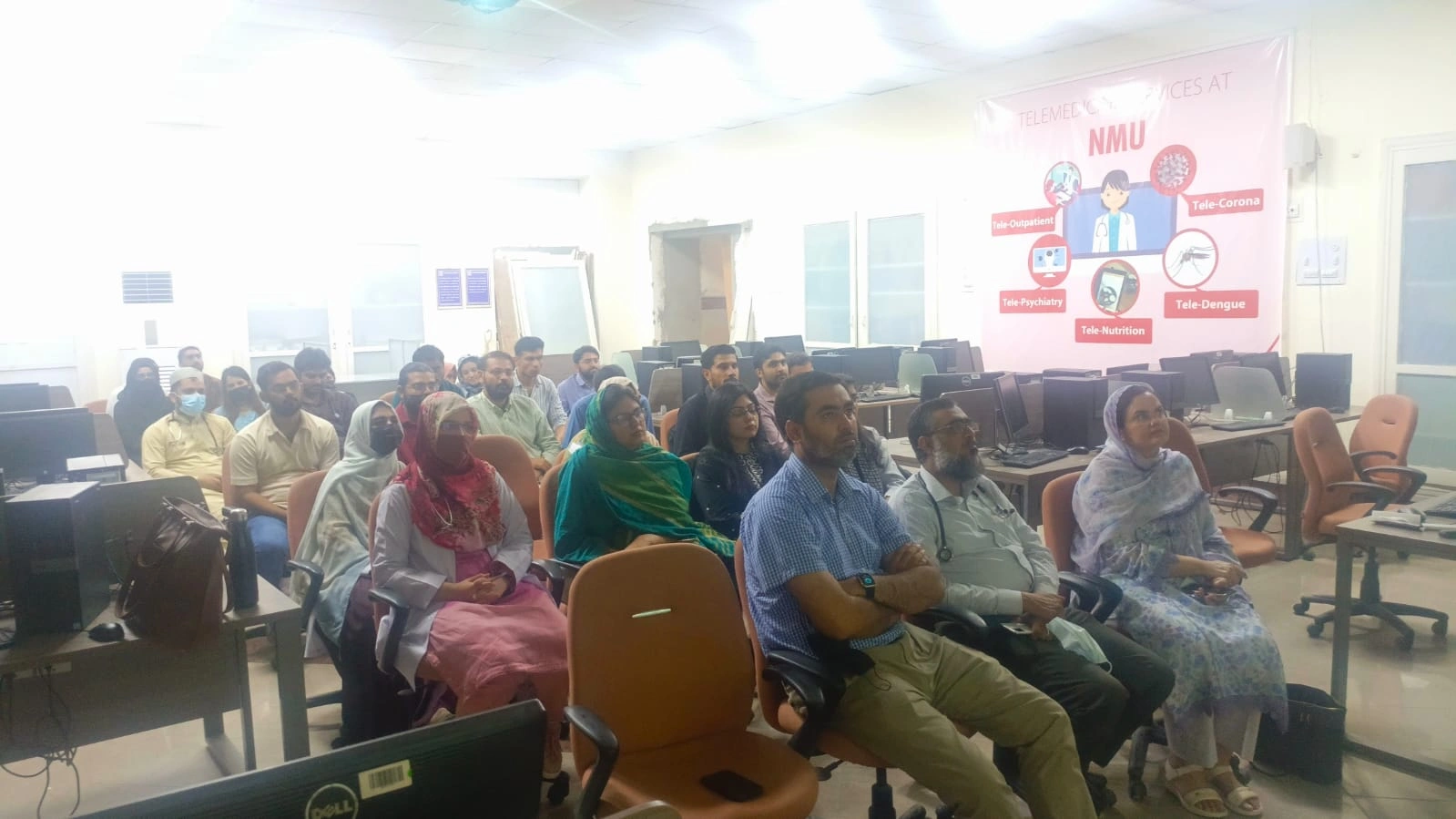
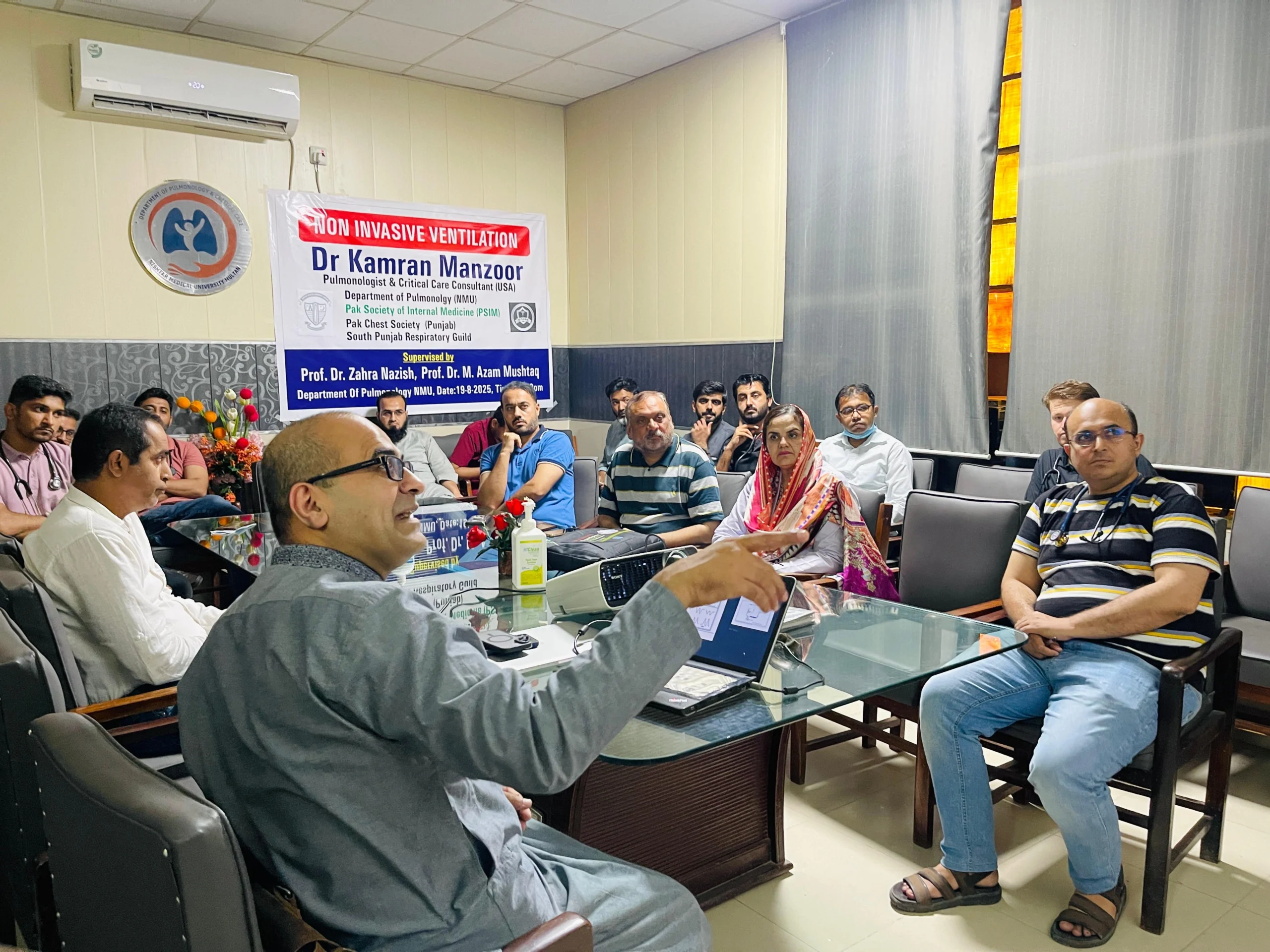
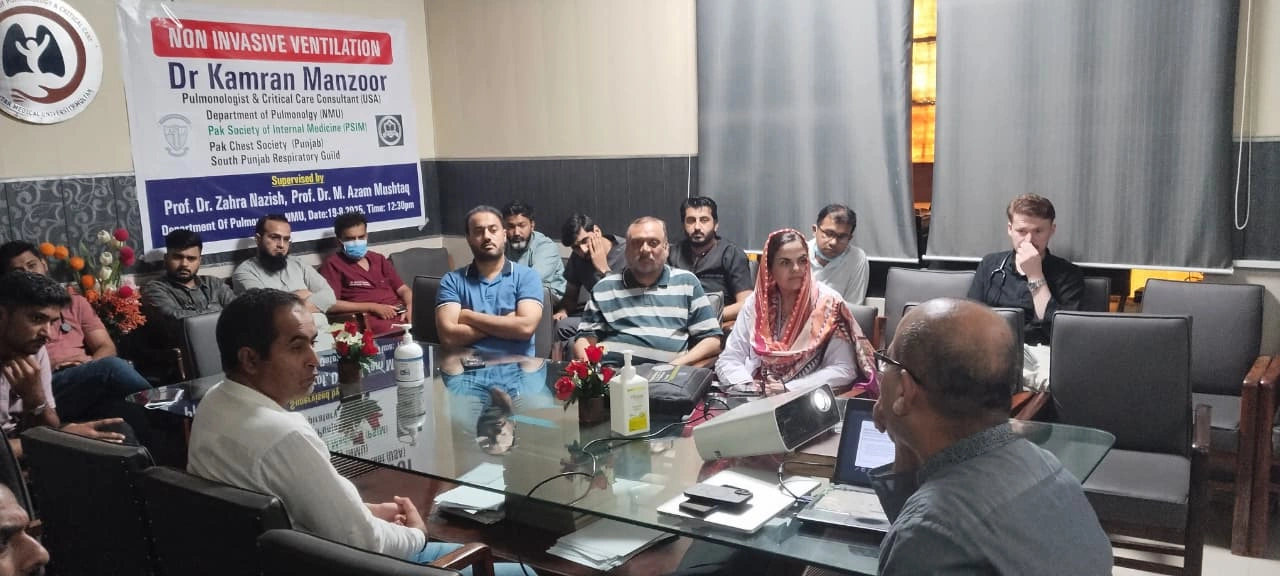
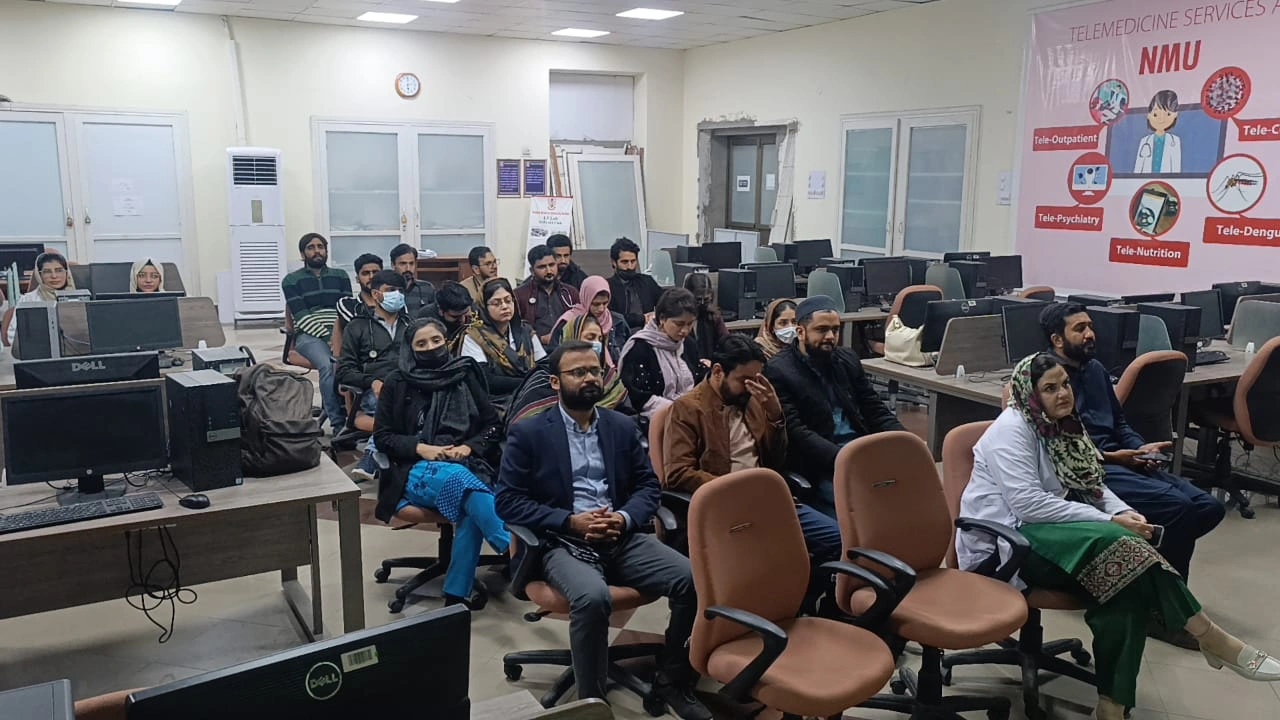
Trainings & Worshops
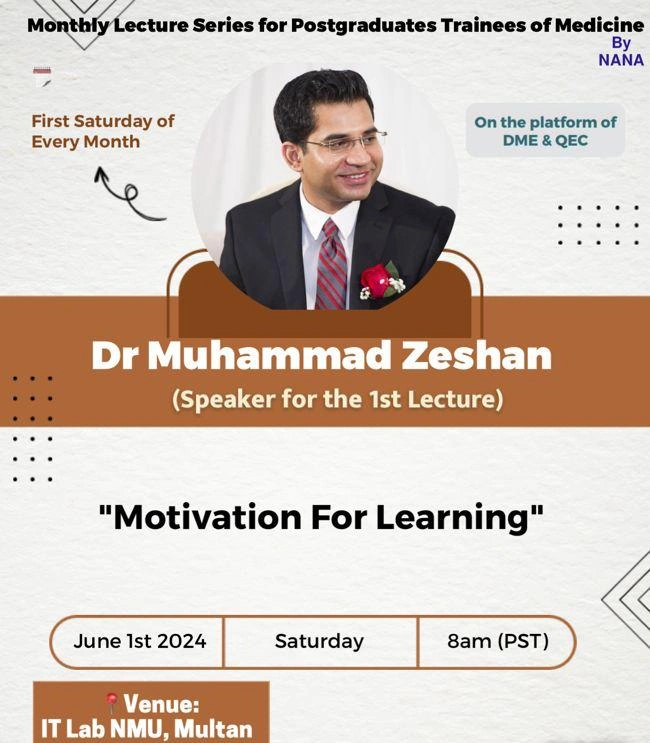
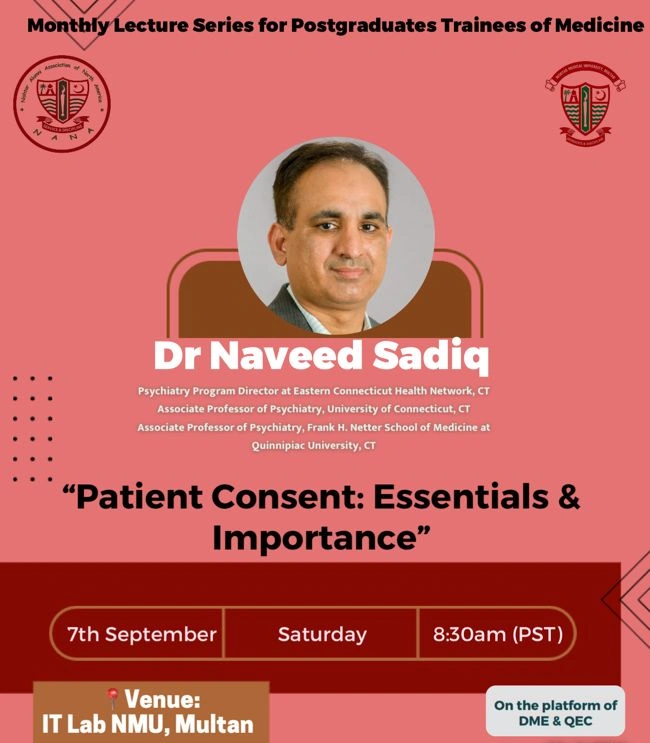
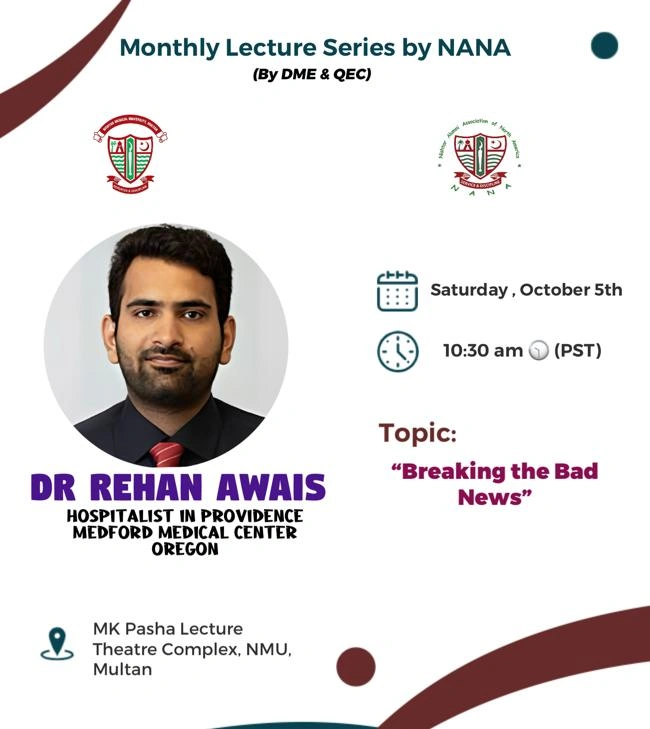
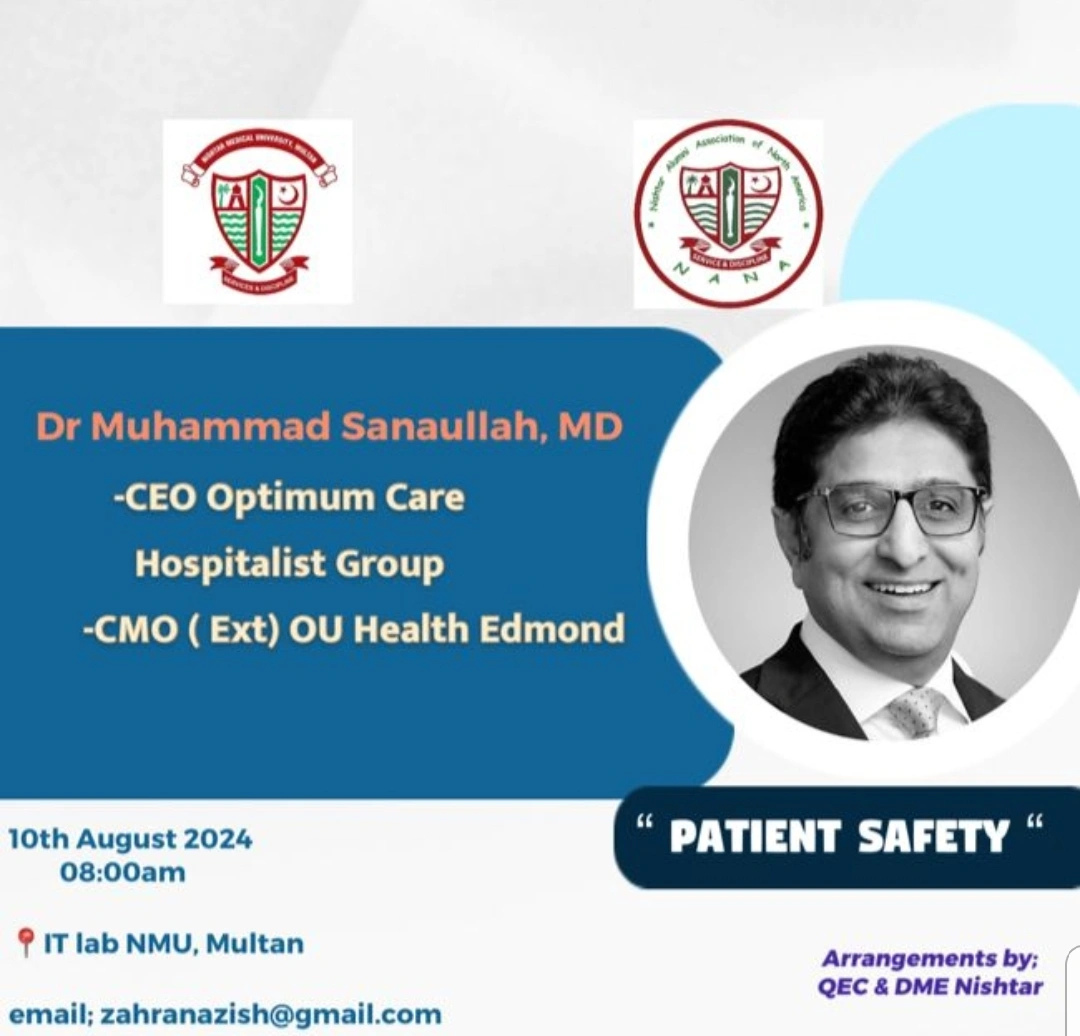




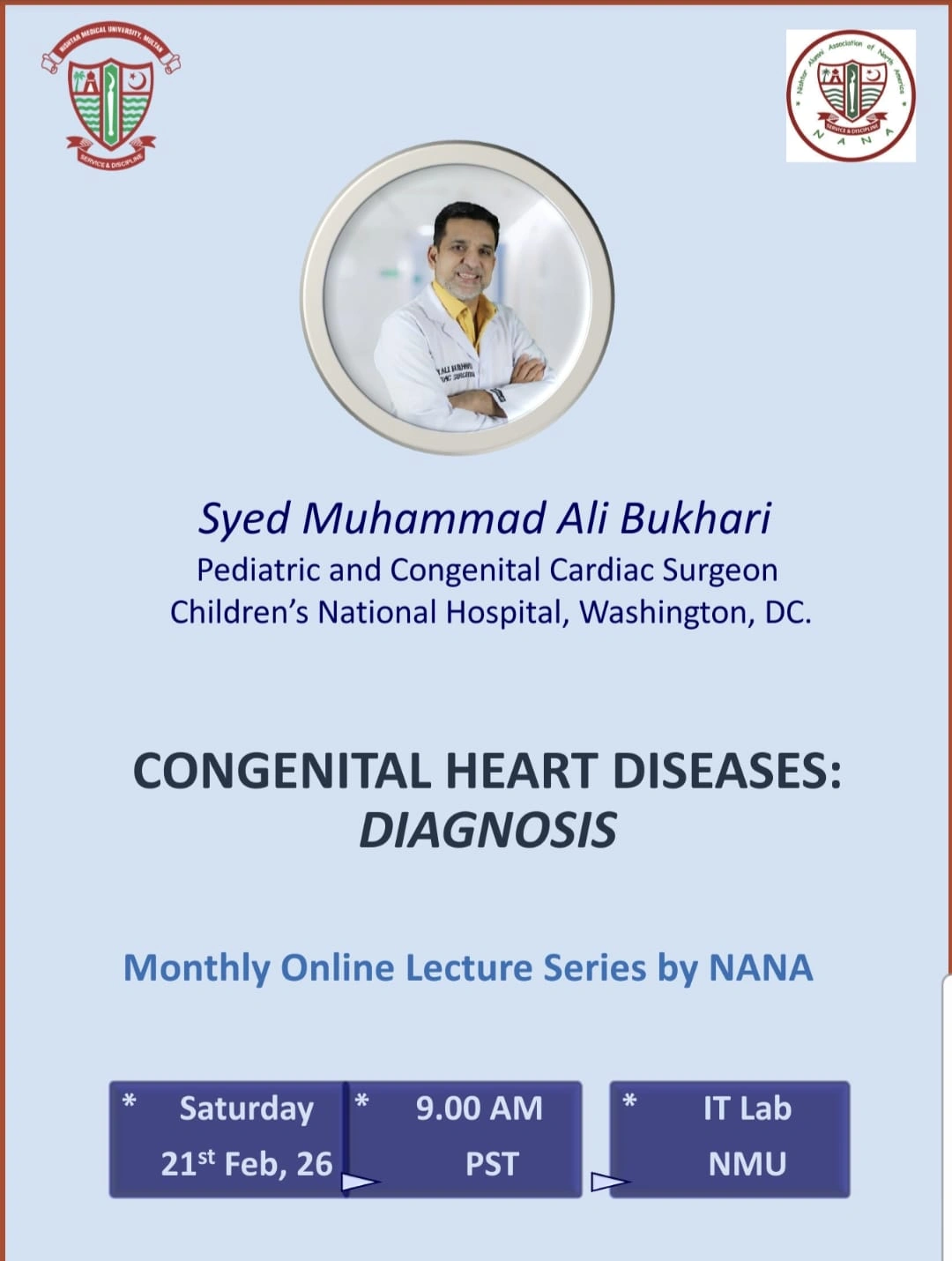
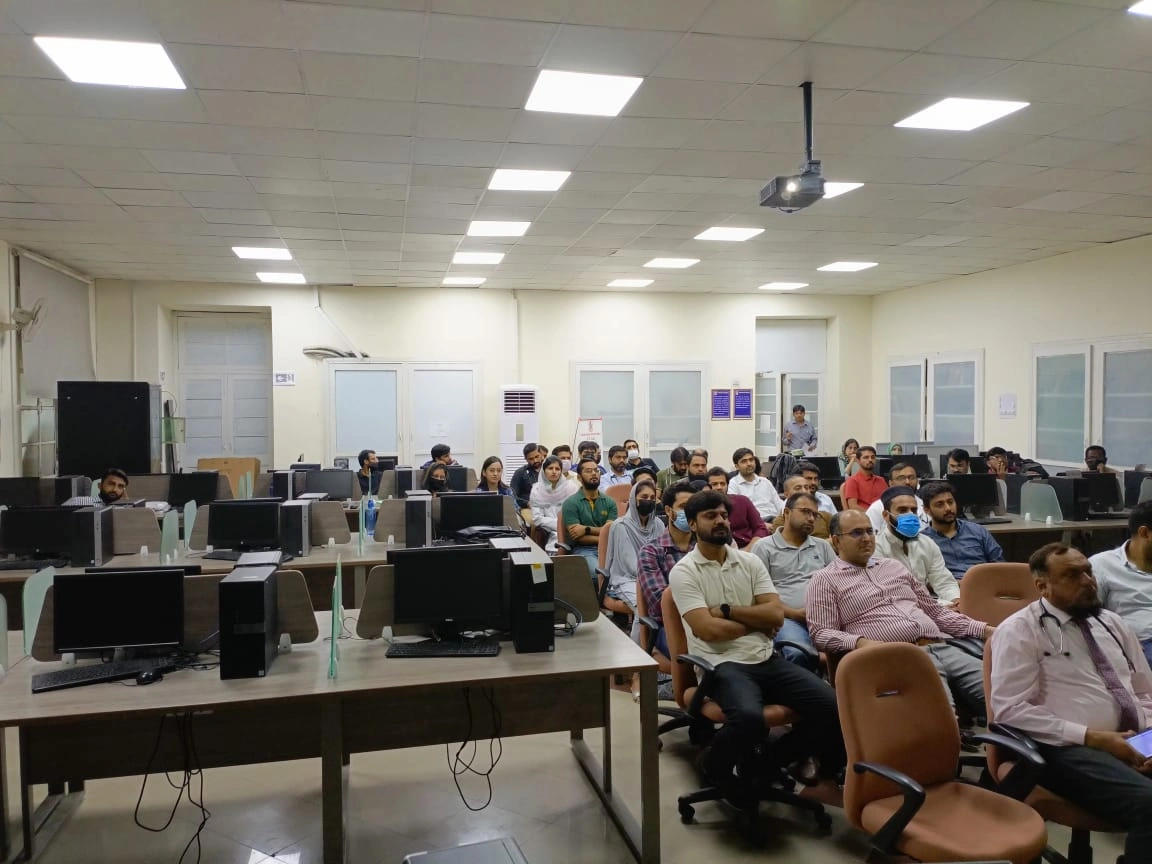
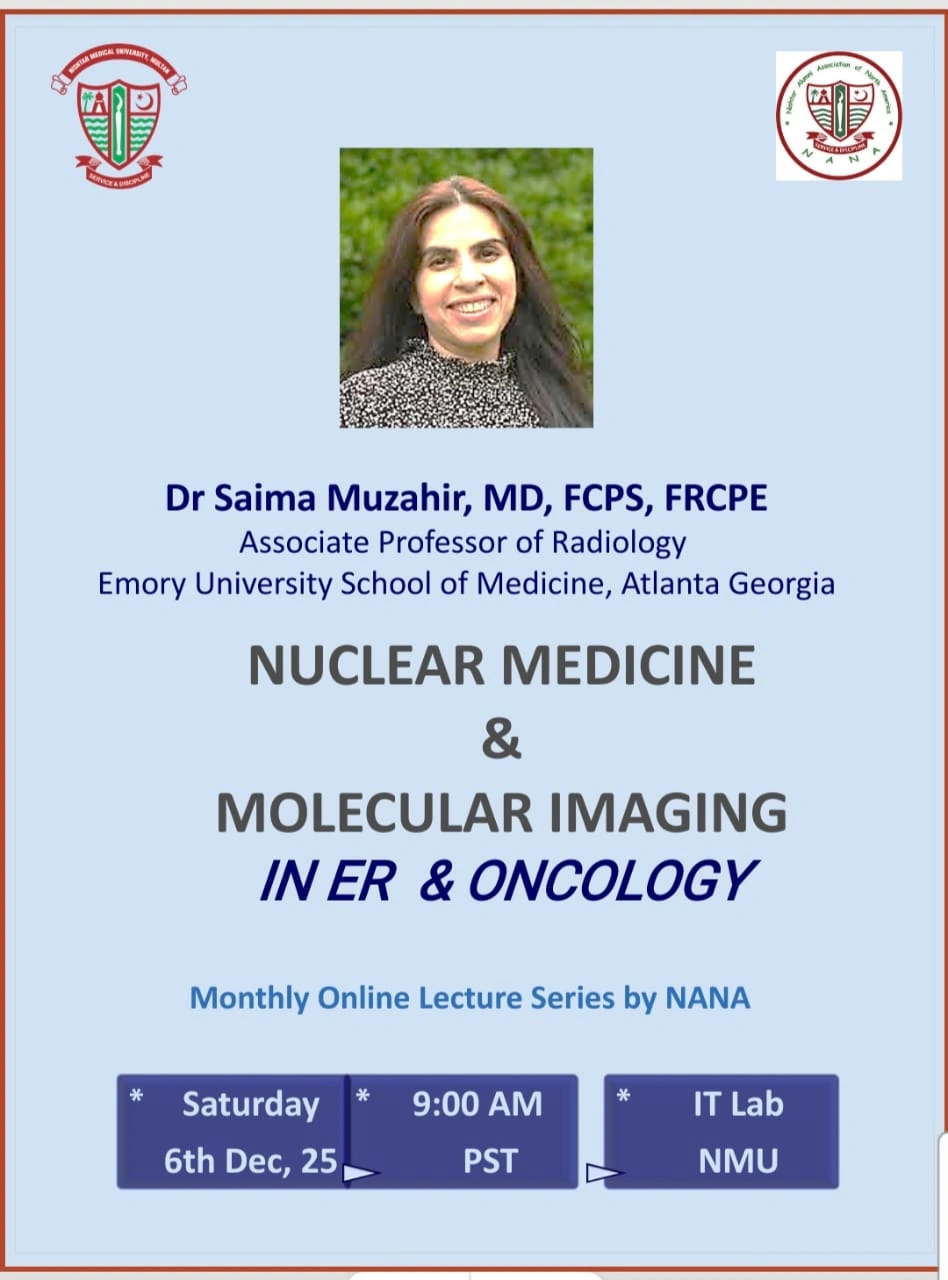
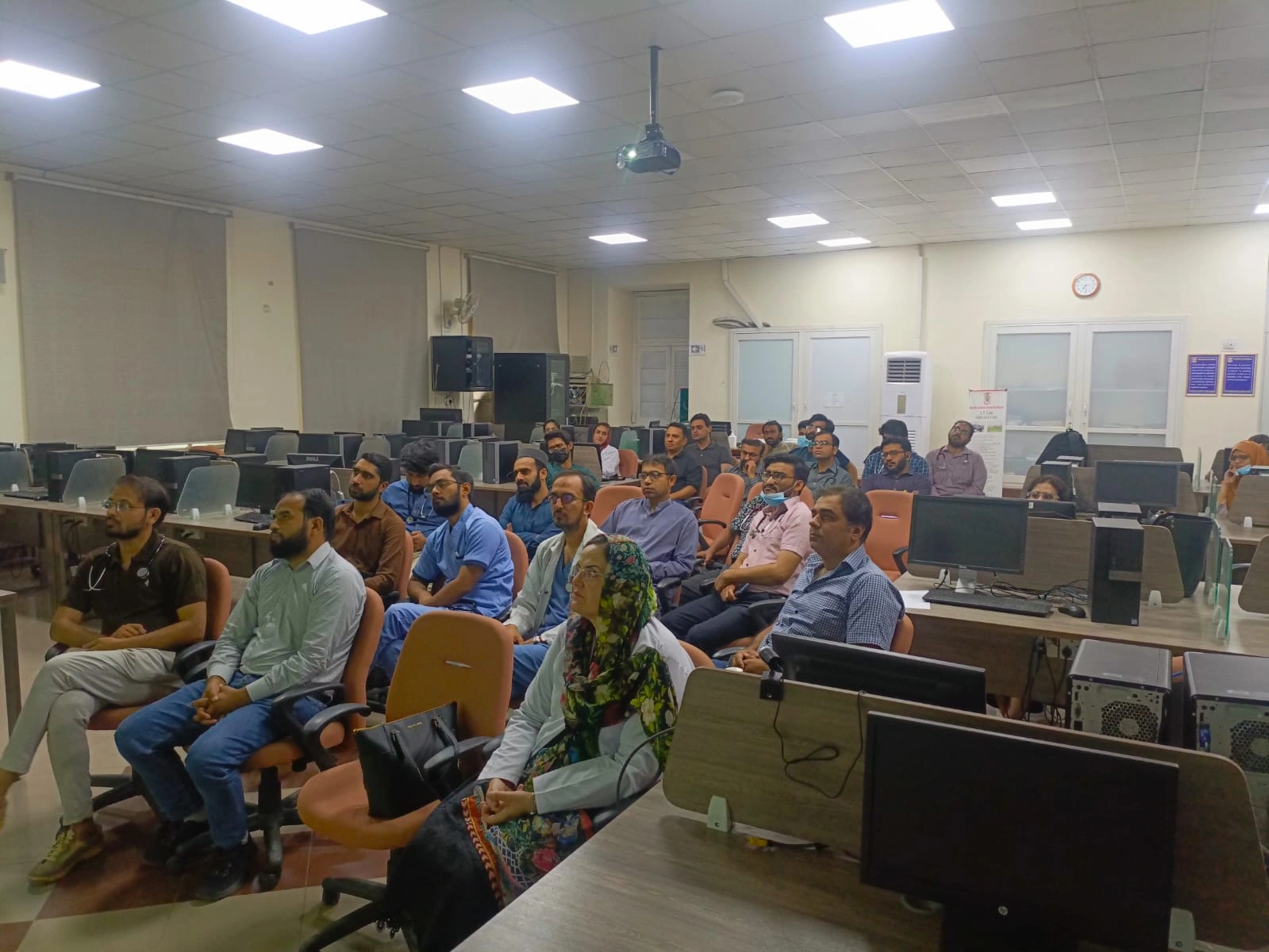
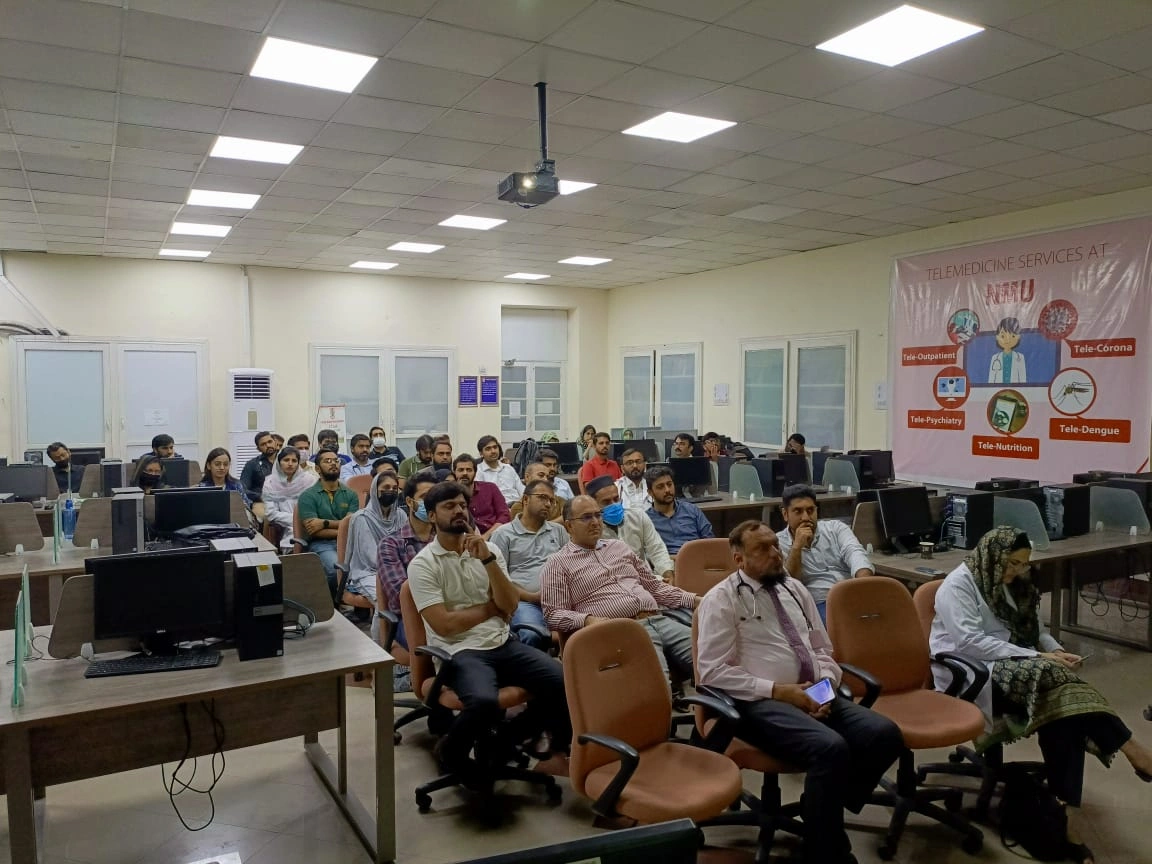
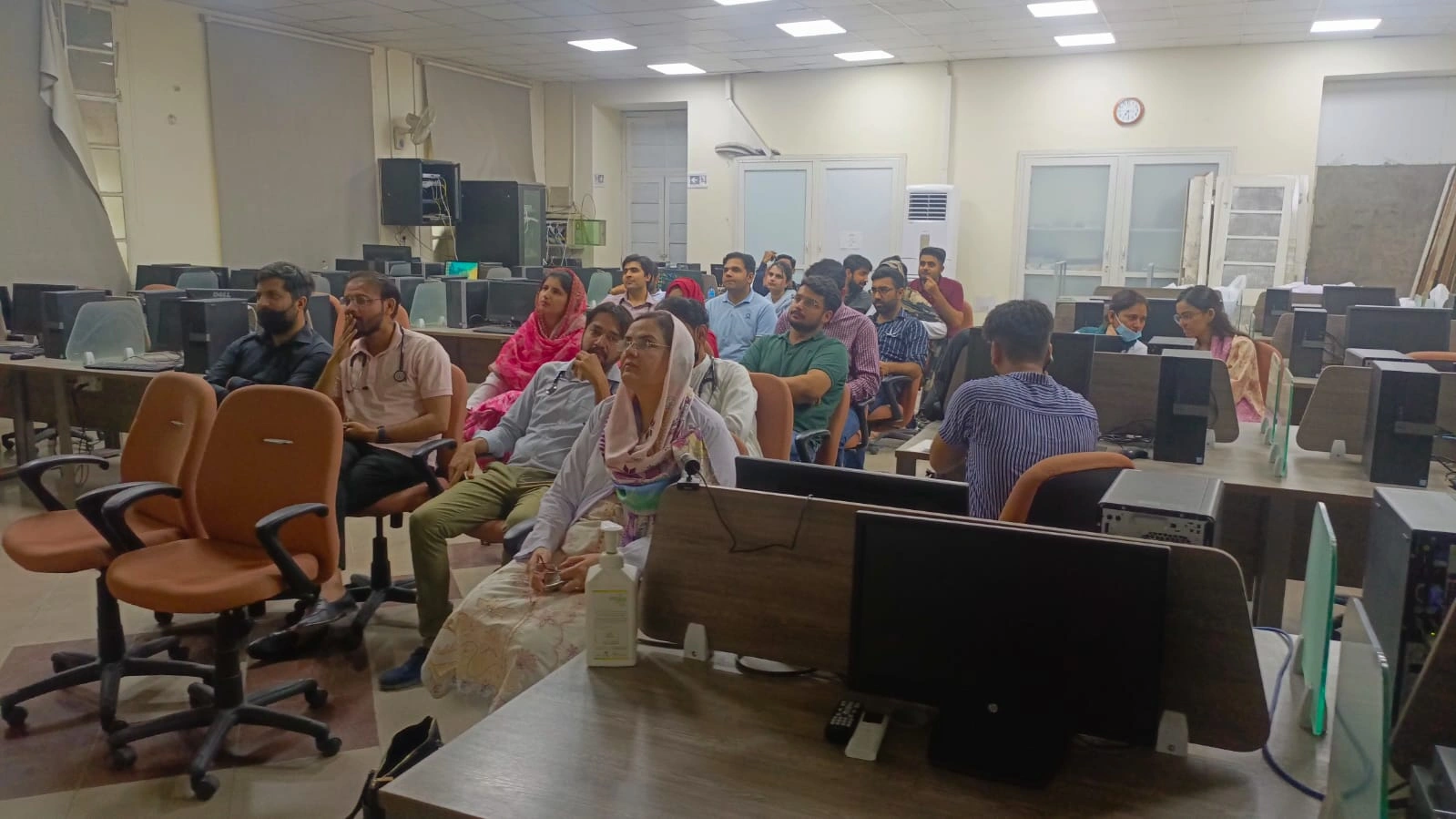
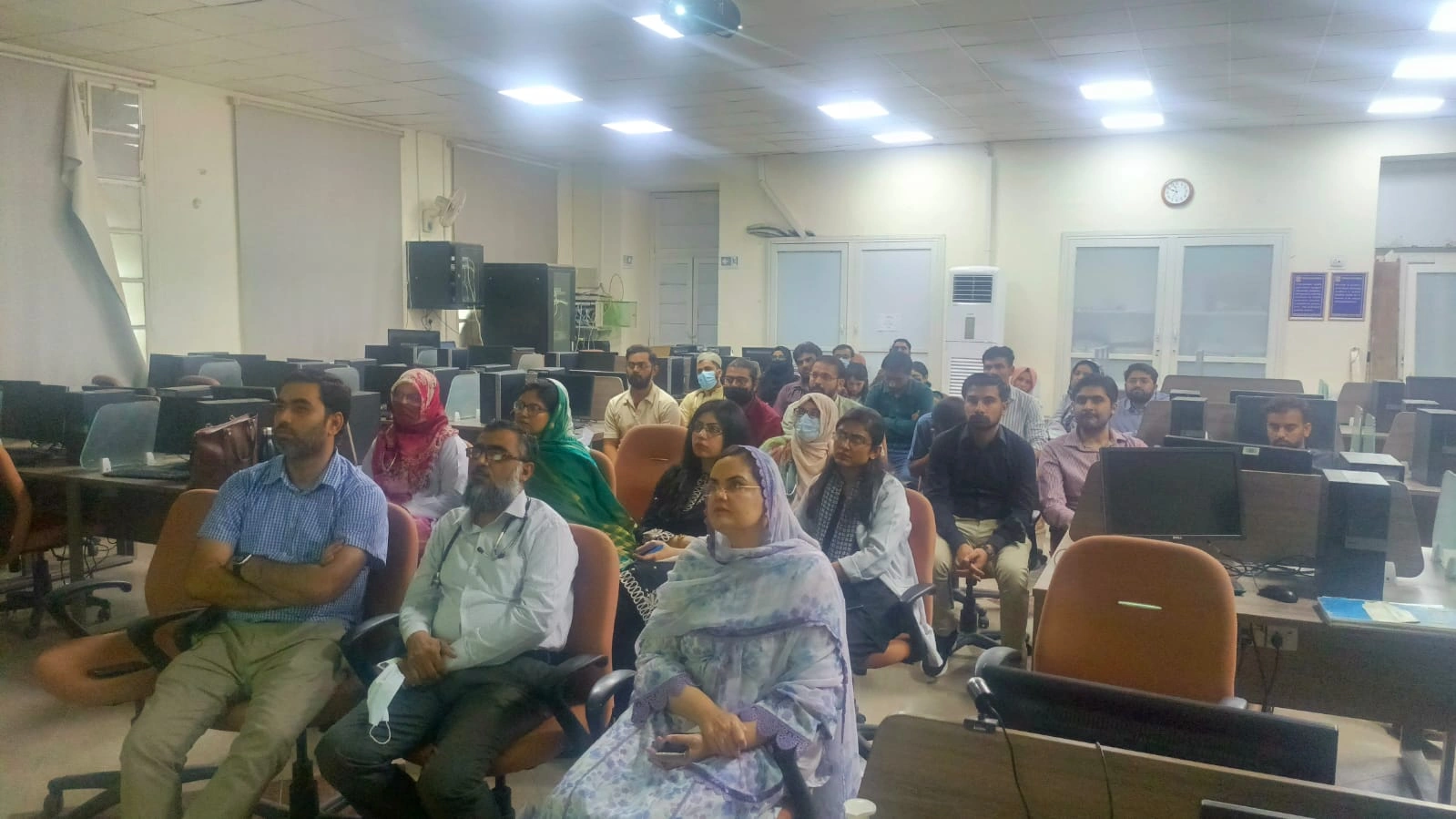
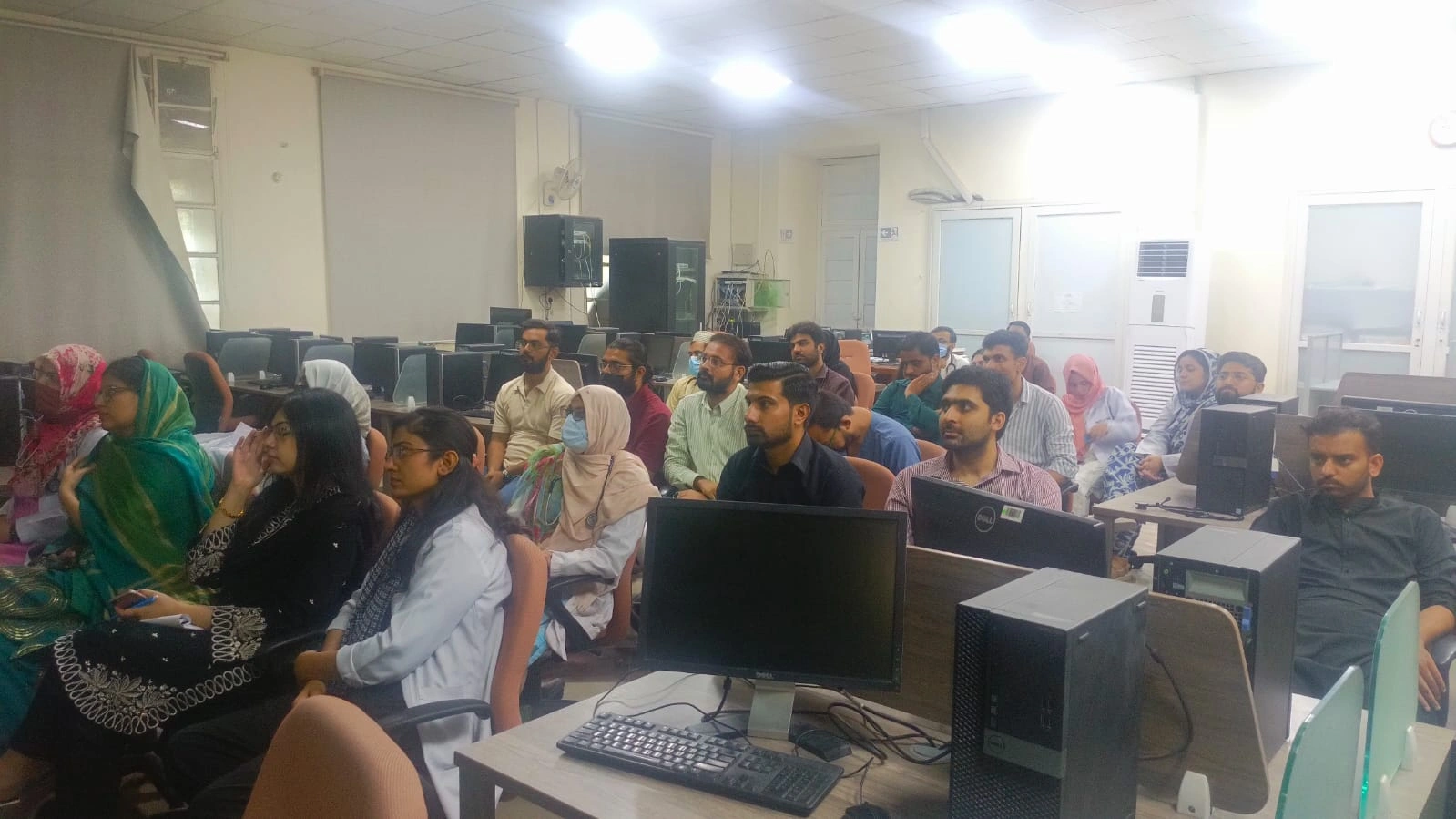
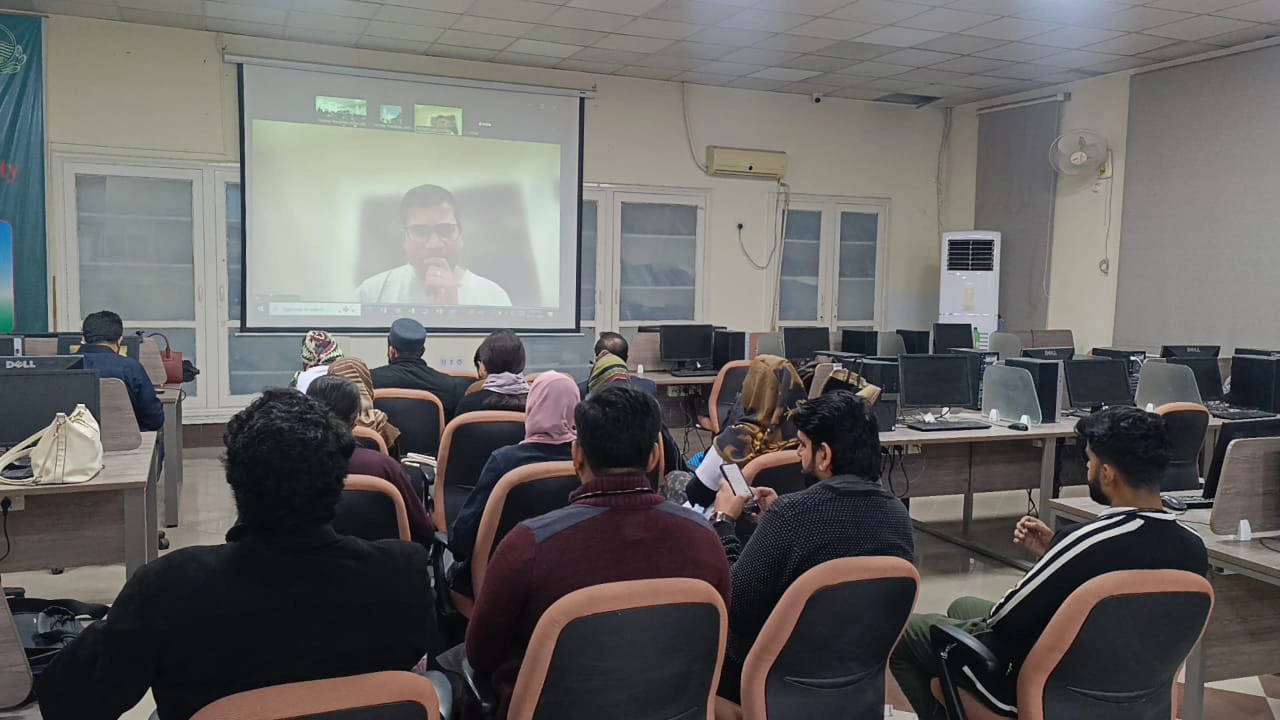
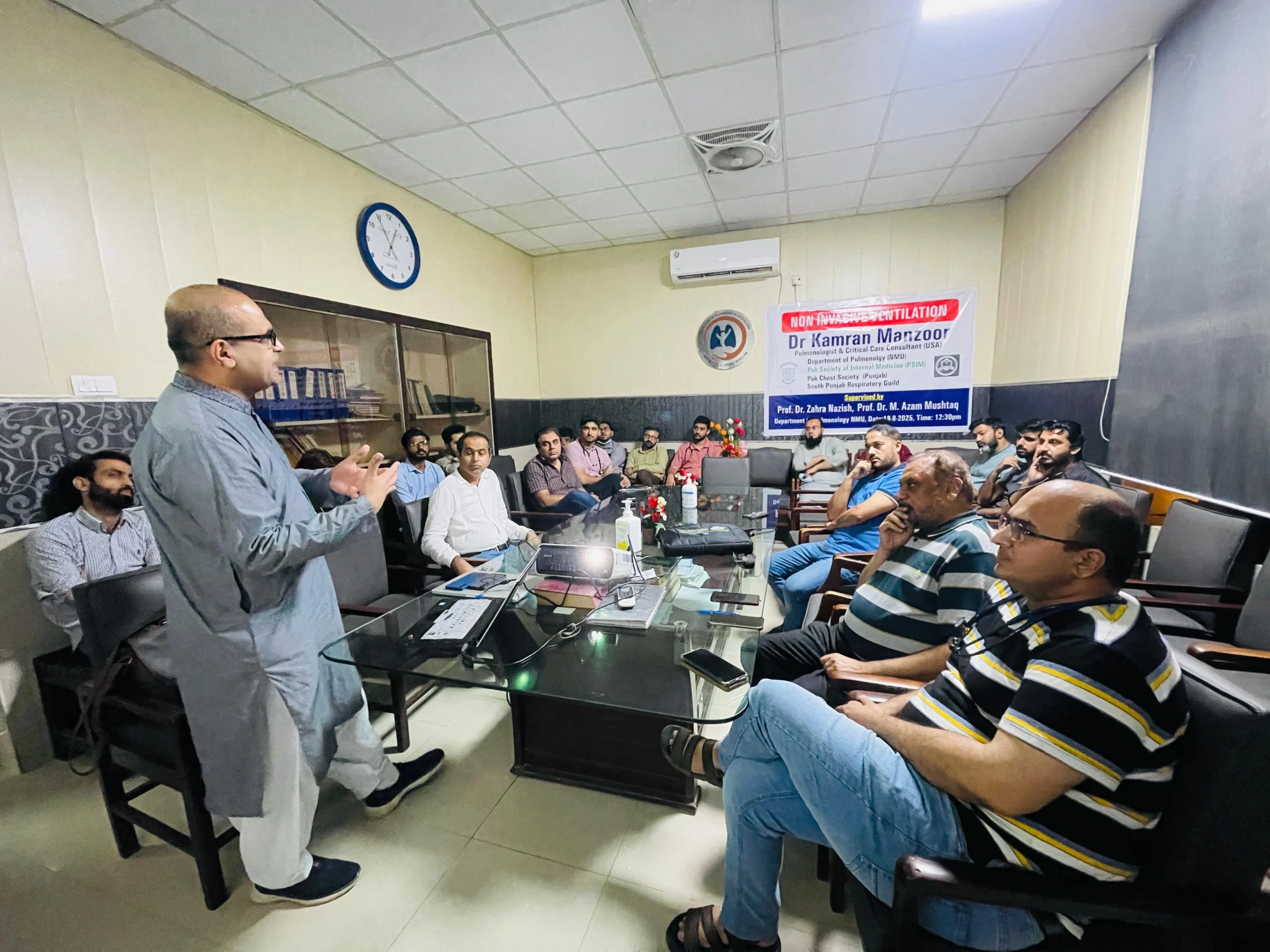
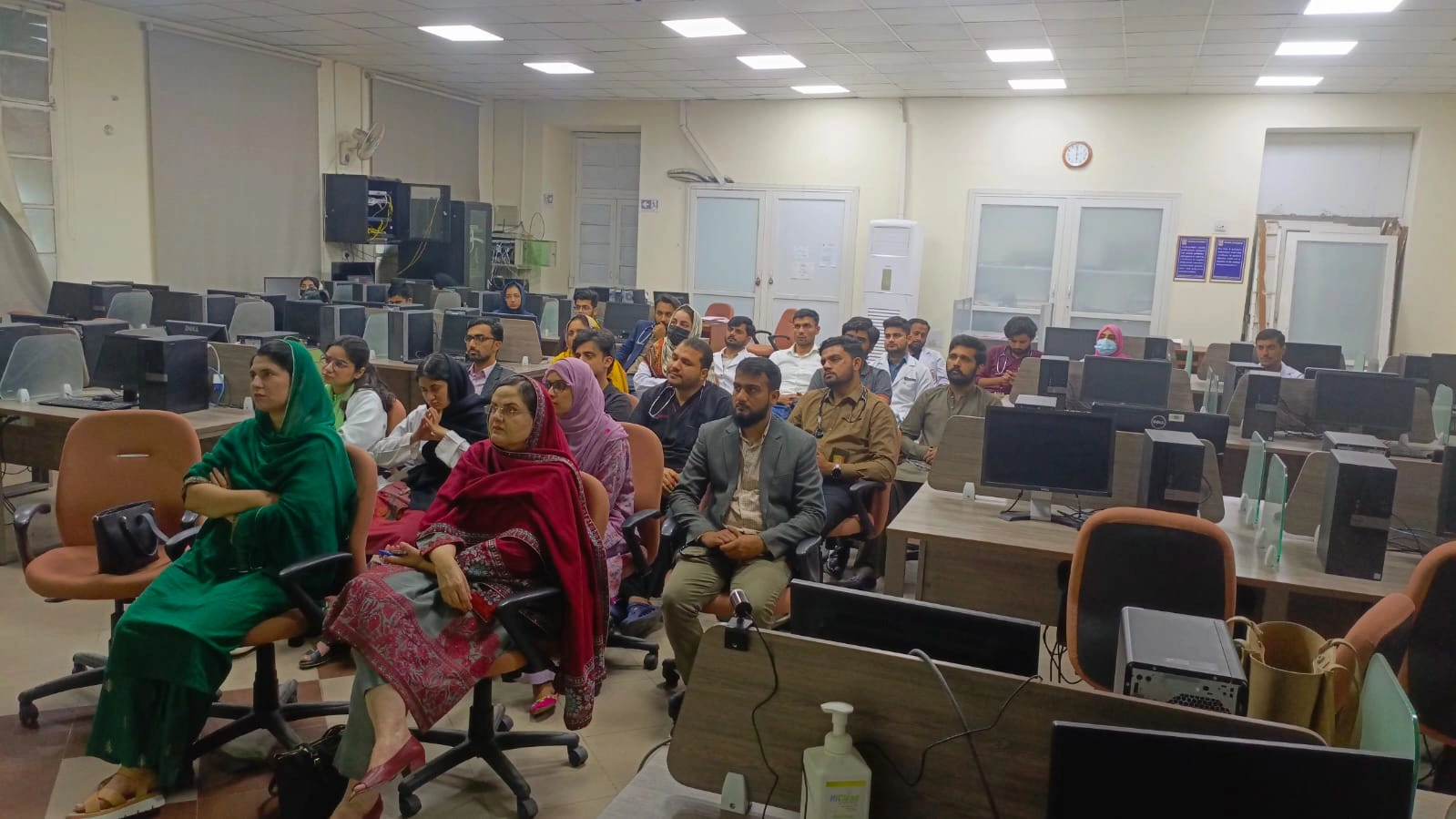
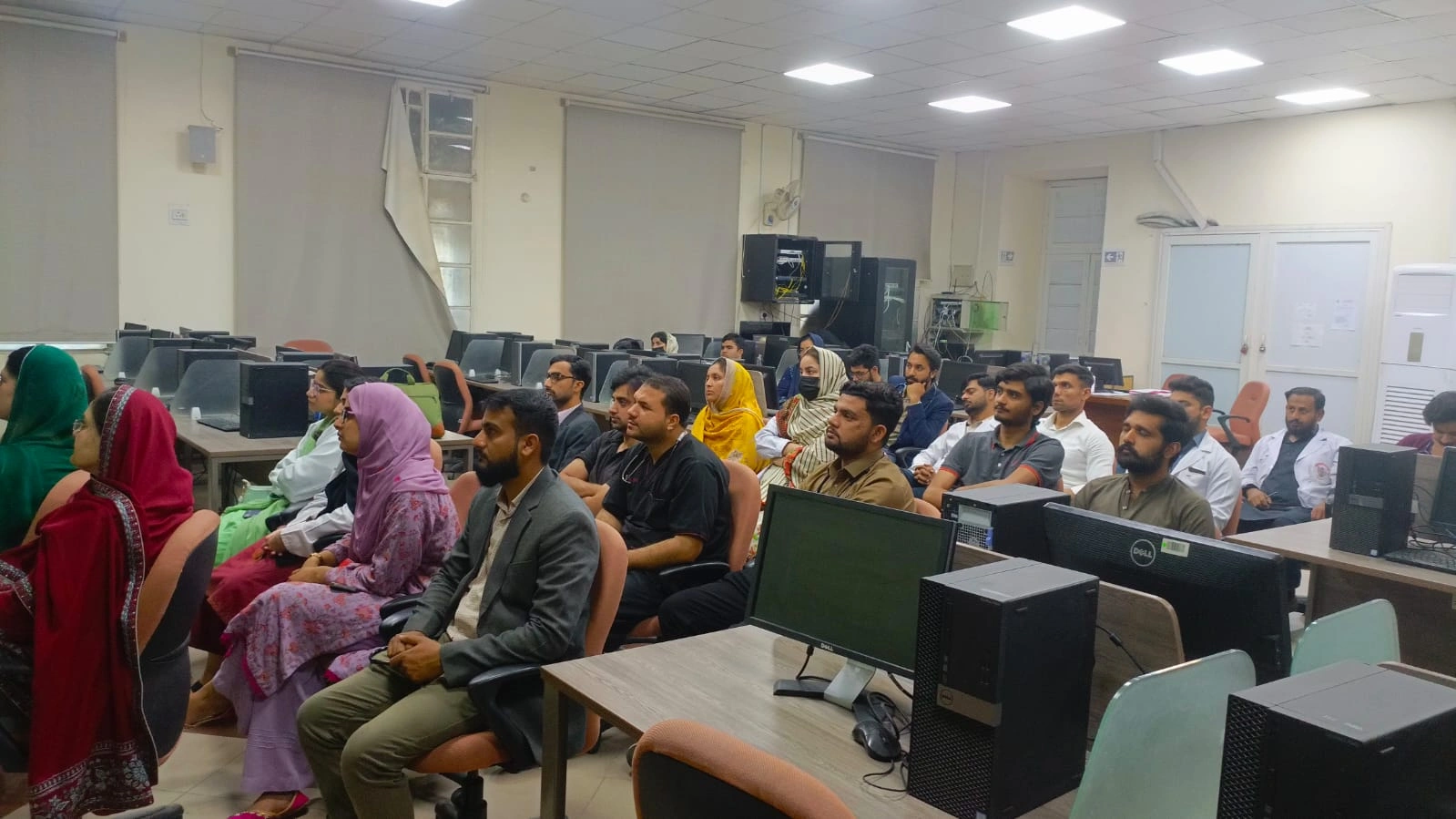
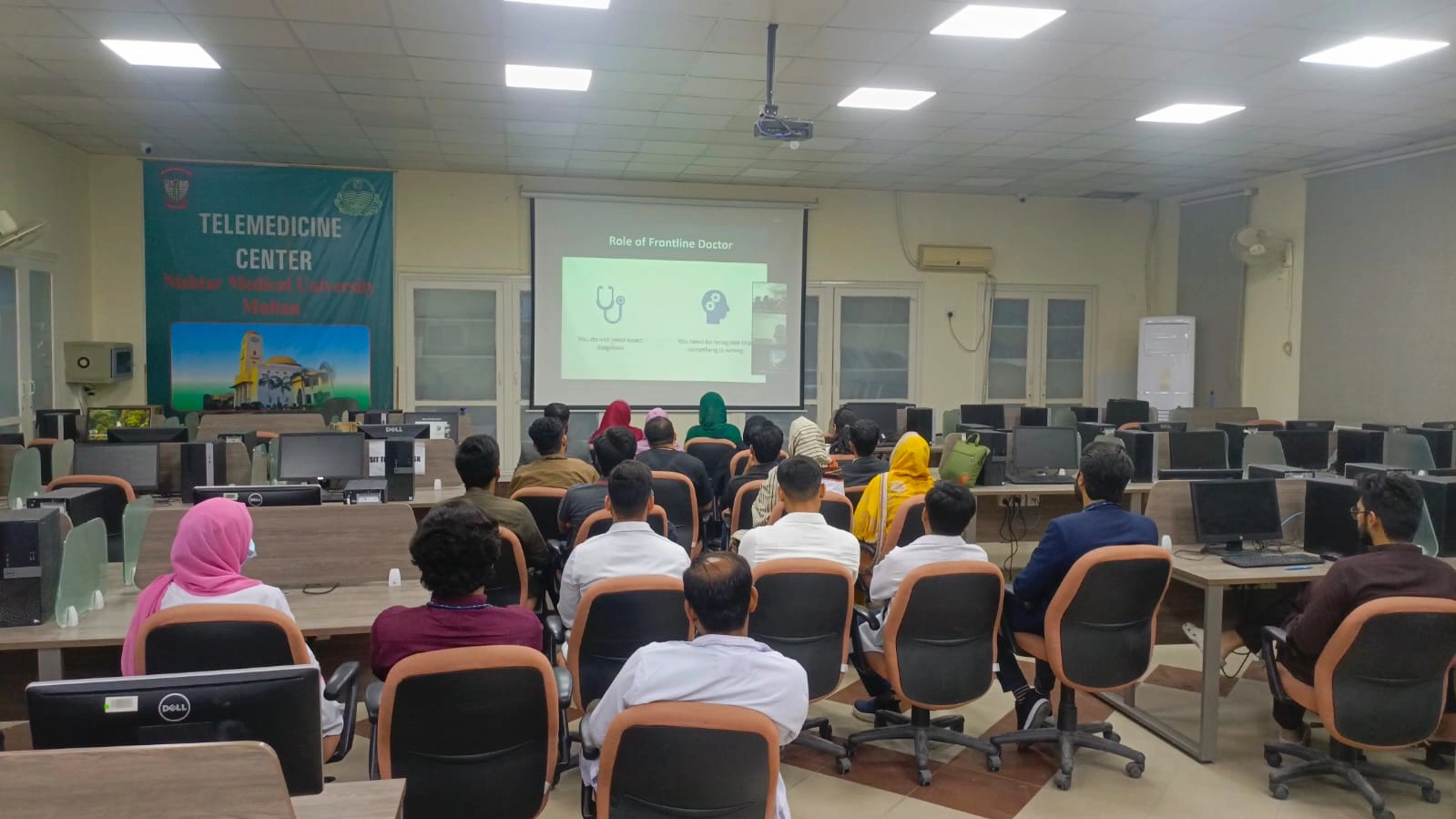
Definition of Quality:
Quality can be defined as the means through which an institution can guarantee with confidence and certainty, that the standards of its educational provision are being maintained and enhanced.
- Quality assurance is used as common denomination for a variety of mechanisms intended to control, guarantee and promote quality in higher education institutions.
- It is a developmental aspect of higher education, and, therefore, will never be achieved in total.
- We often consider graduates as the end product/output of education. It is not about just the Output but about the Outcome of higher education institutions that matters in today’s market economy.
- The number of graduating students is the output, while the QUALITY of graduates is the OUTCOME, in other words, the competency of a graduate makes him/her useful to the society.
Quality Assurance is one of the following three pillars of education upon which the whole structure of Higher Education in Pakistan will be based.
- Access
- Quality
- Relevance
Increasing access to higher education without enhancing its quality and relevance to the needs of the country cannot be expected to achieve the goal of a knowledge based economy
- It is a common belief/perception that majority of the Pakistani universities do not meet the international standards of higher education
- We have to accept Quality assurance as a challenge, which cannot be met without enhancing the quality on sustainable basis
- Quality Assurance is an activity carried out at two levels i.e. External & Internal
- External Quality Assurance (also called as accreditation) is carried out by regulatory/professional bodies at the national level to ensure the minimum performance level of educational programmes and institutions, in this case the HEC.
- Internal Quality Assurance is an internal and integral part of the institution’s administration and management systems.
- It implements a set of policies, programmes and procedures set-up by an institution.
HEC Quality Measurement Tools
- FACULTY SATISFACTION LEVEL : As required by Higher Education Commission, All members of The Program Faculty will assess their respective Program according to following criteria. The Program Director will report the findings in the Annual Monitoring Report. (ANNEX-II)
- STUDENT SATISFACTION LEVEL: As required by Higher Education Commission of the students of the Program will give their feed back according to following criteria. The survey will be conducted each year. The Program Director will report the findings in the Annual Monitoring report (ANNEX-III)
- ALUMNI SATISFACTION LEVEL :As recommended by Higher Education Commission the purpose of this survey is to obtain alumni input on the quality of education and the level of preparation they had at Nishtar Medical University. The Program Director will conduct this survey and throughout the year and carry out analysis of the opinion received at the end of the year and include in the Annual Monitoring Report. (ANNEX-IV)
QEC Processes:
The academic standards are developed and arranged as predetermined and explicit levels of achievements that must be reached by the students, the learning facilities and environment must be arranged by the institution and the procedures must be administrated efficiently and effectively by different persons and bodies in the university.
The Quality Assurance is therefore carried out in three (03) cycles.
- Monitoring:Continues monitoring of the Program by the Program Director, resulting in Annual Monitoring Report. The monitoring report is based upon the report of the program director regarding experience of running the program, the problems that were encountered and the problems which could not be solved. This is carried out every year. The assessment of each resident is carried out by evaluating the residents at 360 degrees in the light of the Portfolio given at 1.3. To assess the students and residents of the clinical programs according to the six (6) elements of the portfolio at 360 degrees, opinions are also obtained from the patients, peers, nurses, paramedics and others who are related to the program. This is the internal evaluation of the student/resident by the Program Faculty as coordinated by the Program Director that decision is made for granting progression to the next year.
- Internal Review:This is a Peer Review and is conducted by a Peer Review Committee constituted by the University comprising of two (02) teachers of the same specialty of the program, who are not members of the Program Faculty Committee these members may be preferably from outside the University if available. The Program Director will assist the Peer review Committee to carry out the review.The cycle 2 is carried out every three (03) years.
- External Review:Accreditation or External Review The quality review is carried out by external reviews appointed by a Non Governmental Accreditation Body, Board or Council which do not run, manage or administer any such/similar program. This cycle will be repeated every five (05) years, and the university makes all Accreditation reports available to the public. KEMU will be prepared its Monitoring Reports and Internal Review Reports of each Program to offer them to the External Review to obtain the Accreditation.
Silent Features
Silent Features
National / International Recognitions:
Collaboration With International Universities:
Affiliated Institutes/Schools/Centers:
- College of Nursing
- Allied Health College
- Nishtar Medical College
- Nishtar Institute of Dentistory
- Pak Italian burn center
- Pharmacy college
Attached Hospitals:
- Nishtar Hospital
- Nishtar hospital II
Faculties:
- Faculty of Basic Sciences
- Faculty of Medicine & Allied Specialties
- Faculty of Surgery & Allied Specialties
- Faculty of Nursing
- Faculty of Allied Health Sciences
- Faculty of Dentistry
- Faculty Of Pharmacy
- Faclty of Physioherapy
Faculty Of Basic Sciences:
- Anatomy
- Physiology
- Biochemistry
- Pathology
- Community Medicine
- Pharmacology
- Forensic Medicine
Faculty Of Medicine & Allied Specialities:
- Medical Unit I
- Medical Unit II
- Medical Unit III
- Medical Unit IV
- Cardiology
- Pulmonology T(.B. & Chest Medicine)
- Dermatology
- Neurology
- Paediatrics Medicine Unit-I
- Paediatrics Medicine Unit-II
- Psychiatry
- Oncology Department (Radiotherapy)
- Nephrology
- Endocronology
- Gastroentrology
Faculty Of Surgery & Allied Specialities:
- Surgical Ward I
- Surgical Ward II
- Surgical Ward III
- Surgical Ward IV
- Thoracic Surgery Ward
- E.N.T
- Orthopedic Surgery, Unit-I
- Orthopedic Surgery, Unit-II
- Anesthesia
- ICU & Pain Management
- Urology Unit
- Ophthalmology
- Obst. & Gynae Unit-I
- Obst. & Gynae Unit-II
- Obst. & Gynae Unit-III
- Neurosurgery
- NTU (Neuro Trama Unit)
- Paediatrics Surgery
- Plastic Surgery
- Oral &Maxillofacial Surgery
Faculty Of Allied Health Sciences:
- Allied Health Sciences
- Physiotherapy
Various UG/PG/Diplomas Programs Offered By NMU:
Undergraduate Programs:
- MBBS
- B.S. Programes
- B.S. (Orthotics & Prosthetics)
- B.S. (Medical Laboratory)
- B.S. (Anesthesia Technology)
- B.S. (Renal Dialysis Technology)
- B.S. (Dental Technology)
- B.S. (Radiotherapy)
- B.S. (Medical Imaging Technology)
- B.S. (Optometry & Opthoptics)
Postgraduate Programs
MD Programs:
- MD (Internal Medicine)
- MD (Pediatric Medicine)
- MD (Preventive Medicine)
- MD (Diagnostic Radiology)
- MD (Dermatology)
- MD (Clinical Oncology)
- MD (Cardiology)
- MD (Psychiatry)
- MD (Family Medicine)
- MD (Neurology)
- MD (Gastroenterology)
MS Programs:
- MS (General Surgery)
- MS (Obs. & Gynae)
- MS (Ophthalmology)
- MS (ENT)
- MS (Anesthesia)
- MS (Urology)
- MS (Paediatric Surgery)
- MS (Orthopaedic Surgery)
- MS (Plastic Surgery)
- MS (Cardiac Surgery)
- MS (Neurosurgery)
- MS (Thoracic Surgery)
Diplomas:
| 1. Anesthesiology (DA) | 2. Cardiology (DIP CARD) |
| 3. Dermatology (DIP DERM) | 4. ENT (DLO) |
| 5. Ophthalmology (DOMS) | 6. Medical Jurisprudence (DMJ) |
| 7. Gyne/ Obs (DGO) | 8. Child Health (DCH) |
| 9. Psychiatry (DPM) | 10. Medical Radiology (DMRD) |
| 11. Orthopedic (DOS) | 12. TB & Chest Medicine (DTC) |
| 13. Family Medicine (DFM) | 14. Public Health & Preventive Medicine ( DPH) |
| 15. Preventive Medicine (DPH) | 16. Preventive Pediatrics (DCCH) |
| 17. Clinical Neurology (DCN) | 18. Clinical Oncology (DCO) |
| 19. Pathology (DCP) | 20. Pediatric Surgery (DPD) |
| 21. Urology (DU) | 22. Oral & Maxillofacial Surgery (DMFS) |
2nd Fellowship Programs:
- Fellowship in Vitreoretina
- Fellowship in Paediatric Ophthalmology
- Fellowship in Movement Disorders
- Fellowship in Pediatric Nephrology
- Fellowship in Child and Adolescent Psychiatry
- Fellowship in Oculoplasty
Current Enrollment  Undergraduate Programs:
| Discipline | No. of Programs | No. of Students |
| MBBS (05 Years) | 01 | 1628 |
Allied Health Sciences
| 12 | 383 |
Vision Sciences (04 Years)
| 03 | 240 |
Current Enrolment  Postgraduate Programs:
| Discipline | No. of Programs | No. of Students |
FELLOWSHIP NMU 1. Vitreoretina | 03 | 14 |
| MD/MS/MDS | 26 | 359 |
| FCPS | 30 | 531 |
| Diploma | 55 |
No. Of Graduates:
| Discipline | No. of Students |
| MBBS (05 Years) | 16672 |
Allied Health Sciences
| 558 |
| 466 | |
FELLOWSHIP 1. Vitreoretina 2. Paeds | 19 |
MD/ MS / MDS | 225 |
| Diploma | 93 |
Research At NMU:
Nishtar Medical University also has its official Journal (jnmu.com.pk) which is published quarterly. As a multi-disciplinary journal published by the most renowned and oldest medical institute of Pakistan, Annals of NMU publishes the most relevant original research articles that form the foundations of tomorrow’s medicine in Pakistan and around the globe.
A brief portfolio of Annals of NMU, is as follows:
HEC category Y Journal;
International Audience
Blind External Peer Review Policy
50% Editorial Board and reviewers are from technologically advanced countries
Master Journal List by Clarivate Analytics
Has a Dynamic and up-to-date Website with all the original Full-Text Articles
Visibility / accessibility in more than 150 countries in Spatiotemporal distribution
496 Cites per author
Annals Of NMU Is Indexed On:
- Pakistan Medical and Dental Council
- Higher Education Commission (Category Y)
- Master Journal List Clarivate Analytics
- Pak MediNet
- EMRO Indexus Medicus of WHO
- Directory of Open Access Journal (DOAJ)
- ICMJE Database
- PKP Harvester Database
- CrossRef
- Google Scholar
- Open J Gate Database
- Index Copernicus
| Number of students who benefited from the university endowment fund during 2017 | 30 |
| Number of Impact factor Research Papers published during 2016-2017 | 23 |
| Number of international / local research conferences organized / held by the University during 2017 | 85 |
- Institutional Quality Circle Constitution
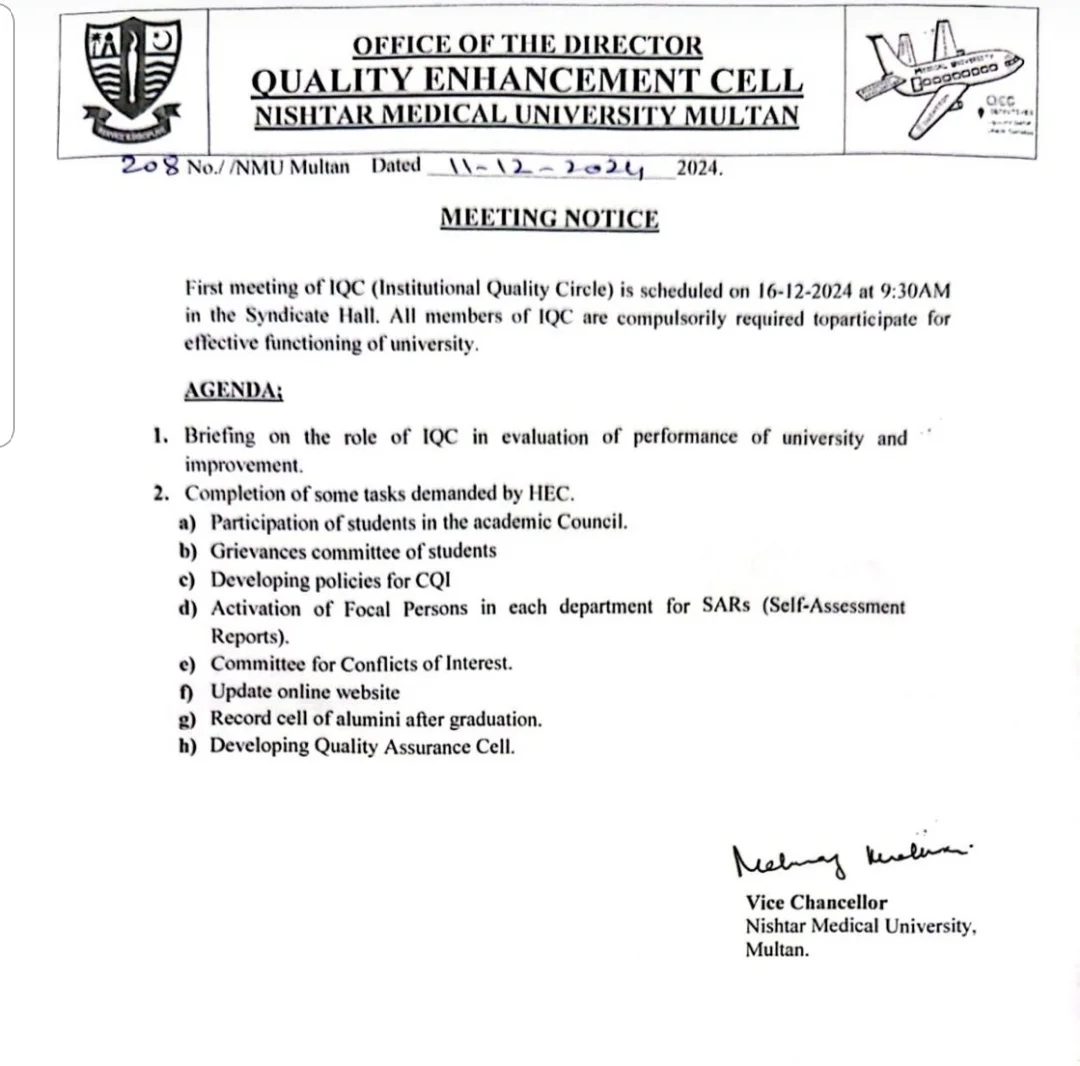
- Meeting Notice Breifing on the roll of IQC
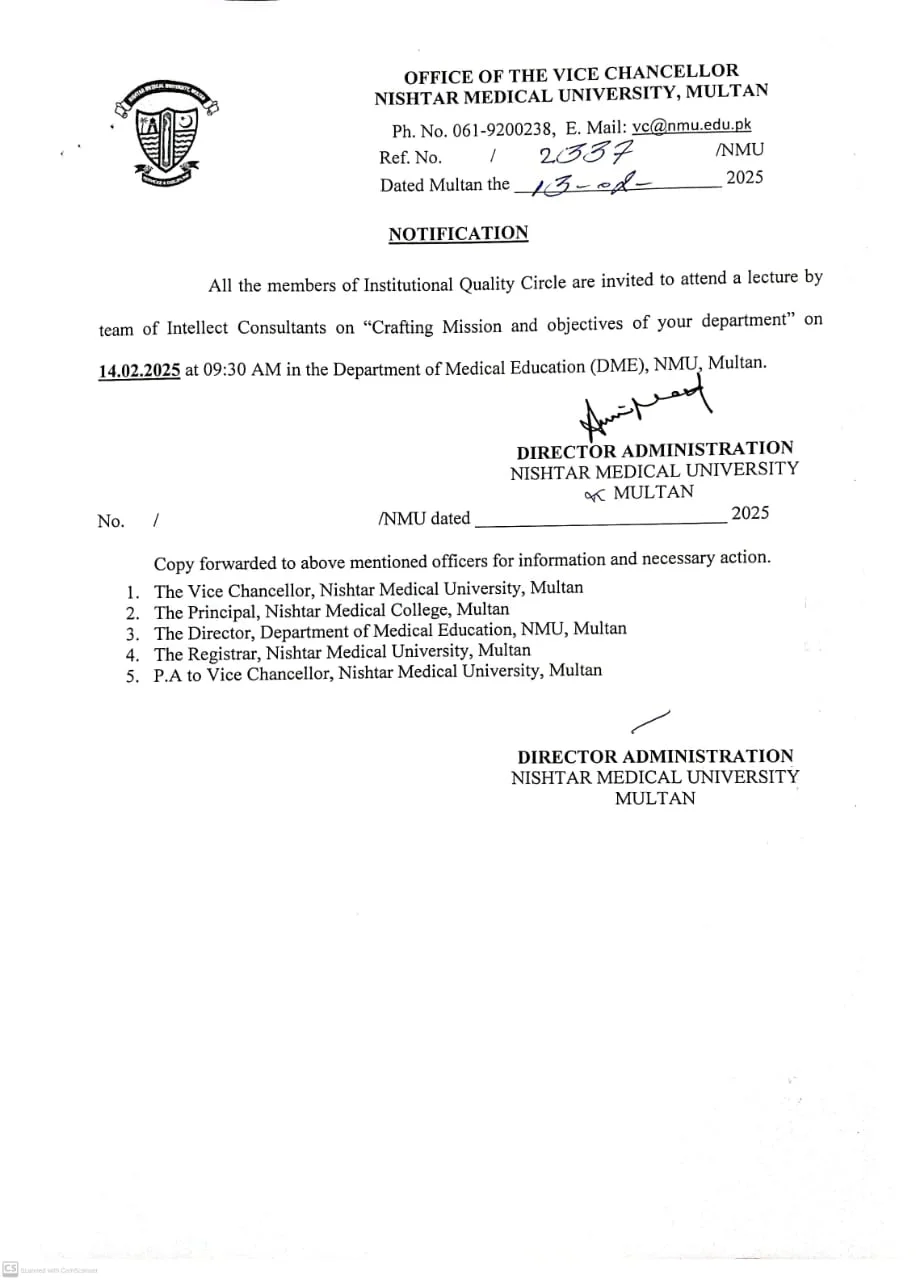
- Meeting Notice Crafting Mission and Objective of your department
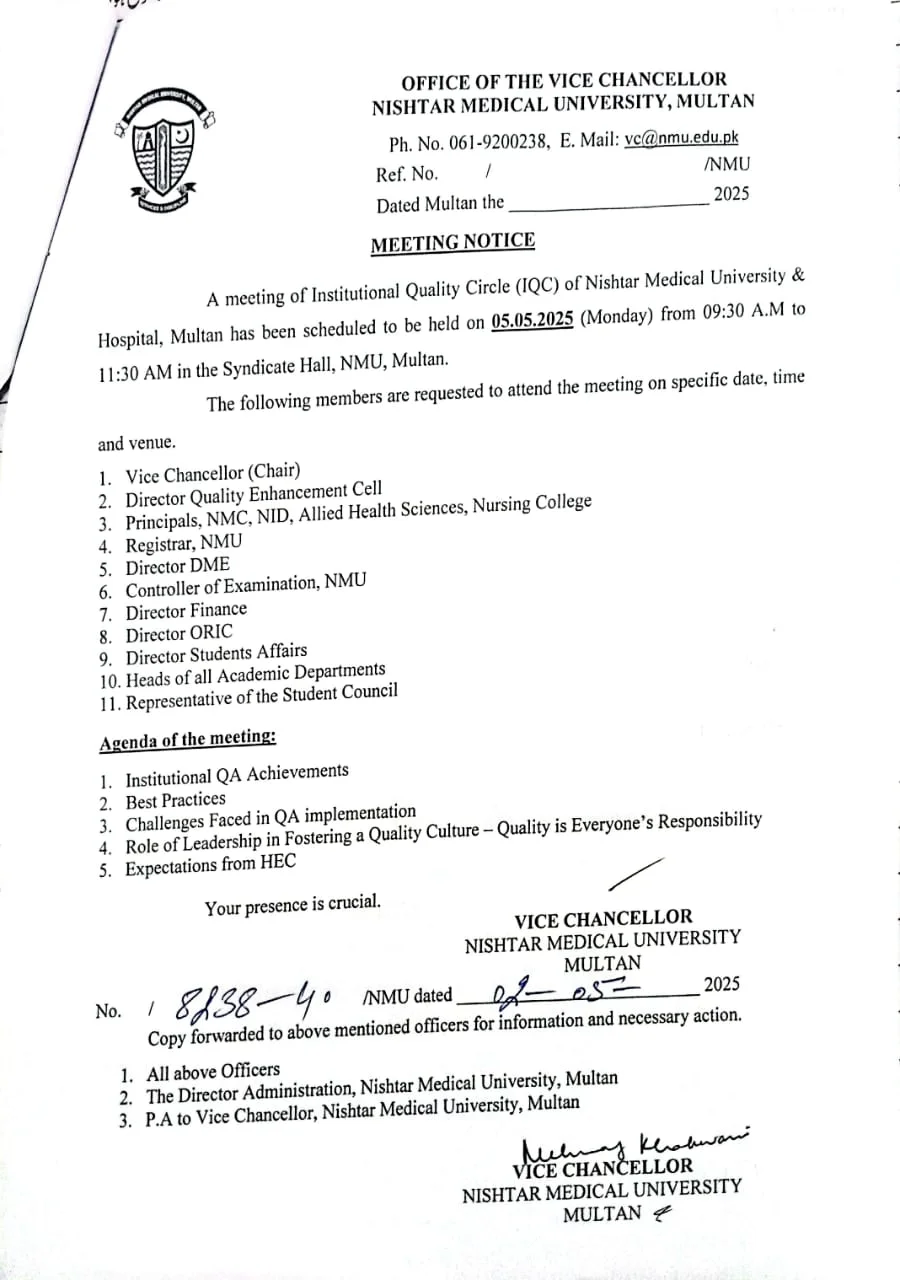
- Meeting Notice of Institutional Quality Circle
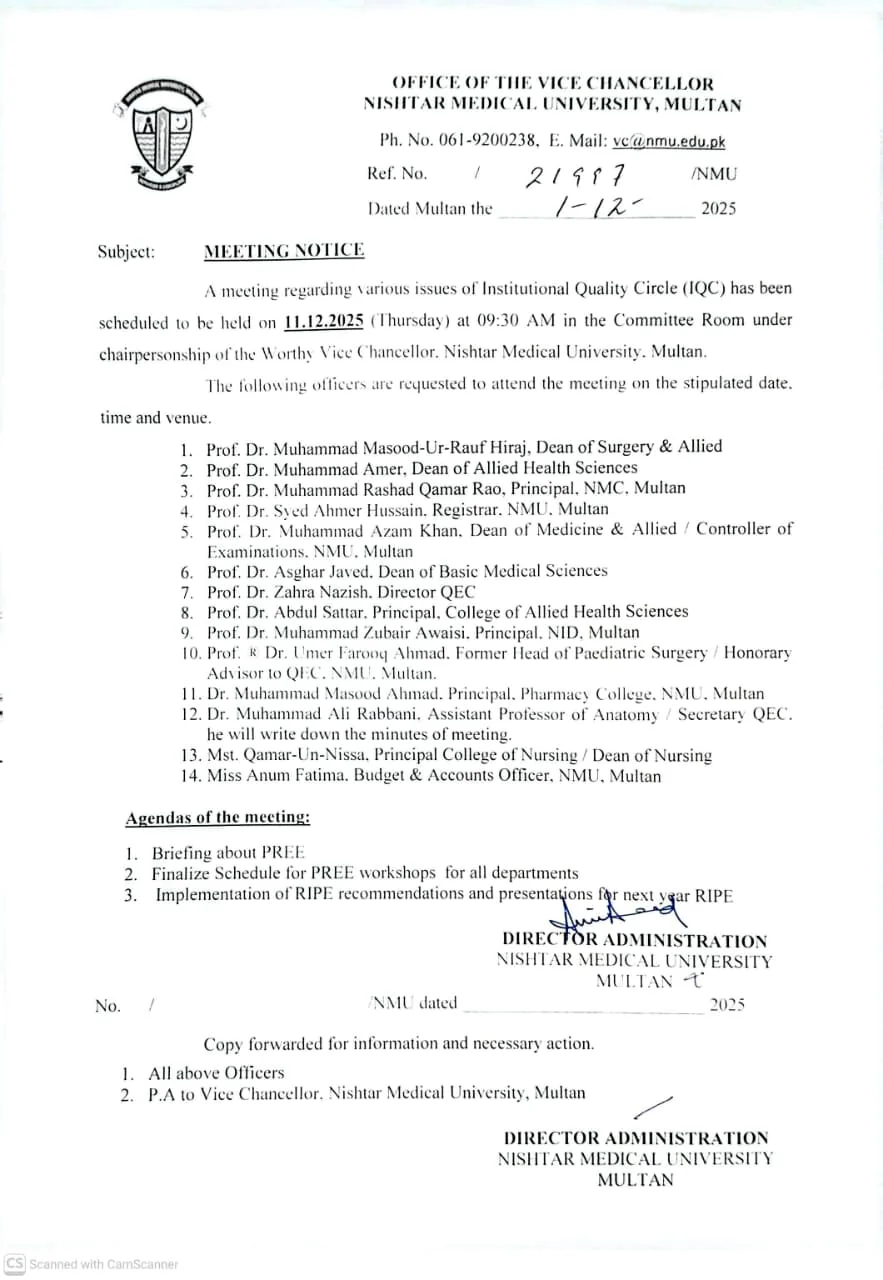
- Meeting Notice of Institutional Quality Circle 11-12-2025
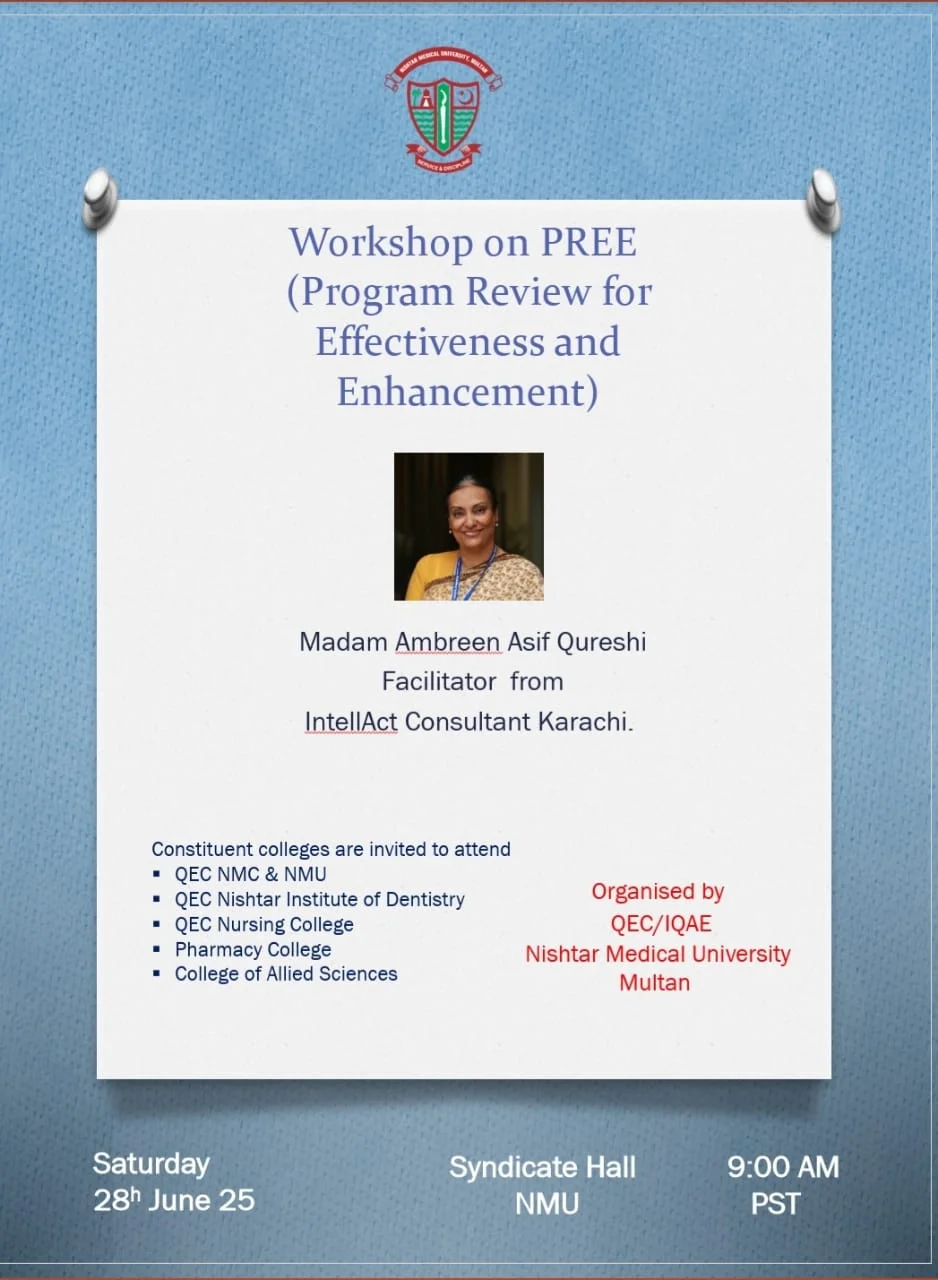
- Workshop on PREE
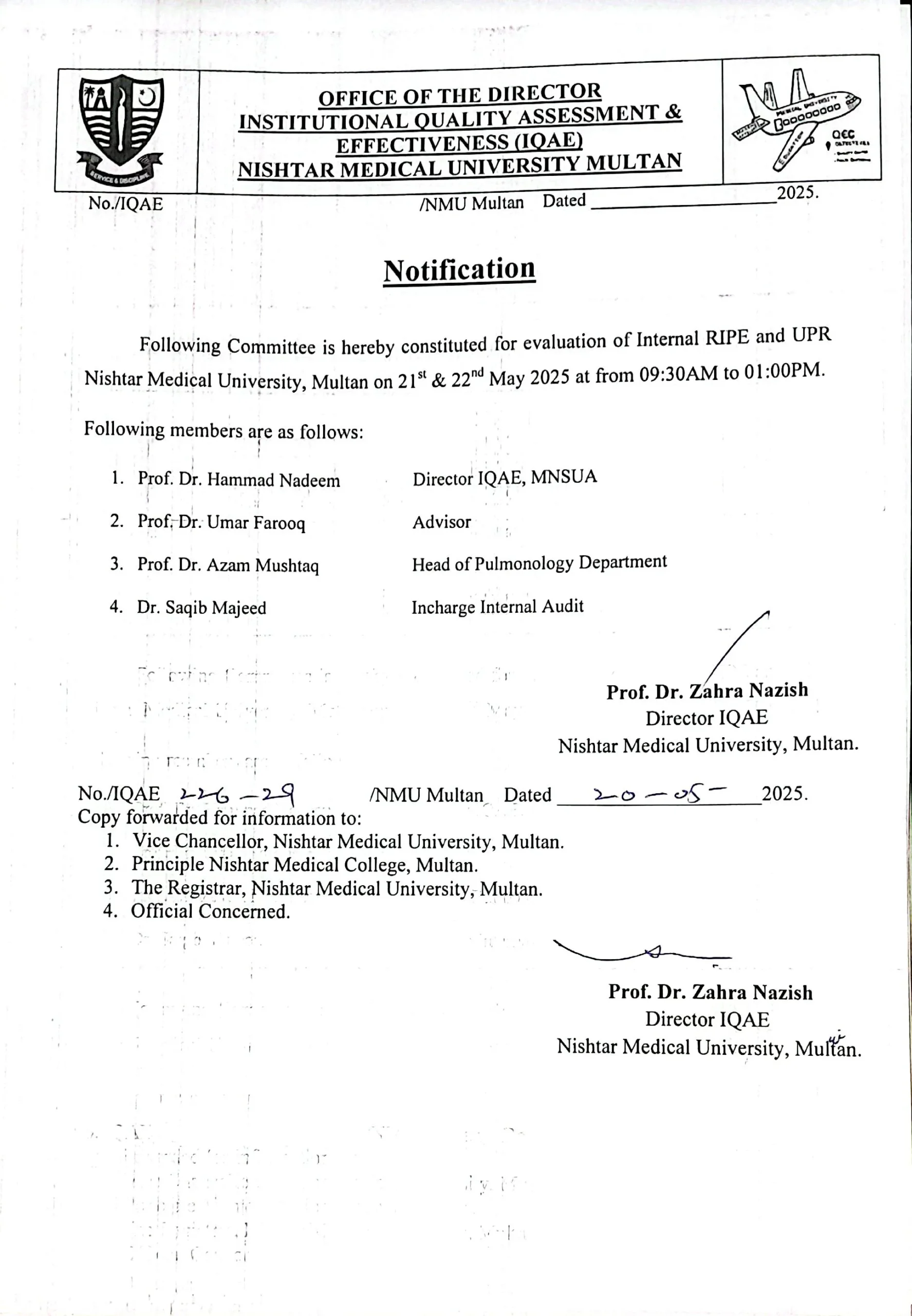
- Commitee of constituted for evaluation of international RIPE & UPR
- QEC Home
- Aboute QEC
- Organizational Structure
- Trainings and Workshops
- QEC Ranking
- NMU Annual Reports
- QA Mechanism Of HEC
- QEC Downloads
- Academic Program
- Academic Curriculum & Teams
- Assessment
- IQC
Patron In Chief
Prof. Dr. Mehnaz Khakwani
Vice Chancellor NMU
Director
Prof. Dr. Zahra Nazish
Email: directorqec@nmu.edu.pk
Deputy Director
Prof. Dr. Syed Ahmar Hussain
Email: dydirectorqec@nmu.edu.pk
Honorary Advisor
Prof. Dr. Umer Farooq Ahmed
Email: umerfarooq@nmu.edu.pk
About QEC
The Quality Enhancement Cell was established on 16th May, 2017 at the Nishtar Medical College on the directive of the Vice Chancellor, NMU has always endeavored to maintain a high quality in all the departments, both academic as well as administrative. Quality assurance is a process-driven approach with specific steps to define, measure, analyzed, improve and control to attain its goals and the whole process comprises of design, development, execution of services in education and health sectors. The goal is to ensure that excellence is inherent in every component of the process and QEC strives to accelerate the excellence in all areas by applying appropriate steps laid down in Quality Assurance procedures and standards at the right time and condition. According to Prof. Dr W. Edward Demming (The Quality guru) Quality Assurance cycle for continual improvement have the four steps: Plan, Do, Check, and Act ( PDCA) and most of Quality models ISO standards and HEC models for Quality Assurance etc. build upon these four steps.
QEC is the Quality Assurance Unit developed at NMU to put a focused attention on a Quality Assurance aspect of Higher Education. QEC is being operated by the NMU for execution of QA policies designed by the Quality Assurance Agency (QAA) of HEC with uniformity of pace and standards. This cell is also responsible to develop and implement the measures of Quality Assurance with promise of Quality Enhancement to meet International standards set by the NMU in QA framework & HEC criteria/standards as well and undertaking various assignments to create awareness, impart training and carry out various tasks for Quality Assurance in teaching and education.
QEC Aims
Quality Promotion: The development of a program of activities to institutionalize a quality culture in higher education and a commitment to continuous quality improvement
Capacity Development: The development and implementation of initiatives to build and strengthen the capacity for high quality provision at university, program and individual levels.
Faculty Assessment: Measurement of the expected outcome/performance from individual faculty member through standard internationally evaluated and tested procedures after having provided the requisite teaching and research infrastructure and facilities.
Departmental Reviews: Measurement of the performance of each Academic Department/Institute/Center through conducting annual review based on the standard parameters set for this purpose.
Accreditation: Regular assessment and review of the King Edward Medical University (NMU) in order to assure the quality of the teaching staff and the teaching and training provisions provided to the students.
QEC Functions
According to HEC guidelines, QEC functions are as follows:
1. The Quality Enhancement Cell (QEC) is to be headed by a Dean reporting directly to Vice Chancellor/Rector. He is to be the correspondent with the outside bodies.
2. QEC is responsible for promoting public confidence that the quality and standards of the award of degrees are enhanced and safeguarded.
3. QEC is responsible for the review of quality standards and the quality of teaching and learning in each subject area.
4. QEC is responsible for the review of academic affiliations with other institutions in terms of effective management of standards and quality of programs.
5. QEC is responsible for defining clear and explicit standards as points of reference to the reviews to be carried out. It should also help the employees to know as to what they could expect from candidates.
6. QEC is responsible to develop qualifications framework by setting out the attributes and abilities that can be expected from the holder of a qualification, i.e. Bachelors, Bachelor with Honors, Master’s, M. Phil., Doctoral.
7. QEC is responsible to develop program specifications. These are standard set of information clarifying what knowledge, understanding, skills and other attributes a student will have developed on successfully completing a specific program.
8. QEC is responsible to develop quality assurance processes and methods of evaluation to affirm that the quality of provision and the standard of awards are being maintained and to foster curriculum, subject and staff development, together with research and other scholarly activities.
9. QEC is responsible to ensure that the university’s quality assurance procedures are designed to fit in with the arrangements in place nationally for maintaining and improving the quality of Higher Education.
10. QEC is responsible to develop procedures for the following
- Submission of University Ranking Statistics to HEC
- Self Assessment Process and evaluation including program monitoring, faculty monitoring, and student’s perception
- Student feedback
- Employer feedback
- MS/M.Phil Review and Ph.D Review
- Institutional Review
Trainings & Worshops
Definition of Quality:
Quality can be defined as the means through which an institution can guarantee with confidence and certainty, that the standards of its educational provision are being maintained and enhanced.
- Quality assurance is used as common denomination for a variety of mechanisms intended to control, guarantee and promote quality in higher education institutions.
- It is a developmental aspect of higher education, and, therefore, will never be achieved in total.
- We often consider graduates as the end product/output of education. It is not about just the Output but about the Outcome of higher education institutions that matters in today’s market economy.
- The number of graduating students is the output, while the QUALITY of graduates is the OUTCOME, in other words, the competency of a graduate makes him/her useful to the society.
Quality Assurance is one of the following three pillars of education upon which the whole structure of Higher Education in Pakistan will be based.
- Access
- Quality
- Relevance
Increasing access to higher education without enhancing its quality and relevance to the needs of the country cannot be expected to achieve the goal of a knowledge based economy
- It is a common belief/perception that majority of the Pakistani universities do not meet the international standards of higher education
- We have to accept Quality assurance as a challenge, which cannot be met without enhancing the quality on sustainable basis
- Quality Assurance is an activity carried out at two levels i.e. External & Internal
- External Quality Assurance (also called as accreditation) is carried out by regulatory/professional bodies at the national level to ensure the minimum performance level of educational programmes and institutions, in this case the HEC.
- Internal Quality Assurance is an internal and integral part of the institution’s administration and management systems.
- It implements a set of policies, programmes and procedures set-up by an institution.
HEC Quality Measurement Tools
- FACULTY SATISFACTION LEVEL : As required by Higher Education Commission, All members of The Program Faculty will assess their respective Program according to following criteria. The Program Director will report the findings in the Annual Monitoring Report. (ANNEX-II)
- STUDENT SATISFACTION LEVEL: As required by Higher Education Commission of the students of the Program will give their feed back according to following criteria. The survey will be conducted each year. The Program Director will report the findings in the Annual Monitoring report (ANNEX-III)
- ALUMNI SATISFACTION LEVEL :As recommended by Higher Education Commission the purpose of this survey is to obtain alumni input on the quality of education and the level of preparation they had at Nishtar Medical University. The Program Director will conduct this survey and throughout the year and carry out analysis of the opinion received at the end of the year and include in the Annual Monitoring Report. (ANNEX-IV)
QEC Processes:
The academic standards are developed and arranged as predetermined and explicit levels of achievements that must be reached by the students, the learning facilities and environment must be arranged by the institution and the procedures must be administrated efficiently and effectively by different persons and bodies in the university.
The Quality Assurance is therefore carried out in three (03) cycles.
- Monitoring:Continues monitoring of the Program by the Program Director, resulting in Annual Monitoring Report. The monitoring report is based upon the report of the program director regarding experience of running the program, the problems that were encountered and the problems which could not be solved. This is carried out every year. The assessment of each resident is carried out by evaluating the residents at 360 degrees in the light of the Portfolio given at 1.3. To assess the students and residents of the clinical programs according to the six (6) elements of the portfolio at 360 degrees, opinions are also obtained from the patients, peers, nurses, paramedics and others who are related to the program. This is the internal evaluation of the student/resident by the Program Faculty as coordinated by the Program Director that decision is made for granting progression to the next year.
- Internal Review:This is a Peer Review and is conducted by a Peer Review Committee constituted by the University comprising of two (02) teachers of the same specialty of the program, who are not members of the Program Faculty Committee these members may be preferably from outside the University if available. The Program Director will assist the Peer review Committee to carry out the review.The cycle 2 is carried out every three (03) years.
- External Review:Accreditation or External Review The quality review is carried out by external reviews appointed by a Non Governmental Accreditation Body, Board or Council which do not run, manage or administer any such/similar program. This cycle will be repeated every five (05) years, and the university makes all Accreditation reports available to the public. KEMU will be prepared its Monitoring Reports and Internal Review Reports of each Program to offer them to the External Review to obtain the Accreditation.
Silent Features
Silent Features
National / International Recognitions:
- World Health Organization (WHO)
- Recognized by all leading Medical Universities of USA and United Kingdom
- Pakistan Medical & Dental Council (PMDC)
- Higher Education Commission (HEC)
- Pakistan Medical Research Council (PMRC)
Collaboration With International Universities:
Affiliated Institutes/Schools/Centers:
- College of Nursing
- Allied Health College
- Nishtar Medical College
- Nishtar Institute of Dentistory
- Pak Italian burn center
- Pharmacy college
Attached Hospitals:
- Nishtar Hospital
- Nishtar hospital II
Faculties:
- Faculty of Basic Sciences
- Faculty of Medicine & Allied Specialties
- Faculty of Surgery & Allied Specialties
- Faculty of Nursing
- Faculty of Allied Health Sciences
- Faculty of Dentistry
- Faculty Of Pharmacy
- Faclty of Physioherapy
Faculty Of Basic Sciences:
- Anatomy
- Physiology
- Biochemistry
- Pathology
- Community Medicine
- Pharmacology
- Forensic Medicine
Faculty Of Medicine & Allied Specialities:
- Medical Unit I
- Medical Unit II
- Medical Unit III
- Medical Unit IV
- Cardiology
- Pulmonology T(.B. & Chest Medicine)
- Dermatology
- Neurology
- Paediatrics Medicine Unit-I
- Paediatrics Medicine Unit-II
- Psychiatry
- Oncology Department (Radiotherapy)
- Nephrology
- Endocronology
- Gastroentrology
Faculty Of Surgery & Allied Specialities:
- Surgical Ward I
- Surgical Ward II
- Surgical Ward III
- Surgical Ward IV
- Thoracic Surgery Ward
- E.N.T
- Orthopedic Surgery, Unit-I
- Orthopedic Surgery, Unit-II
- Anesthesia
- ICU & Pain Management
- Urology Unit
- Ophthalmology
- Obst. & Gynae Unit-I
- Obst. & Gynae Unit-II
- Obst. & Gynae Unit-III
- Neurosurgery
- NTU (Neuro Trama Unit)
- Paediatrics Surgery
- Plastic Surgery
- Oral &Maxillofacial Surgery
Faculty Of Allied Health Sciences:
- Allied Health Sciences
- Physiotherapy
Various UG/PG/Diplomas Programs Offered By NMU:
Undergraduate Programs:
- MBBS
- B.S. Programes
- B.S. (Orthotics & Prosthetics)
- B.S. (Medical Laboratory)
- B.S. (Anesthesia Technology)
- B.S. (Renal Dialysis Technology)
- B.S. (Dental Technology)
- B.S. (Radiotherapy)
- B.S. (Medical Imaging Technology)
- B.S. (Optometry & Opthoptics)
Postgraduate Programs
MD Programs:
- MD (Internal Medicine)
- MD (Pediatric Medicine)
- MD (Preventive Medicine)
- MD (Diagnostic Radiology)
- MD (Dermatology)
- MD (Clinical Oncology)
- MD (Cardiology)
- MD (Psychiatry)
- MD (Family Medicine)
- MD (Neurology)
- MD (Gastroenterology)
MS Programs:
- MS (General Surgery)
- MS (Obs. & Gynae)
- MS (Ophthalmology)
- MS (ENT)
- MS (Anesthesia)
- MS (Urology)
- MS (Paediatric Surgery)
- MS (Orthopaedic Surgery)
- MS (Plastic Surgery)
- MS (Cardiac Surgery)
- MS (Neurosurgery)
- MS (Thoracic Surgery)
Diplomas:
| 1. Anesthesiology (DA) | 2. Cardiology (DIP CARD) |
| 3. Dermatology (DIP DERM) | 4. ENT (DLO) |
| 5. Ophthalmology (DOMS) | 6. Medical Jurisprudence (DMJ) |
| 7. Gyne/ Obs (DGO) | 8. Child Health (DCH) |
| 9. Psychiatry (DPM) | 10. Medical Radiology (DMRD) |
| 11. Orthopedic (DOS) | 12. TB & Chest Medicine (DTC) |
| 13. Family Medicine (DFM) | 14. Public Health & Preventive Medicine ( DPH) |
| 15. Preventive Medicine (DPH) | 16. Preventive Pediatrics (DCCH) |
| 17. Clinical Neurology (DCN) | 18. Clinical Oncology (DCO) |
| 19. Pathology (DCP) | 20. Pediatric Surgery (DPD) |
| 21. Urology (DU) | 22. Oral & Maxillofacial Surgery (DMFS) |
2nd Fellowship Programs:
- Fellowship in Vitreoretina
- Fellowship in Paediatric Ophthalmology
- Fellowship in Movement Disorders
- Fellowship in Pediatric Nephrology
- Fellowship in Child and Adolescent Psychiatry
- Fellowship in Oculoplasty
Current Enrollment  Undergraduate Programs:
| Discipline | No. of Programs | No. of Students |
| MBBS (05 Years) | 01 | 1628 |
Allied Health Sciences
| 12 | 383 |
Vision Sciences (04 Years)
| 03 | 240 |
Current Enrolment  Postgraduate Programs:
| Discipline | No. of Programs | No. of Students |
FELLOWSHIP NMU 1. Vitreoretina | 03 | 14 |
| MD/MS/MDS | 26 | 359 |
| FCPS | 30 | 531 |
| Diploma | 55 |
No. Of Graduates:
| Discipline | No. of Students |
| MBBS (05 Years) | 16672 |
Allied Health Sciences
| 558 |
| 466 | |
FELLOWSHIP 1. Vitreoretina 2. Paeds | 19 |
MD/ MS / MDS | 225 |
| Diploma | 93 |
Research At NMU:
Nishtar Medical University also has its official Journal (jnmu.com.pk) which is published quarterly. As a multi-disciplinary journal published by the most renowned and oldest medical institute of Pakistan, Annals of NMU publishes the most relevant original research articles that form the foundations of tomorrow’s medicine in Pakistan and around the globe.
A brief portfolio of Annals of NMU, is as follows:
HEC category Y Journal;
International Audience
Blind External Peer Review Policy
50% Editorial Board and reviewers are from technologically advanced countries
Master Journal List by Clarivate Analytics
Has a Dynamic and up-to-date Website with all the original Full-Text Articles
Visibility / accessibility in more than 150 countries in Spatiotemporal distribution
496 Cites per author
Annals Of NMU Is Indexed On:
- Pakistan Medical and Dental Council
- Higher Education Commission (Category Y)
- Master Journal List Clarivate Analytics
- Pak MediNet
- EMRO Indexus Medicus of WHO
- Directory of Open Access Journal (DOAJ)
- ICMJE Database
- PKP Harvester Database
- CrossRef
- Google Scholar
- Open J Gate Database
- Index Copernicus
| Number of students who benefited from the university endowment fund during 2017 | 30 |
| Number of Impact factor Research Papers published during 2016-2017 | 23 |
| Number of international / local research conferences organized / held by the University during 2017 | 85 |
- Institutional Quality Circle Constitution
- Meeting Notice Breifing on the roll of IQC
- Meeting Notice Crafting Mission and Objective of your department
- Meeting Notice of Institutional Quality Circle
- Meeting Notice of Institutional Quality Circle 11-12-2025
- Workshop on PREE
- Commitee of constituted for evaluation of international RIPE & UPR