Endocrinology
Clinical Departments
- Deen Message
- Medical Unit I
- Medical Unit II
- Medical Unit III
- Medical Unit IV
- Anesthesia Department
- ICU & Pain Management
- COVID-19 /Isolation Ward
- Cardiology Department
- Dermatology Department
- Gastroenterology
- Nephrology Department
- Neurology Department
- Oncology/Cancer Department
- Pulmonology
- Endocronology
Endocrinology
INTRODUCTION
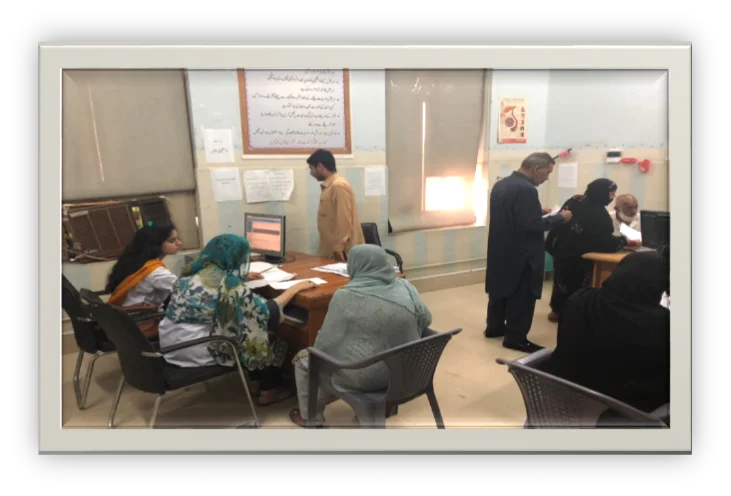
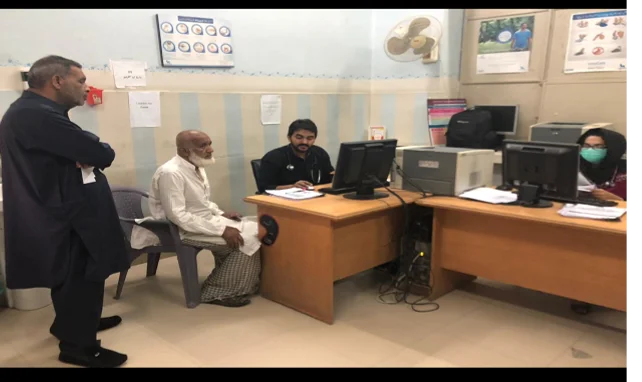
A dedicated DIABETES OPD CLINIC was established in September 2005 along side medical OPD
Fully computerized and offering patient counseling
Journey of DIABETES SERVICES IN NMU
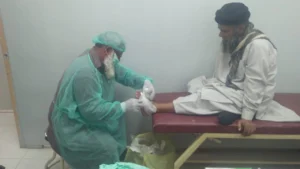
DIABETES FOOT- CARE CLINIC established with the help of WDF – 2010
RETINAL CAMERA installed – 2014 with FRED HOLLOWS
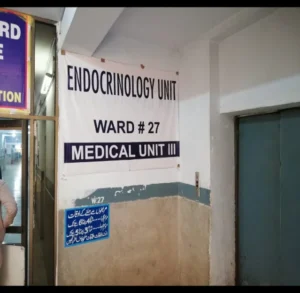
ENDOCRINOLOGY AND DIABETES WARD allocated and functional since 2016

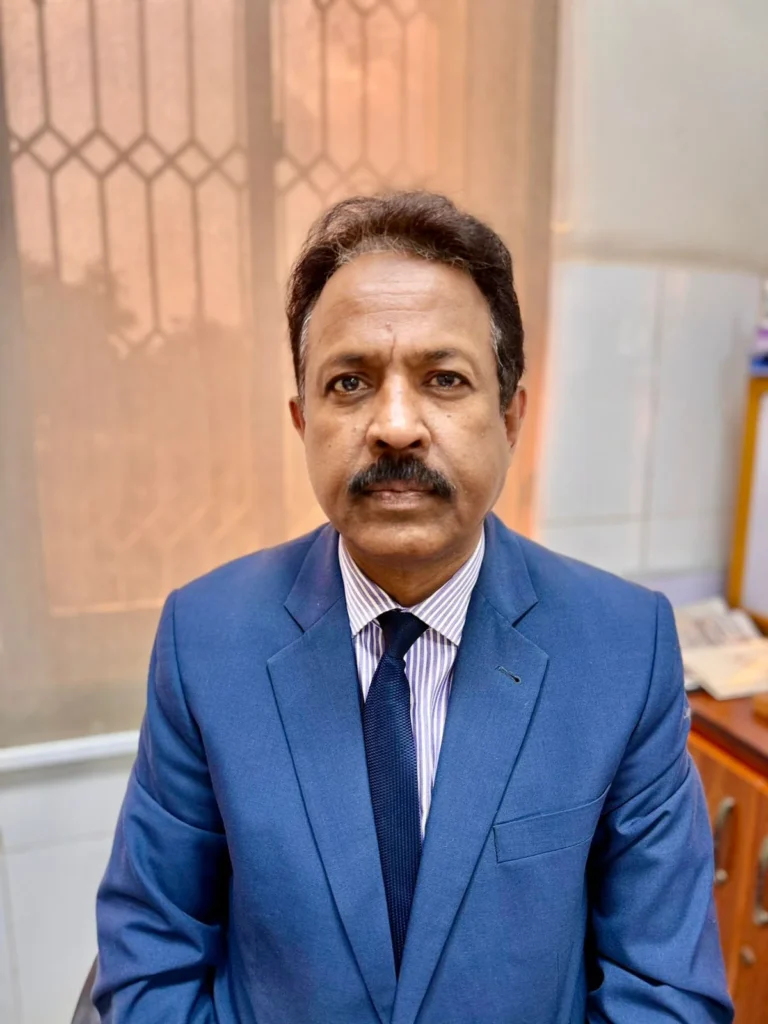
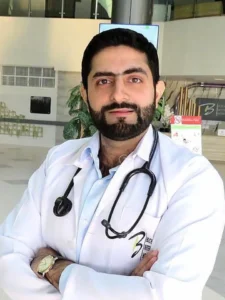
Prof Dr Muhammad Zafar Iqbal
Head of Department
Mission Statement
To provide comprehensive, evidence-based and compassionate care for patients with endocrine and metabolic disorders through excellence in clinical services, post graduate training, research and community engagement.
Faculty
- Head of department:
Prof Dr Muhammad Zafar Iqbal
- Associate Professor:
Dr Shahzad Alam Khan

- Assistant Professor:
Dr Amjad Sheikh
- Senior Registrar:
Dr Mehboob Qadir
Consultant Endocrinologist
FCPS Endocrinology, FCPS MEDICINE
MRCP-SCE ENDOCRINOLOGY
EBEEDM Endocrinology
CHPE

- Admin Registrar:
Dr Salahudin Mahmood
MBBS, MD(USA), MCPS Medicine, MD Medicine, MRCP(UK), MS Public Health, CHPE, SCE Endocrinology and Diabetes (UK), Fellowship in MD Endocrinology

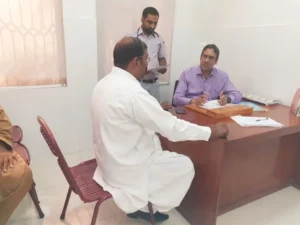
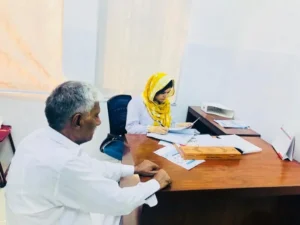
Diabetes OPD Clinic

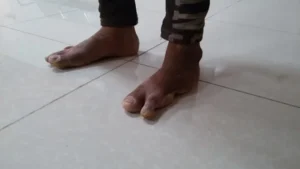
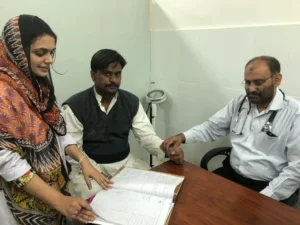
Diabetes foot care clinic

Endocrinology Ward Allocated in 2016

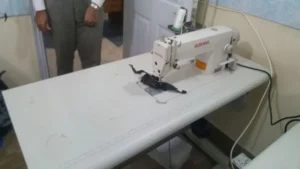
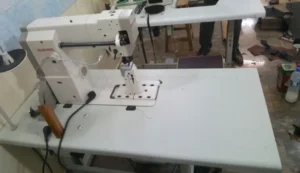
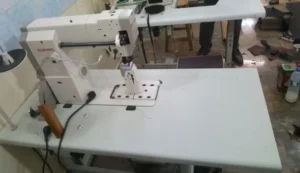
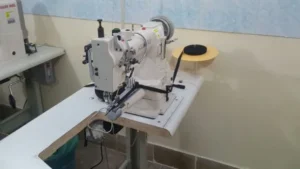
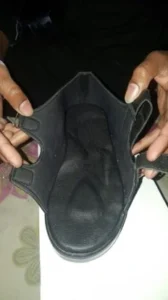
DIABETIC FOOT-WEAR WORKSHOP Machines donated by WDF


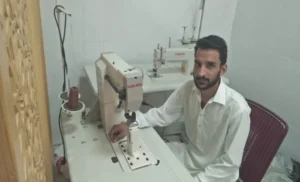
SHOE MAKER trained on special machines


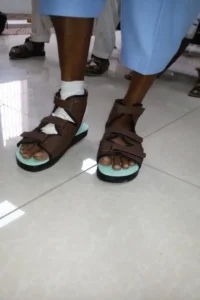
Foot wear made in our workshop


Specialized foot wear


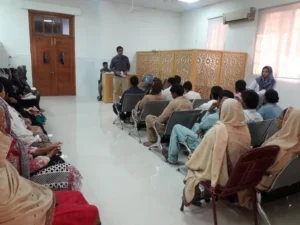
DIABETES EDUCATION
Group sessions


Psychological assessment for Diabetes Distress and counseling clinic


Thyroid clinic
established in 2017

Obesity clinic
established in 2018

GDM clinic — 2018
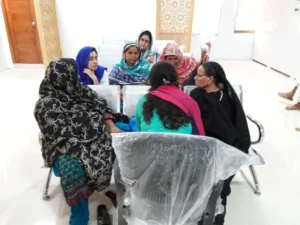
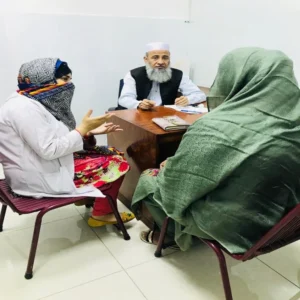
Counseling session with a patient

Research Activity on National level
- NATIONAL DIABETES SURVEY (NDS) done with Pakistan Health Research Council(PHRC) Ministry of Health – 2016-2017; results announced and published in July 2018
- DROP 1 (DIABETES REGISTARY OF TYPE 1 PATIENTS)
RECOGNITION OF OUR CENTRE FOR FCPS ENDOCRINOLOGY TRAINING – 2018
- First recognized Centre in South of Punjab
- Accreditation by CPSP for full level 4 training
- Four endocrine fellows were inducted for training in two sessions in 2019. One fellow was inducted in 2021 = 5 fellows
- Dr. Muhammad Asif, extremely hard working and very sincere doctor, embraced Shahadat during covid-19 pandemic.
DIABETES SERVICES IN NMU
- MD Endocrinology program will be commenced soon by the kind efforts of worthy Vice Chancellor NMU.
Daily OPD Services
- Group sessions of DSME
- Psychological counseling
- Obesity clinic
- Thyroid and endocrines clinic
- GDM clinic
DATA of DIABETES OPD till December 2025
- Registered Diabetes Patients = 39928 (type1,type2,type2-IDDM)
- Foot treatment = 19179
- Foot risk assessment = 9132
- Eyes screening = 28008
- Diabetes education =13326
- Psychological counseling = 2811
- Specialized Shoes made = 7636 pairs
Postgraduate Programme (FCPS Endocrinology & MD Endocrinology) –Department of Endocrinology Nishter Medical University Multan
Mission Statement
To train competent, ethical, and compassionate physicians through evidence-based education, patient-centered care, clinical research, and lifelong learning—serving the healthcare needs of our society and advancing the standards of medicine in Pakistan.
Programme Learning Objectives (PLOs)
1. Clinical Competence:
To equip postgraduate trainees with advanced medical knowledge, diagnostic and practical skills in endocrinology for independent and safe patient care.
2. Professionalism and Ethics:
To exhibit empathy and ethical behaviour in academics, clinical practice and research.
3. Research and innovation:
To promote a culture of research, innovation, and critical thinking relevant to local and global health challenges.
4. Teaching and Leadership:
To develop teaching skills and leadership qualities to prepare future mentors, and healthcare leaders.
5. Communication and Teamwork:
To strengthen communication skills for effective interaction with patients, families, and multidisciplinary teams.
6. Continuous Professional Development:
To instill habits of self-assessment and lifelong learning for continuous improvement in medical knowledge and practice.
Strategic Plans (Over 4 Years)
1. Strengthen Clinical Training
Conduct regular grand rounds for case based learning.
Assign emergency and outpatient duties to increase exposure to acute and out patient cases.
Implement structured subspecialty rotations with clearly defined learning objectives.
Time frame: 4 years
Responsibility: Faculty
Resources: Human
Monitoring: Use of DOPS and Mini-CEX for formative assessment and feedback forms
2. Professionalism
Encourage trainees to learn ethics and professionalism by role modeling
Conduct annual workshops on professionalism
Time frame: 2 years
Responsibility: Faculty
Resources: Financial + Human resources
Monitoring: Use of DOPS and Mini-CEX for formative assessment and feedback
3. Research Capacity Building
Conduct research methodology workshops annually to enhance research skills.
Facilitate timely IRB approvals.
Encourage residents for publication in recognized journals and participate in national conferences.
Time frame: 2 years
Responsibility: Supervisor
Resources: Financial resources
Monitoring:
Number of workshops
Certificate of IRB-approved projects
publications and presentations logged
4. Academic Development
Arrange monthly topic presentations, journal clubs, CPCs to promote critical thinking.
Engage residents in teaching of undergraduates to develop teaching skills.
Hold mortality meetings and clinical audits monthly to improve clinical care and outcomes.
Time frame: 2 years
Responsibility: Supervisor and other faculty
Resources: Human + financial (classroom, multimedia)
Monitoring: Participation records; peer & student feedback; audit reports
5. Communication skills
Conduct communication skills workshop at least once during the training period
Encourage team work and collaboration among trainees
Time frame: 2 years
Responsibility: Faculty and Supervisor
Monitoring: Feedback forms; peer and faculty evaluation of teamwork & communication
Programme Outcomes (POs) After 2 years of completion of programme
Upon successful completion of the programme, the postgraduate trainee will be able to:
1. Diagnose and Manage:
Independently diagnose and manage a wide spectrum of endocrinological conditions with appropriate use of diagnostic tools and therapeutic interventions.
2. Demonstrate Professionalism:
Exhibit ethical and professional behaviour in clinical, academic, and research settings.
3. Conduct and Present Research:
Design, conduct, and defend clinical research with understanding of biostatistics and medical writing.
4. Teach and Train:
Deliver structured teaching sessions and bedside instructions to undergraduates and junior colleagues.
5. Communicate Effectively:
Communicate clearly and empathetically with patients, caregivers, and peers, respecting sociocultural sensitivities.
6. Engage in CPD:
Participate in continuous professional development (CPD) and quality improvement activities throughout their career.